Sunday, September 20, 2026
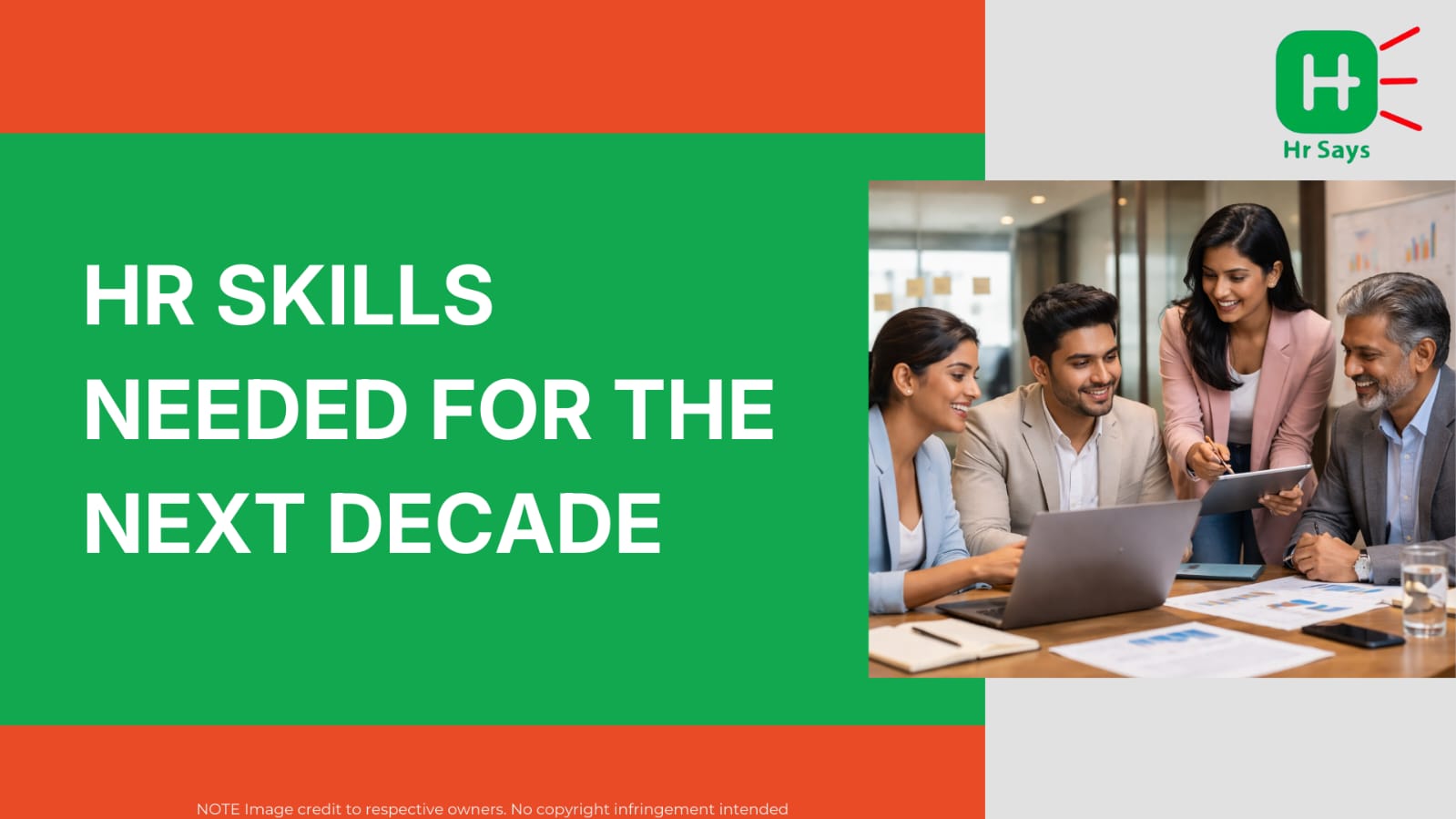
 HR in the next decade will be defined by strategic thinking, digital fluency, emotional intelligence, and ethical leadership. This shift positions HR as a core business function shaping resilient, people-centered organizations.




HR role is being reformed silently. There is a faster change in the work places than policies can keep pace. The HR is changing to become more focused on influence, judgment and foresight as technology, people expectations and business uncertainty are driving it out of a role of administration to influence.
Strategic Workforce Planning
The future labor force is in the process of being developed many years before the actual hiring starts. HR experts will be hired more to predict skills shortages, talent deficiency, and changing job descriptions. They will use long-term business goals and not short-term vacancies to make decisions.
Data-Led Talent Forecasting
Workforce analytics is being used to predict attrition, skill demand, and future capacity. HR metrics are no longer retrospective reports but decision-making tools.
● Use of people analytics platforms
● Scenario planning for hybrid and remote teams
● Alignment with business growth strategies
Digital And AI Fluency
Technology is not replacing HR, but it is redefining how work is managed. AI-driven recruitment tools, HR automation software, and digital employee platforms are becoming standard.
Human Judgment In Automated Systems
While tools are being adopted, ethical judgment remains critical. Bias, transparency, and fairness must be actively monitored.
● AI-powered recruitment and screening
● HRIS and cloud-based platforms
● Responsible use of automation
Emotional Intelligence And Empathy
As work becomes more digital, human connection is being valued more deeply. HR professionals are often positioned as the first point of emotional support within organizations.
People-Centric Leadership Support
Employee well-being, mental health, and psychological safety are no longer optional discussions.
● Conflict resolution and active listening
● Managing burnout and disengagement
● Building trust in uncertain environments
Change And Crisis Management
The next decade will not be stable. Organizational change is expected to be frequent. HR is often placed at the center of transitions, whether they involve restructuring, mergers, or cultural shifts.
Guiding People Through Uncertainty
Clear communication and calm decision-making are essential when clarity is limited.
● Change communication frameworks
● Crisis response planning
● Reskilling and redeployment strategies
DEI And Ethical Governance
Diversity, equity, and inclusion are being measured, questioned, and scrutinized more than ever. HR is expected to move beyond policy statements into accountable action.
From Compliance To Culture
Ethical HR practices influence employer branding and long-term retention.
● Inclusive hiring practices
● Pay equity analysis
● Ethical leadership advisory
Business And Financial Acumen
HR decisions are being evaluated for their financial impact. Understanding business models, cost structures, and productivity metrics is increasingly required.
HR As A Business Partner
People strategies are expected to support profitability, not just engagement.
● Workforce cost optimization
● ROI on learning and development
● Alignment with organizational KPIs
Continuous Learning And Adaptability
Static skill sets are becoming outdated quickly. HR professionals must model lifelong learning while enabling it across the organization.
Building A Learning Culture
Upskilling is being embedded into daily work rather than treated as an annual initiative.
● Learning experience platforms
● Microlearning and skill-based pathways
● Talent mobility frameworks
Conclusion
The HR role of the next decade is quieter but more influential. Success will depend on judgment, adaptability, and ethical clarity. Those who balance technology with humanity will shape workplaces that endure change without losing people.