Sunday, September 20, 2026
.jpeg)
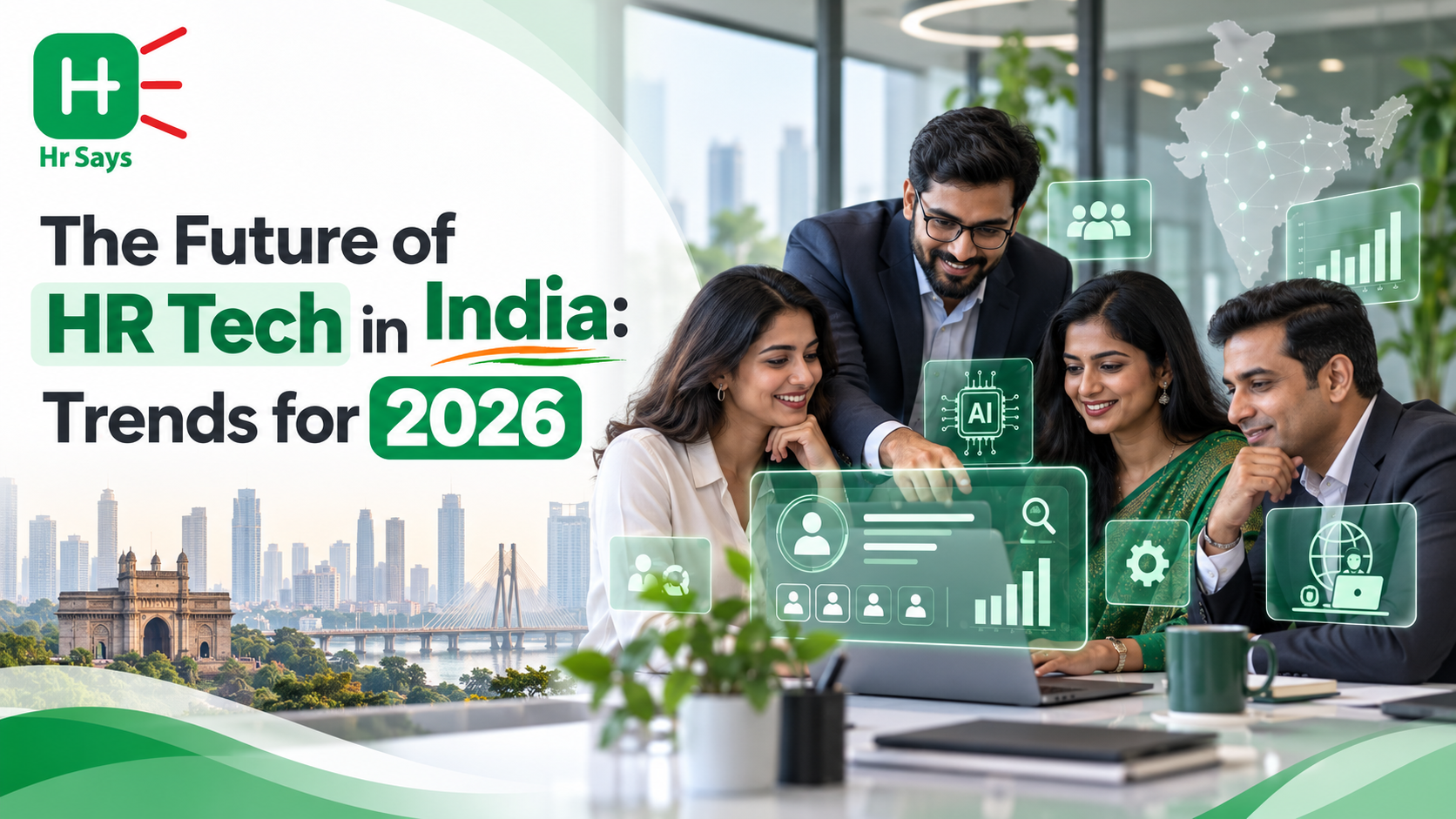
 Technology is transforming HR from an operational function into a strategic partner. Through
automation, analytics, and digital engagement tools, HR responsibilities are becoming more
data driven, people focused, and aligned with long term organizational growth.
Technology is transforming HR from an operational function into a strategic partner. Through
automation, analytics, and digital engagement tools, HR responsibilities are becoming more
data driven, people focused, and aligned with long term organizational growth.




The HR teams have been brought to the ground by technology in silence. What was data guided before is now paper work driven. Instead of being instinctive, decisions are informed. The roles of HR are being redefined even without grand calls but with a long-term consequence in organizations.
The Shift From Administrative To Strategic HR
Routine HR tasks were earlier centered on documentation, payroll, and attendance. These responsibilities are now handled through HR management software and cloud based platforms. Time is being freed. That time is increasingly being invested in workforce planning, employee engagement, and organizational culture.
The focus of routine HR activities in the past were on documentation, payroll and attendance. All these provisions are done in HR management computers and cloud applications. Time is being freed. It is spending more and more time planning its workforce, engaging its employees, and creating an organizational culture.
The strategic engagement is not an option anymore. HR professionals would be required to match business objectives with people strategies. This alignment is becoming measurable instead of assumed using workforce analytics, digital dashboards and predictive tools.
Recruitment In The Age Of Automation
Hiring decisions are being reshaped by technology driven recruitment tools. Applicant tracking systems, AI powered resume screening, and skill matching platforms are now widely adopted. Bias is being reduced, though not eliminated, through structured data based shortlisting.
Smarter Talent Acquisition
Recruitment funnels are being optimized through data.
● Candidate sourcing is automated across platforms
● Job descriptions are optimized for search visibility
● Time to hire is tracked and refined
A more informed hiring process is being created, where quality is emphasized over speed alone.
Learning And Development Goes Digital
Employee learning is no longer limited to classrooms or scheduled sessions. Digital learning platforms, microlearning tools, and AI driven skill assessments are reshaping training responsibilities.
Upskilling and reskilling have become continuous processes. Learning paths are being personalized. Progress is being tracked in real time. HR teams are expected to identify future skill gaps before they disrupt productivity.
Continuous Skill Building
Learning ecosystems now focus on flexibility.
● On demand courses replace static training
● Performance data informs learning needs
● Career development becomes more transparent
Growth is being positioned as an ongoing experience, not a yearly initiative.
Employee Experience And Engagement Technology
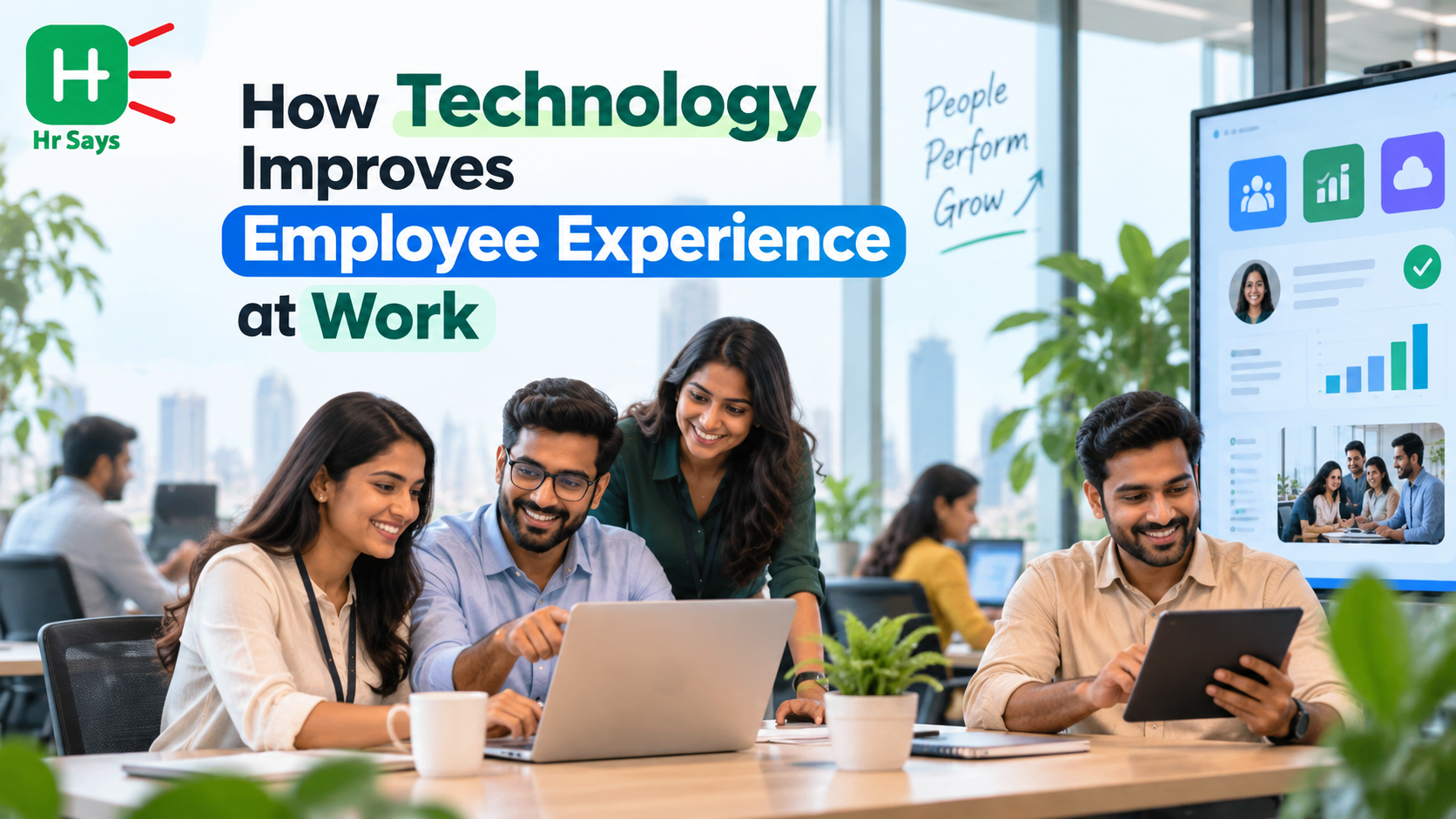
Employee experience has become a measurable responsibility. Engagement tools, pulse surveys, and feedback platforms are being used to understand sentiment across the employee lifecycle.
Remote work technologies have also reshaped HR oversight. Collaboration tools and digital wellness platforms are supporting distributed teams. Trust is being built through clarity rather than control.
Data Driven Engagement
Engagement is being monitored through patterns, not assumptions.
● Real time feedback highlights issues early
● Attrition risks are predicted through analytics
● Wellbeing initiatives are guided by usage data
Human connection is still central, but it is now supported by insight.
Compliance, Security, And Ethical Oversight
As HR systems become digital, data privacy and compliance responsibilities expand. Employee data security, ethical AI usage, and regulatory adherence are now shared priorities between HR and IT.
HR leaders are expected to understand technology risks while protecting employee trust. Governance has become part of people management.