Sunday, September 20, 2026
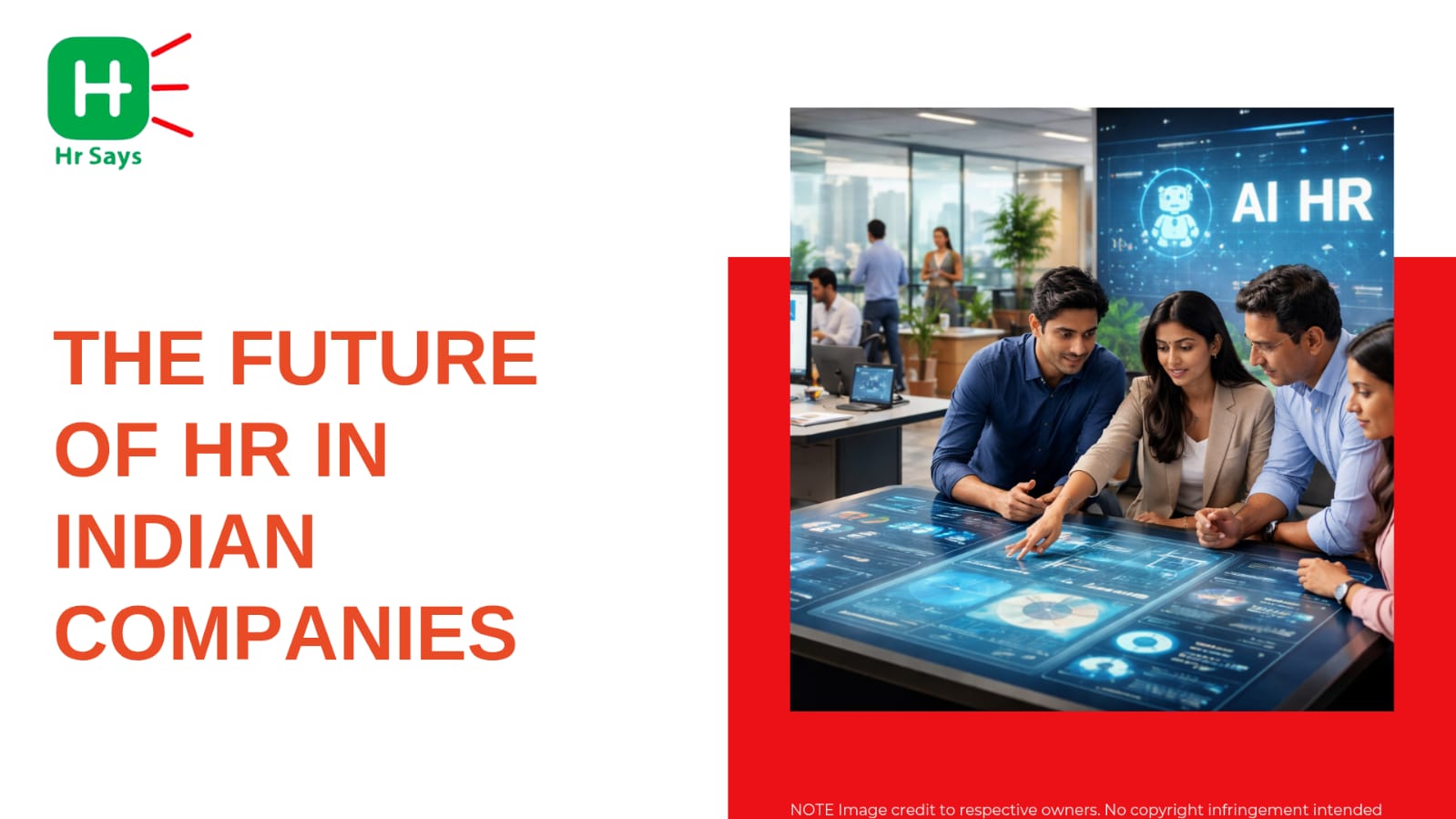
 The HR function in Indian companies is evolving into a strategic, tech-enabled, and people-focused role. This shift reflects changing workforce expectations, digital adoption, and the growing need for ethical, data-driven people management.




The HR role of the Indian firms is quietly getting transformed. It is no longer perceived as a support system on its own. Technology, demographics, and evolving work values are raising expectations, stretching roles, and defining the workforce itself is being redefined by the technology.
HR Moving From Administration To Strategy
HR had been linked to payroll, compliance and hiring over the years. The same perception is being watered down. In contemporary Indian organizations, HR is becoming part of the strategy table. The business growth, digital transformation, and long-term sustainability are also being connected with workforce planning.
It is not intuition that is making decisions. The leadership decisions are being supported by using talent analytics, attrition forecasting, and performance insights. Consequently, the HR leaders are now regarded as business partners and not process managers.
Technology And Automation In HR Operations
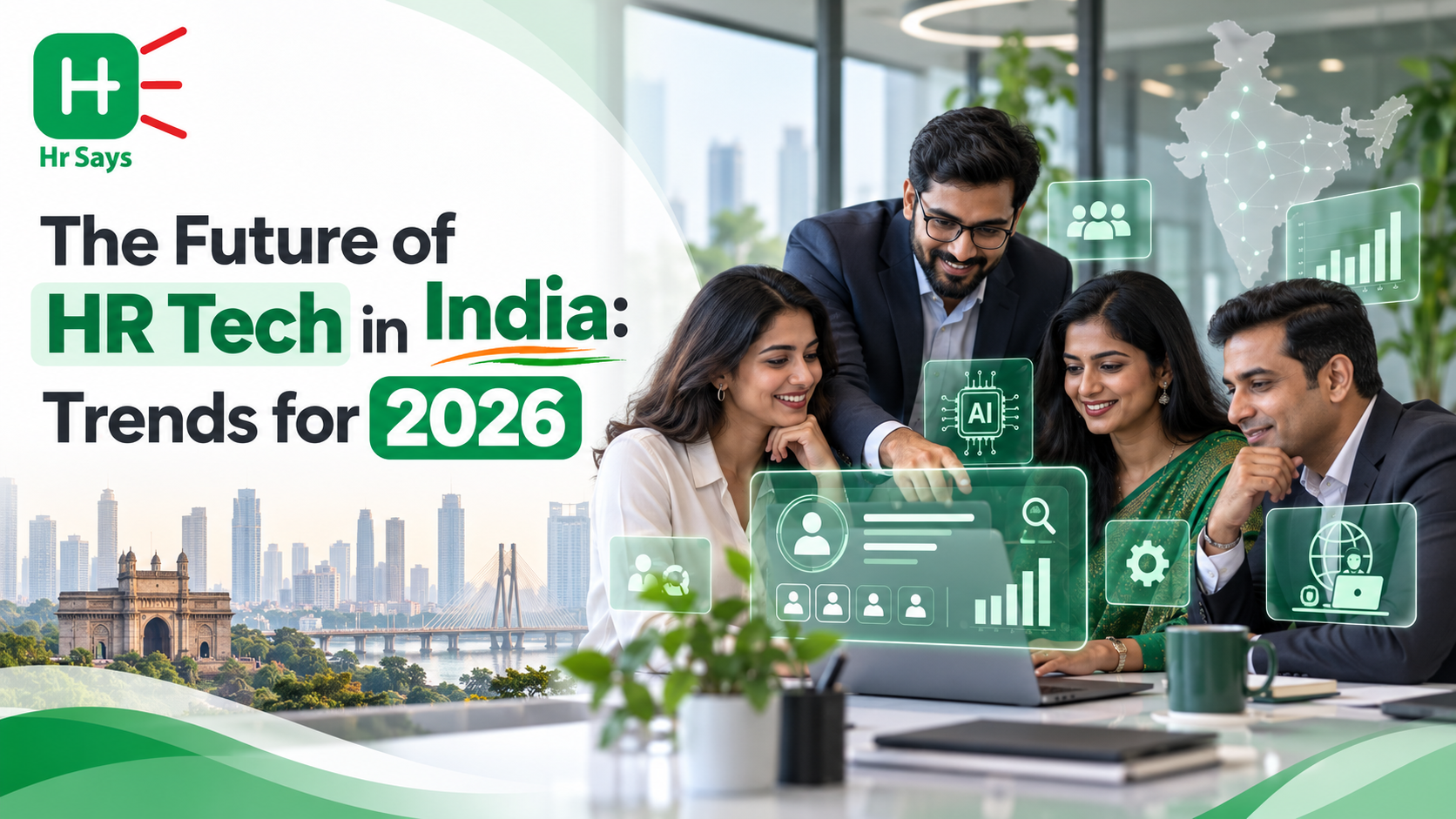
Digital HR transformation is no longer optional. Cloud-based HRMS platforms, AI-driven recruitment tools, and automated onboarding systems are being adopted across startups and large enterprises alike.
Key shifts being observed
● Resume screening is being handled through AI tools
● Employee queries are being resolved using HR chatbots
● Performance management is being supported by real-time dashboards
Efficiency is being improved, but the human element is still expected to remain intact. Technology is being used to reduce repetitive tasks, so that more focus can be placed on people-centric initiatives.
The Rise Of Skills-Based Hiring
Traditional degree-based hiring is being questioned. In its place, skills-based hiring is gaining ground. Indian companies are beginning to value practical skills, adaptability, and continuous learning over static qualifications.
Upskilling and reskilling programs are being prioritized. Internal mobility is being encouraged. Learning management systems and microlearning platforms are being integrated into daily work life, especially in IT, fintech, and digital marketing sectors.
Employee Experience Taking Center Stage
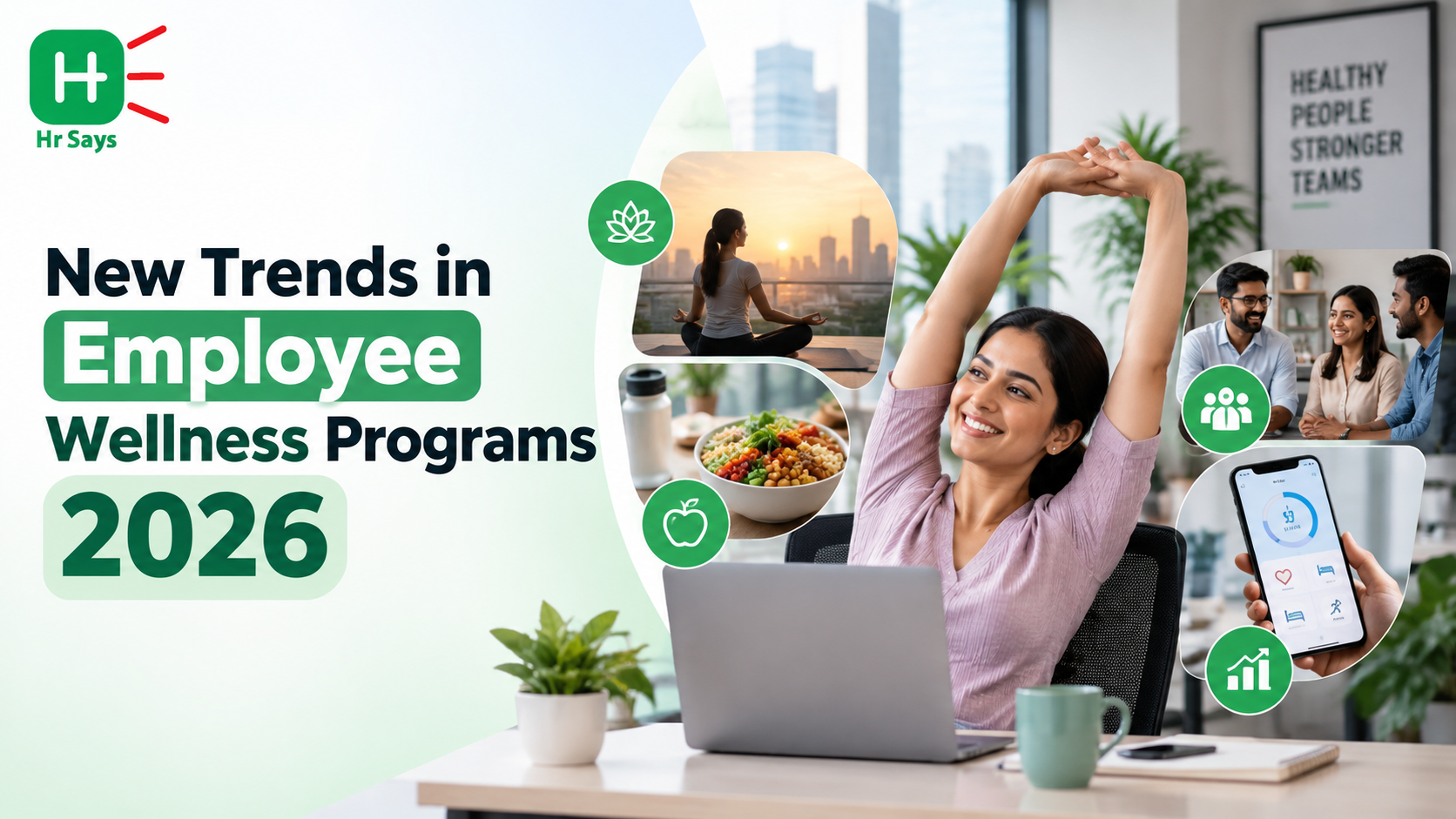
The concept of employee experience is being taken seriously. Hybrid work models, flexible hours, and mental health initiatives are no longer seen as perks. They are being treated as essentials.
Areas receiving increased attention
● Work life balance and burnout prevention
● Employee engagement and feedback loops
● Diversity, equity, and inclusion policies
Retention is being influenced more by culture and growth opportunities than compensation alone. Trust and transparency are being valued by the younger workforce entering Indian companies.
Compliance, Ethics, And Governance Still Matter
Despite rapid change, compliance remains critical. Indian labor laws, data privacy norms, and workplace safety regulations are becoming more complex. HR teams are being expected to balance agility with accountability.
Ethical hiring, fair performance evaluations, and responsible use of employee data are being closely observed. A misstep is now capable of damaging employer branding overnight.
The Future Skillset Of HR Professionals
HR professionals themselves are being asked to evolve. Knowledge of labor law is no longer sufficient. Data literacy, digital fluency, and stakeholder management skills are being demanded.
The future HR role is being shaped as a blend of analyst, counselor, and strategist. Adaptability is becoming the most valuable trait.
Conclusion
The future of HR in Indian companies is being defined by balance. Technology is being embraced, but empathy is still required. Strategy is being emphasized, but compliance cannot be ignored. HR is no longer behind the scenes. It is shaping the workplace itself.