 Saturday, October 24, 2026
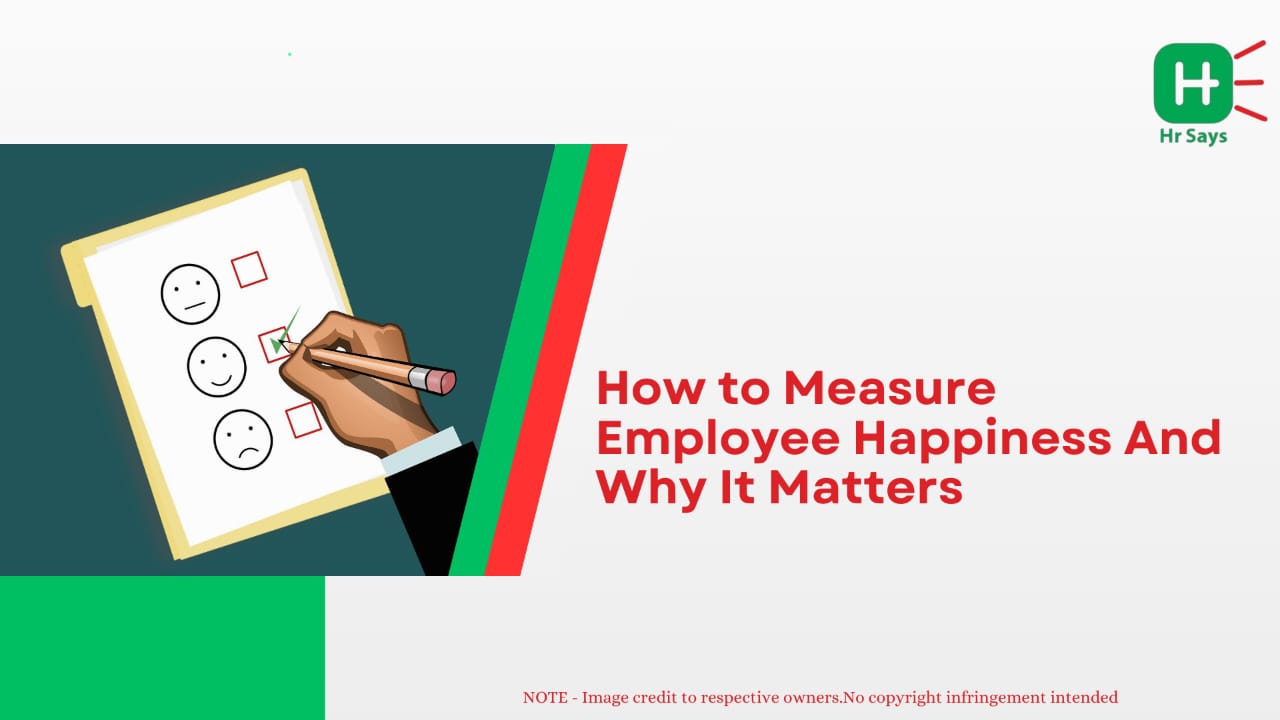
 Employee happiness influences productivity and culture. Reliable measurement through
surveys, conversations, and behavioural trends provides clarity. When leaders act on insights,
workplaces become healthier, balanced, and better aligned with evolving employee
expectations.
Employee happiness influences productivity and culture. Reliable measurement through
surveys, conversations, and behavioural trends provides clarity. When leaders act on insights,
workplaces become healthier, balanced, and better aligned with evolving employee
expectations.




Happiness in the workforce is more of a ghost that presents itself conspicuously in engagement, performance, and organizational culture. A mere change in the measurement of experiences will alter the way the organisations gain trust by supporting their people and creating a long-term relationship.
Why Employee Happiness Deserves Attention
The level of happiness of the employees can usually determine the pace and vibrancy of daily work. People become motivated when they are felt appreciated, honored, and encouraged. Workplace trends indicate that the workplaces with wellbeing tracking have increased retention, improved cooperation and reduced burnout cycles. It is not about perks anymore. It is concerned with meaningful experiences.
Ways to Measure Employee Happiness That Truly Work
Pulse Surveys and Real-Time Feedback
Short surveys capture quick sentiments. They help leaders notice changes early. These surveys usually measure clarity, workload, and manager support. Real-time feedback tools make the process continuous and more accurate.
One-on-One Conversations
Regular check-ins allow honest dialogue. Employees describe stress levels, expectations, and work preferences. These conversations uncover hidden concerns that data often misses.
Employee Net Promoter Score
This score shows how likely an employee is to recommend the organisation. It highlights loyalty and overall satisfaction. It is often used in trending HR analytics.
Workplace Behaviour and Participation
Observation still matters. Consistent participation in meetings, voluntary engagement in projects, and interactions with colleagues offer clues about general happiness. Behavioural data is widely used in modern performance tracking.
Signals That Employee Happiness May Be Low
Small signs often appear before larger issues arise. A slow drop in enthusiasm or quiet disengagement can indicate deeper concerns. Common signals include:
● Reduced collaboration
● Subtle resistance to change
● Lower idea sharing
● Delayed responses or slow task cycles
These patterns appear in organisations where wellbeing frameworks are weak or unclear.
Why Measuring Employee Happiness Helps the Organisation
Measuring happiness prevents assumptions. Data-driven insights help leaders act early. Clear patterns reveal which teams need support and which processes cause friction. Healthier cultures are built when solutions respond to real employee experiences. A simple measurement loop often leads to improvements in productivity, communication, and organisational trust.
How Leaders Can Use the Data Wisely
Identify Root Causes
Surface-level data is rarely enough. The real value emerges when patterns are reviewed over time. Leaders compare scores, feedback, and behavioural trends to identify recurring issues.
Create Actionable Plans
Clear steps are needed after insights are gathered. Workflows can be simplified. Role clarity can be improved. Stress triggers can be reduced. Employees notice these changes quickly.
Close the Feedback Loop
Employees must feel heard. Sharing outcomes encourages transparency. Improvements feel real when progress is communicated clearly and consistently.
Conclusion
Employee happiness can be measured with simple tools and careful observation. Workplaces that listen closely often build stronger engagement and genuine loyalty. When data guides decisions, organisations grow responsibly and sustainably.