 Sunday, September 20, 2026
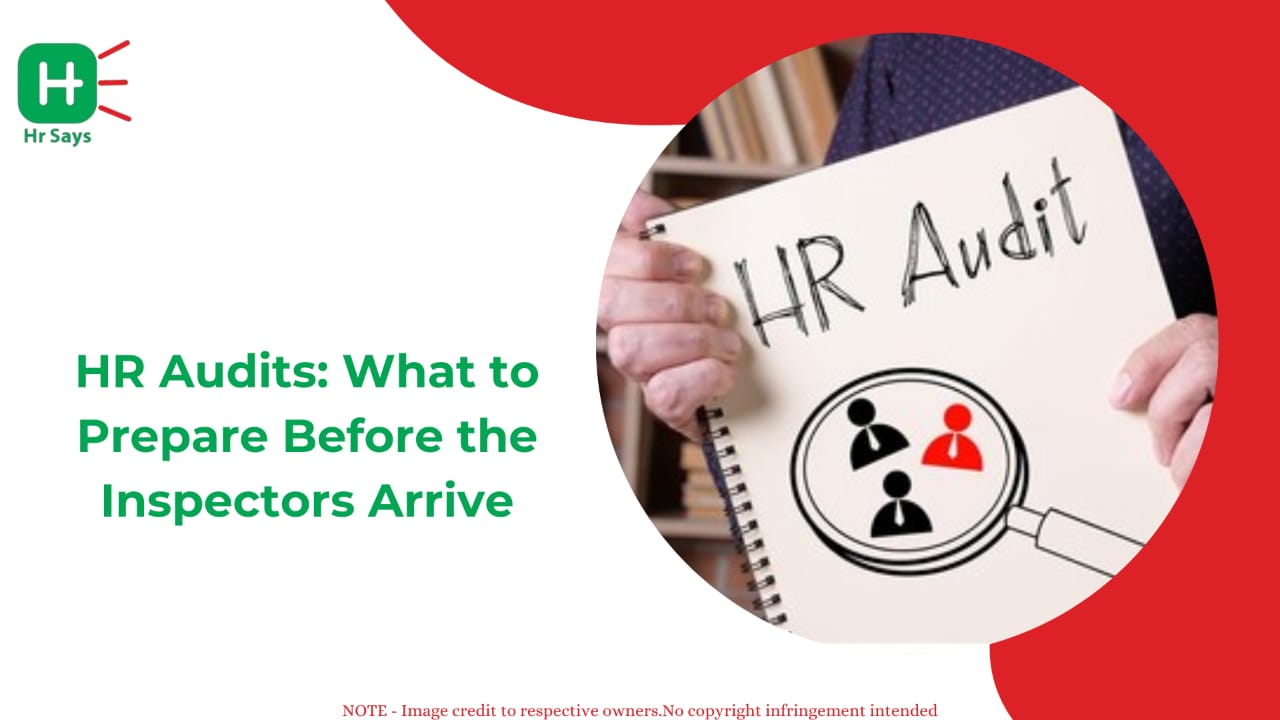
 A practical guide to HR audit readiness. Covers documentation, policy checks, internal controls, and team preparation. Helps organisations manage risk and maintain compliance during scheduled or surprise inspections.




Human Resources audits tend to come silently but determine the existence of security, compliance and certainty in particular organisations. There is normally a time limit allowed. Teams rush. Processes get exposed. This guide represents what should be prepared prior to the involvement of the inspectors.
Understanding What an HR Audit Covers
Audits examine the performance of HR systems. They point out areas of lapses concerning compliance, accuracy in payrolls, clarity of policies, safety at work, and record keeping. A good audit result implies maturity in organisations. A weak one signals risk. This emphasis is usually changed depending on industry players and regulatory changes.
Core Areas Reviewed
● Employee records
● Payroll documentation
● Attendance and leave management
● Hiring and onboarding files
● Workplace policies
● Safety and grievance logs
Why Preparation Matters
Early preparation reduces disruption. It also improves transparency. Inspectors expect quick access to verified information. Delays often create doubt. Readiness builds trust and confidence during review.
Organising Documentation Before Inspection
Most pressure during HR audits comes from documentation gaps. Organised files help establish a stable foundation. Teams must ensure accuracy of every available record. Trends show that digital HR systems now get prioritised due to efficiency and traceability.
Employee Files
Inspectors expect structured records. These often include identity documents, contracts, appraisal forms, and performance notes. Everything must match statutory rules. Any missing file becomes a red flag.
Payroll and Attendance
Salary slips, incentives, deductions, and time sheets must align with wage laws. Any mismatch triggers deeper inspection. Clean, verified payroll data reflects strong HR governance.
Strengthening Policies and Internal Controls
Policies form the backbone of audit readiness. They show how the organisation regulates work, manages complaints, and ensures employee safety. Updated policies also support trending compliance themes such as workplace transparency and ethical hiring.
Policy Review
Every rule must be current, documented, and accessible. Changes in labour regulation should be reflected immediately. Review teams often prepare short summaries to help inspectors move faster.
Internal Controls
Auditors check how issues get reported and resolved.
Key controls include:
● Defined grievance channels
● Clear leave approval workflows
● Updated safety protocols
● Monitoring systems for misconduct
Preparing Employees for the Audit
Teams often get confused when auditors ask questions. Informal briefings can help. Employees should understand the process. They should also know which documents exist, where they are stored, and who responds to queries.
Communication
Short internal messages can align teams. Clear instructions avoid panic. Departments then respond quickly and maintain consistent information.
Conclusion
HR audits reveal the health of an organisation. Preparation sets the tone. When documents stay organised and policies stay updated, the process becomes smoother. A ready team creates confidence and avoids unnecessary findings.