 Sunday, September 20, 2026
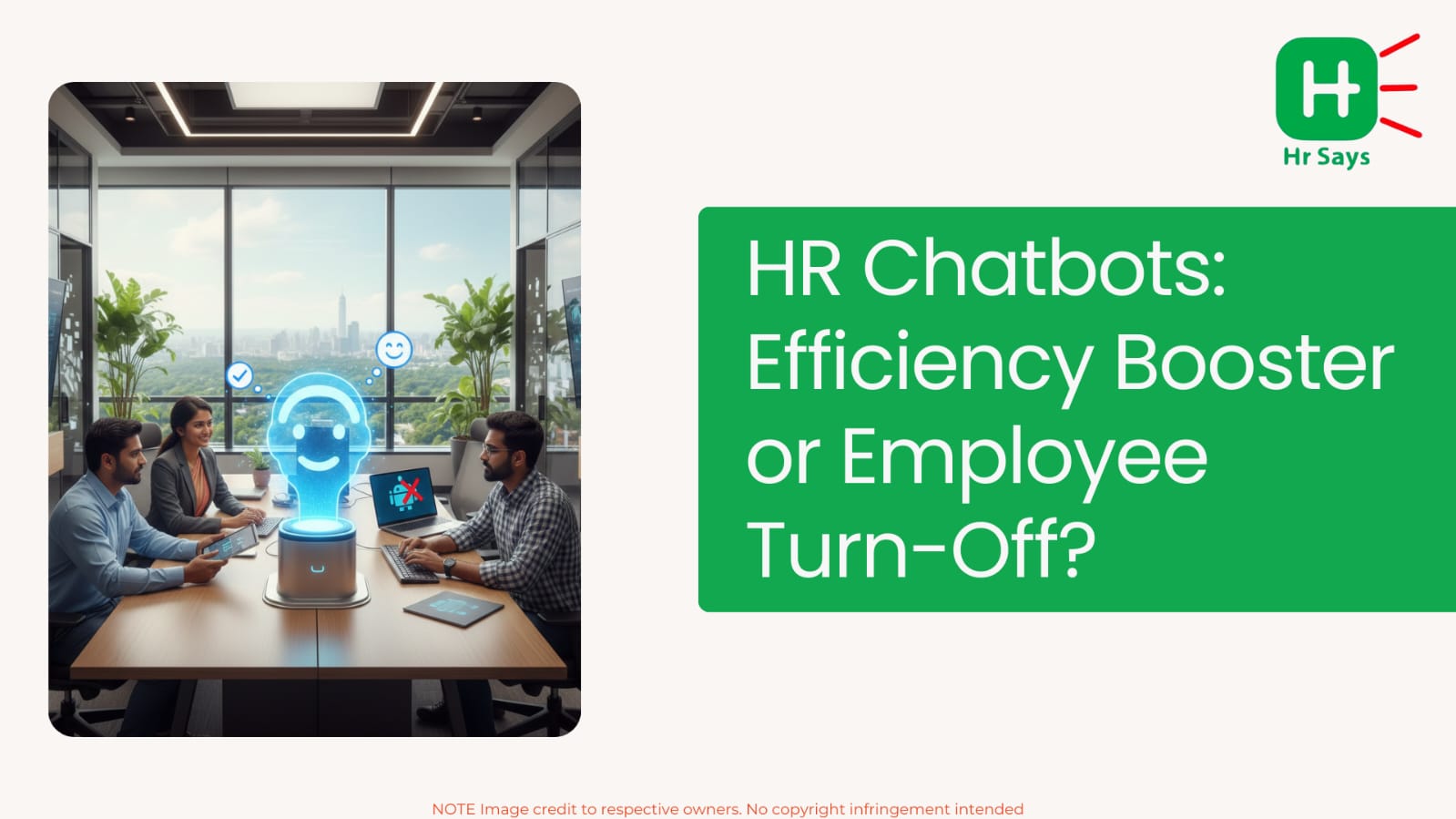
 HR chatbots offer speed, consistency, and operational relief. However, employee perception is
shaped by emotional context and accessibility to humans. Their success depends on balanced
use, clear boundaries, and trust-driven implementation.
HR chatbots offer speed, consistency, and operational relief. However, employee perception is
shaped by emotional context and accessibility to humans. Their success depends on balanced
use, clear boundaries, and trust-driven implementation.




HR chatbots have sneaked their way into the daily existence of the workplace. Whether it is about the balance of leaves or anything about policies, the answers are now provided within seconds. Less time is wasted, processes are made lighter, but what of the questions. Are people getting efficiency at the expense of human bonding?
Role of HR Chatbots in Modern Workplaces
HR chatbots will be integrated in digital HR transformation. Passive queries are processed automatically, and HR departments are allowed room to do not work on strategic matters. This change is deemed inevitable to organizations that are growing at high rate.
Common uses include:
● Payroll and leave-related queries
● Policy explanations and document access
● Onboarding guidance for new hires
● Basic employee engagement check-ins
Speed is valued here. Consistency is promised. But experience is shaped not only by answers, but by how those answers feel.
Efficiency Gains That Cannot Be Ignored
Operational efficiency is where HR chatbots perform best. Requests are resolved without delay, and dependency on HR personnel is reduced. For remote and hybrid teams, round-the-clock availability is especially appreciated.
Time and Cost Optimization
Large volumes of employee queries are filtered out. HR workloads are redistributed. Costs tied to manual support are gradually lowered.
Standardization of Responses
Policies are explained uniformly. Errors caused by miscommunication are limited. Compliance risks are quietly reduced in the background.
Efficiency, in this sense, is real. It is measurable. Yet efficiency alone does not define a healthy employee experience.
Where Employees Begin to Disconnect
A subtle resistance is often observed when chatbots replace conversations that were once human. Emotional intelligence is limited. Context is missed. Frustration builds when answers feel scripted.
Employees may feel:
● Concerns are being brushed aside
● Sensitive issues are not being understood
● Human access is intentionally restricted
For topics like mental health, conflict resolution, or career growth, automation can feel intrusive rather than helpful.
The Absence of Empathy
Chatbots respond correctly, but rarely compassionately. Tone is neutral by design. For some employees, that neutrality is interpreted as indifference.
Finding the Right Balance Between Tech and Trust
HR chatbots work best when positioned as support tools, not replacements. Clear boundaries are needed. Employees should know when human intervention is available and encouraged.
Best practices often include:
● Easy escalation to human HR representatives
● Transparent communication about chatbot limitations
● Regular feedback loops to refine chatbot behavior
Trust is built when technology feels optional, not imposed.
Conclusion:
Tool, Not a Culture Substitute HR chatbots are neither heroes nor villains. They are tools shaped by how they are deployed. When efficiency is balanced with empathy, acceptance is higher. When automation overrides understanding, disengagement quietly follows.