Monday, September 21, 2026
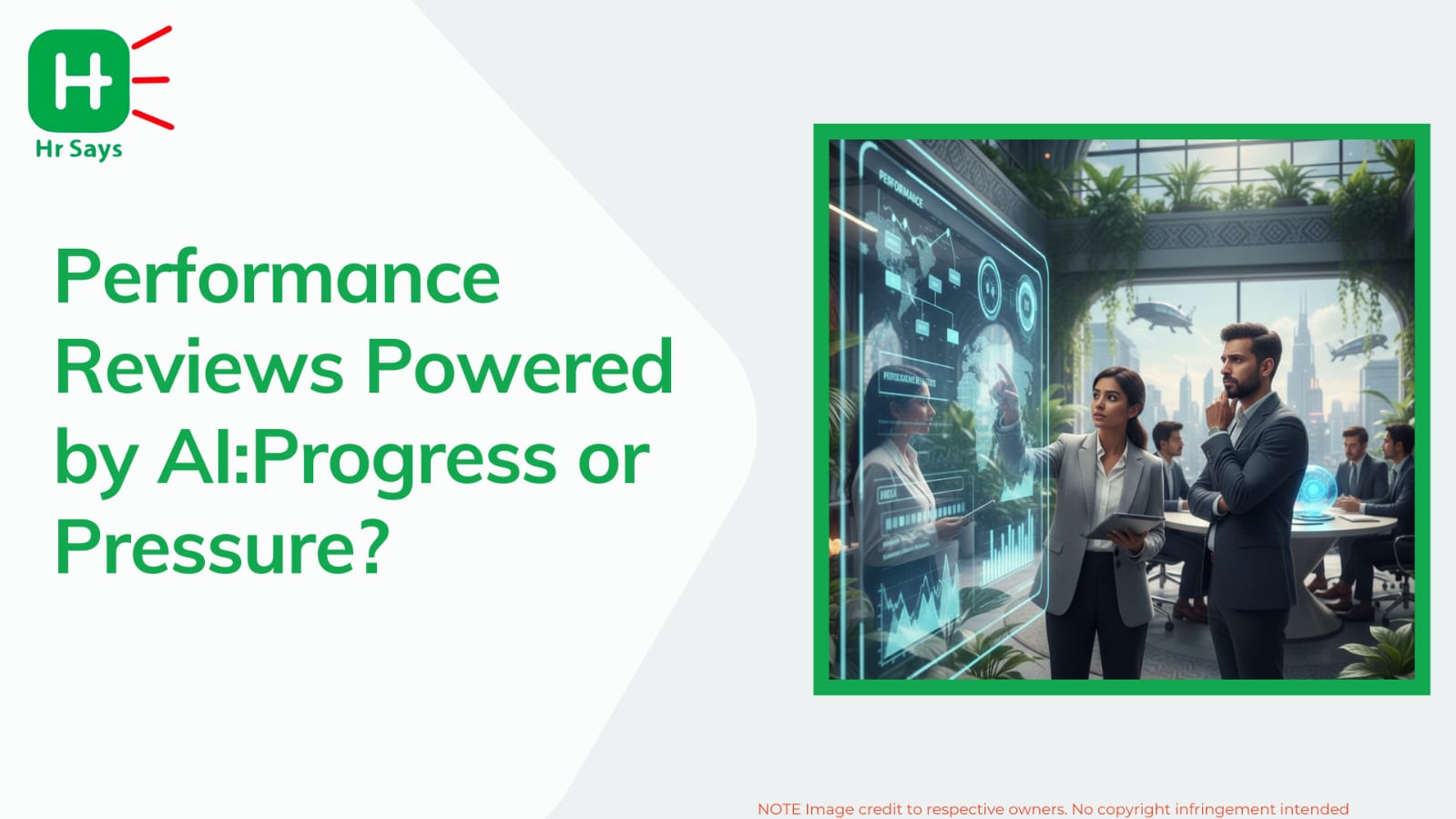
 AI-powered performance reviews promise efficiency and fairness, yet often introduce pressure
and visibility-related stress. This blog explores where value is created, where trust erodes, and
how balanced, transparent use can support both organizations and employees.
AI-powered performance reviews promise efficiency and fairness, yet often introduce pressure
and visibility-related stress. This blog explores where value is created, where trust erodes, and
how balanced, transparent use can support both organizations and employees.




Performance reviews have never been light things. The weight is now being redistributed with AI being introduced into the process. Algorithms, dashboards, and data trails are influencing the decisions. The assurance of fairness is nice to hear but there exists a silent pressure that is being felt throughout the contemporary work places.
The Shift From Human Judgement to Machine Insight
Artificial intelligence-based performance reviews are being used, fast adoption regards the ecosystems of HR. The scoring, productivity and people analytics tools are replacing manual evaluations. Trends are already being drawn and trends, actions are being gauged and forecasts are being made.
Instead of a discussion, it has become a computation. The gain of efficiency is obtained, though fine circumstances are occasionally lost. Not all contributions are visible to a system even in the cases when dashboards seem complete.
Why Organizations Are Choosing AI Reviews
The appeal of AI-driven performance management is understandable. Consistency is promised. Bias is said to be reduced. Large teams are easier to assess.
Common reasons for adoption include:
● Faster review cycles with less administrative effort
● Data-backed feedback instead of memory-based opinions
● Standardized benchmarks across roles and teams
● Integration with employee monitoring and productivity tools
For leadership teams, clarity is provided. For employees, clarity can feel conditional.
The Pressure Felt on the Ground
A different experience is often reported by employees. When every action is tracked, awareness is heightened. Work is not only done but observed. Metrics are watched closely, sometimes without full transparency.
Subtle pressures tend to surface:
● Creativity is reduced when risk feels measurable
● Workdays feel longer due to constant visibility
● Trust is questioned when monitoring feels excessive
Workplace stress is rarely created by AI itself. It is created by how AI is positioned. When feedback is delivered without explanation, pressure replaces progress.
The Question of Bias and Fairness
AI performance reviews are often marketed as unbiased. In reality, systems learn from historical data. If past bias existed, it can be repeated quietly. Decisions may look objective, yet assumptions remain embedded.
Bias is not removed automatically. It is managed intentionally. Without human oversight, fairness can be misunderstood as neutrality.
Making AI Reviews Work for People
AI in performance management does not have to feel oppressive. When used thoughtfully, balance can be achieved. Feedback culture should not be replaced. It should be supported.
Healthier practices include:
● Clear communication about what is tracked and why
● Regular human-led review conversations
● Flexibility for context and exceptions
● Shared ownership of performance data
When transparency is prioritized, trust is built. When humans remain involved, meaning is preserved.
Conclusion
AI-powered performance reviews sit at a crossroads. Progress is possible, but pressure is also real. The outcome is shaped less by technology and more by intent. When empathy guides implementation, AI becomes a tool. When control leads, it becomes a burden.