 Saturday, October 24, 2026
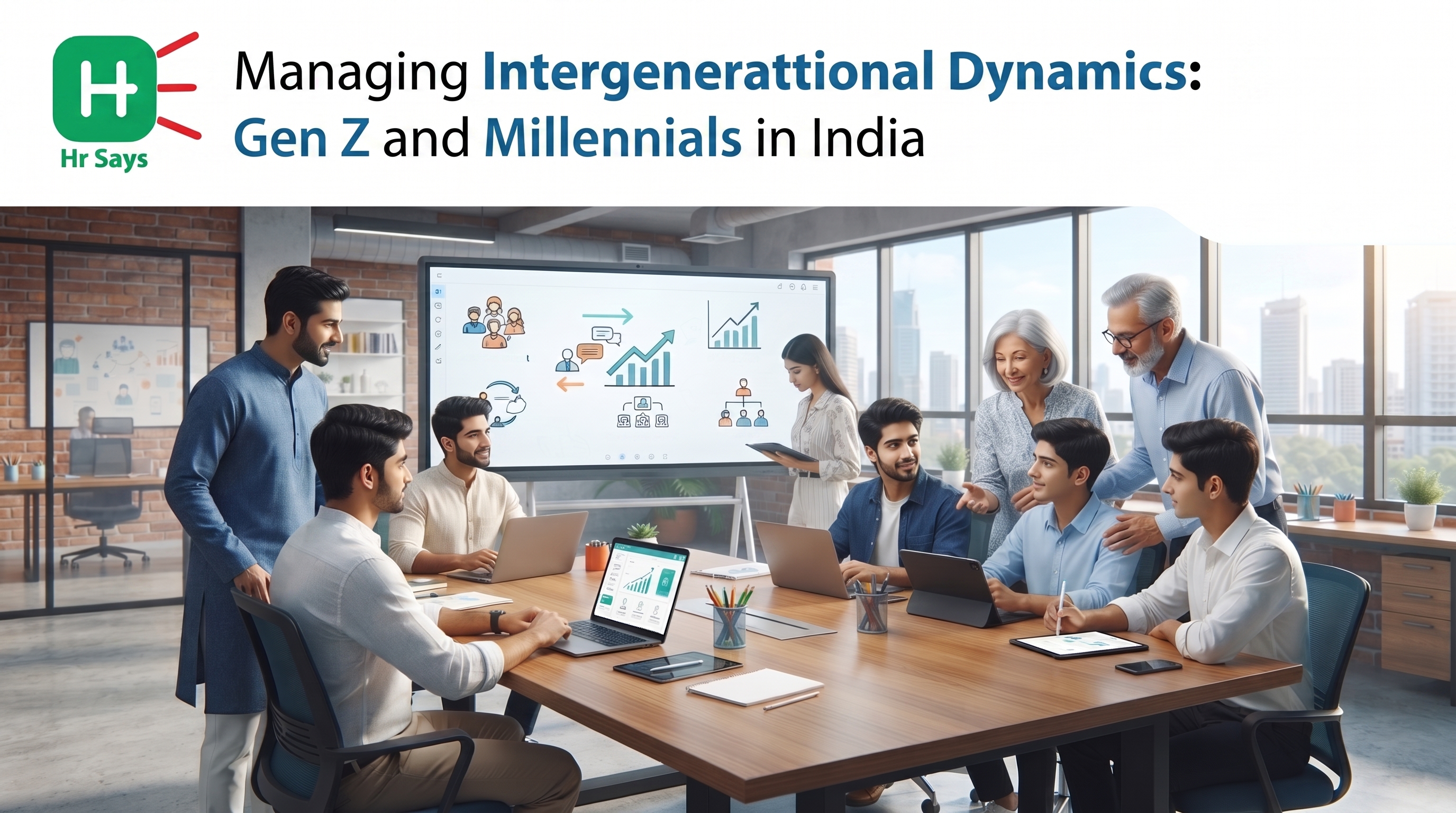
 India's corporate workforce is witnessing a historic convergence as Millennials and Gen Z collaborate across organizations. This generational shift is reshaping leadership, workplace culture, communication, and talent management strategies for the future of work.




The corporate landscape in India is experiencing an unprecedented demographic convergence. For the past decade, Millennials (born 1981–1996) have occupied the core execution and mid-management layers of the economy, driving the initial waves of digital transformation and operational scale. Today, a new workforce powerhouse is expanding rapidly underneath them: Generation Z (born 1997–2012).
Data from national workforce registries and economic surveys indicate that by 2026, Millennials and Gen Z together comprise over 70% of India’s active corporate workforce, making the country home to one of the youngest skilled talent pools in the global economy.
This convergence has exposed significant friction lines within corporate communication, career expectations, and workplace habits. Millennials, who entered the workforce during periods of intense economic formalization and initial tech expansions, frequently value structured career growth, cross-functional collaboration, and measurable milestones.
Gen Z, on the other hand, consists of true digital natives who stepped into the corporate sphere during the global pandemic, remote work shifts, and the rapid rise of creator-economy platforms. They heavily prioritize absolute transparency, rapid skill acquisition, authentic mental health support, and flexible, borderless workflows.
[ THE INDIAN INTERGENERATIONAL GAP ]
│
┌──────────────────────────┴──────────────────────────┐
▼ ▼
[ THE MILLENNIAL EXECUTION MATRIX ] [ THE GEN Z FLUID ARCHITECTURE ]
• Structured, linear career growth tracks • Fluid, skill-based modular execution
• High value on consensus-driven cross-syncing • Asynchronous digital-first interaction
• Loyalty tied to cultural milestones & clarity • Hyper-focus on mental wellbeing & purpose
• Outcome: Deep operational consistency • Outcome: Rapid innovation & extreme agility
Failing to manage these intergenerational dynamics introduces real operational risks for Indian enterprises. When leadership teams treat young professionals as a single, monolithic group, communication gaps emerge, causing frustration across management tiers, stalling projects, and driving high voluntary turnover.
Building a sustainable, high-performing corporate ecosystem requires a structured approach that values the strengths of both demographics. By understanding their unique cultural backgrounds and building flexible paths for collaboration, enterprises can transform differences into a powerful engine for innovation and talent retention.
1. The Core Dimensions of Intergenerational Friction
The cultural differences shaping these two distinct generations manifest across three primary workplace vectors:
Communication Styles: Consensus-Driven Syncs vs. Asynchronous SpeedMillennials are highly adapted to collaborative team environments. They value alignment, consensus-driven meetings, and structured updates across enterprise tools like Slack or Microsoft Teams.
Conversely, Gen Z professionals lean heavily toward absolute speed and directness. Having grown up with short-form visual media and instantaneous digital answers, they find lengthy status meetings counterproductive. They prefer brief micro-feedback loops, clear asynchronous video summaries, and task boards that allow them to execute instantly without waiting for a group sign-off.
Career Pacing and the Rise of Modular UpskillingThe path to professional achievement looks very different to each demographic. Many Millennials followed a linear career progression—working steadily within specialized functions to achieve structured promotions over multi-year cycles.
Gen Z view career progression through a modular lens. They prioritize immediate skill diversification over traditional job titles. Raised in a gig-economy mindset, they expect rapid, fluid micro-promotions, project rotations, and continuous technical training, viewing internal job switching as a natural way to expand their capabilities.
Autonomy and the Definition of Personal WellbeingWhile Millennials actively fought for "work-life balance" parameters like fixed hybrid options and corporate wellness apps, they often still accept traditional corporate structures.
Gen Z views mental wellbeing as a fundamental right rather than a corporate benefit. They draw strict lines around their personal recovery hours, push back strongly against uncompensated overtime, and demand authentic empathetic leadership that values their holistic physical and mental health above face-time metrics.
Comparative Matrix: Millennial Mid-Management vs. Gen Z Workforce Entrants
The matrix below contrasts the operational values, career goals, and communication habits of these two dominant demographics in the Indian enterprise ecosystem.
|
Workforce Performance Axis |
The Millennial Corporate Blueprint |
The Gen Z Talent Architecture |
Long-Term Strategic Workspace Edge |
|---|---|---|---|
|
Primary Communication Flow |
Structured consensus syncs and formal alignment meetings. |
Asynchronous micro-feedback loops and rapid direct loops. |
Enterprise: Blends structured alignment with execution speed. |
|
Career Progression View |
Linear advancement across clear organizational ladders. |
Modular skill accumulation and horizontal project moves. |
Enterprise: Creates adaptive internal mobility and agile project teams. |
|
Workplace Tool Default |
Enterprise messaging spaces and collaborative document hubs. |
Mobile-first video briefs and AI-assisted automation tools. |
Enterprise: Accelerates the deployment of next-generation tech. |
|
Wellbeing Integration |
Structural balance models (fixed hybrid setups, clean boundaries). |
Fluid mental health safety and absolute personal flexibility. |
Enterprise: Drastically reduces burnout and long-term absenteeism. |
|
Retention & Loyalty Anchor |
Opportune stability, strong benefits, and shared team culture. |
Authentic corporate purpose, transparent leadership, and impact. |
Enterprise: Positions the brand as a highly competitive talent destination. |
2. A Strategic Action Plan for HR Directors and Executives
To successfully harmonize your corporate culture and launch high-performance collaborative frameworks across your diverse business units, your leadership team must execute a structured, multi-phase operational protocol:
- Dismantle Lengthy Meetings and Deploy Asynchronous Feedback Hubs
Phase 1
Streamline team interaction loops. Replace mandatory weekly status meetings with lightweight task management dashboards and short, asynchronous video summaries, allowing Gen Z workers to execute quickly while keeping Millennials aligned. - Launch Agile, Modular Skill-Based Internal Rotation Systems
Phase 2
Re-engineer traditional career growth paths. Create structured internal rotation cycles that allow young professionals to join cross-functional projects every six months, satisfying Gen Z's demand for rapid skill acquisition without losing institutional talent. - Train Roster Managers in Empathetic, Output-Driven Coaching Practices
Phase 3
Upgrade your leadership capabilities. Run interactive workshops to retrain mid-level Millennial managers, shifting their focus away from tracking screen hours toward evaluating clear deliverables and supporting mental wellbeing.
Actionable Strategy: Your Long-Term Talent Governance Roadmap
- Link Enterprise Training Portals Natively with the Universal APAAR ID Grid: Ensure all corporate learning management platforms, upskilling modules, and internal certifications coordinate with national educational networks. Syncing professional achievements natively using verified APAAR IDs via the digital Academic Bank of Credits (ABC) network preserves an individual's lifelong learning milestones, simplifies credential validation, and streamlines internal advancement tracking.
- Deploy a Structured Mutual Reverse-Mentorship Framework: Connect your generational tiers productively. Pair senior Millennial managers with frontline Gen Z talent in structured monthly meetups, allowing young workers to share fresh insights on digital trends and AI tools while gaining strategic business knowledge from experienced leaders.
- Conduct Semi-Annual Generational Engagement and Churn Audits: Keep a continuous, data-driven eye on workforce health. Review your human capital analytics twice a year alongside department heads, tracking retention rates and workplace satisfaction scores across specific age groups to correct cultural friction before it impacts operations.
Frequently Asked Questions (FAQs)
Q1. Why do Gen Z and Millennial expectations differ so significantly within the workplace?Millennials entered the corporate world during initial tech expansions and values structural progression. Gen Z entered the workforce during a period of remote work options, automated systems, and a booming creator economy, shaping their focus on extreme transparency, flexibility, and rapid skill-building.
Q2. What exactly is asynchronous communication, and how does it balance generational needs?Asynchronous communication means sharing project updates without requiring an instant response. Using tools like shared task tracking boards allows Gen Z to act quickly on their own timelines while ensuring Millennial managers retain full oversight without constant meetings.
Q3. How can an organization offer rapid career growth without causing title inflation?Enterprises can implement modular, skill-based micro-promotions and horizontal project rotations. This framework satisfies Gen Z's desire for continuous learning and diverse experiences without cluttering the corporate hierarchy with empty manager titles.
Q4. What is the role of an APAAR ID in corporate talent retention and onboarding?An Automated Permanent Academic Account Registry (APAAR) ID acts as a secure, lifelong digital passport that records an individual's verified academic credits and technical upskilling awards, allowing enterprise HR teams to track and advance talent accurately over time.
Q5. How should a manager handle a Gen Z employee who pushes back against after-hours work?Shift the management approach to an objective, output-driven model. Focus evaluations on whether the individual meets their core goals during regular hours, and reserve late-night requests strictly for true system emergencies with clear adjustments to balance their time.
Q6. Do Gen Z professionals value long-term financial benefits like corporate pensions or NPS options?Yes, highly. Having witnessed economic volatility, Gen Z deeply values structural stability. Offering robust benefits like the National Pension System (NPS) under Section 80CCD(2) provides them with a strong sense of long-term security.
Q7. What are the key warning signs that indicate an intergenerational team is experiencing friction?Primary red flags include a sudden drop in project speed, an increase in passive-aggressive messaging across channels, high voluntary resignations within specific teams, and direct complaints about rigid management styles during exit interviews.
Q8. What parameters are evaluated on a 360-degree intergenerational workplace scorecard?A holistic workforce scorecard tracks data across multiple layers, cross-referencing team rotation rates, participation speeds in async channels, upskilling certificate completions, engagement levels during focus blocks, and voluntary attrition indices by age tier.
Q9. How fast can an enterprise expect an improvement in retention after updating these frameworks?When an organization updates its strategy to launch structured rotation options, deploy lightweight communication dashboards, and train managers in empathetic leadership, the return is steady. You can observe improved team collaboration and reduced attrition within 4 to 6 weeks of active execution.
Q10. What immediate steps should a CHRO take if a business unit flags for high Gen Z turnover?The response must follow a clear, analytical plan: immediately review recent performance evaluation histories within that division to check for subjective face-time bias, audit the unit's meeting logs to reduce communication fatigue, and provide the director with direct coaching to align their management methods with corporate standards.