 Sunday, September 20, 2026
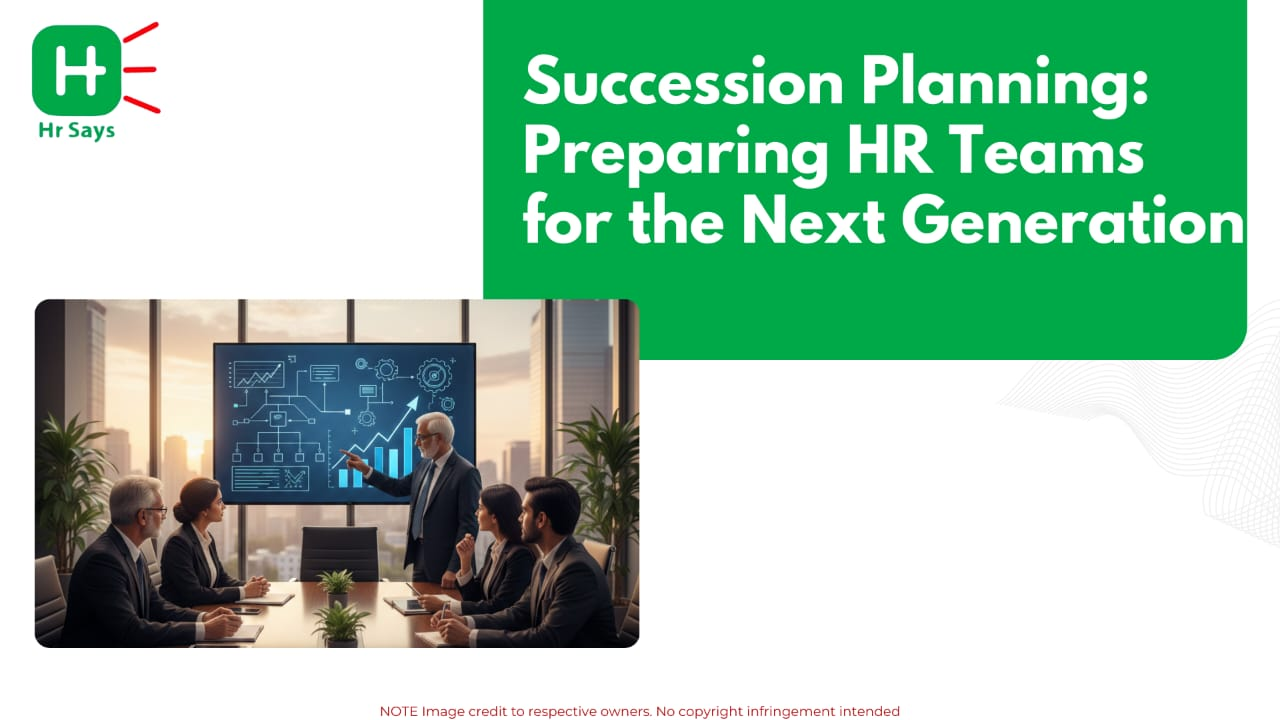
 Succession planning helps HR teams prepare future leaders, reduce talent risks, and maintain business continuity. This blog explores practical approaches, common mistakes, and development strategies to build a sustainable leadership pipeline.




The lack of leadership hardly presents itself. They come in without notice, and when an important individual is out of town and nobody is available to take their place. This is the time the succession planning comes into play. It allows the HR teams to remain proactive and not reactive and to create a better future workforce.
Why Succession Planning Can No Longer Be Ignored
The workforces are evolving at a quicker rate as compared to the policies. Senior leaders retire. High performers switch jobs. New positions appear, with new requirements of skills. Succession planning is no longer a choice in such an environment. It is a core HR strategy.
Lack of a proper succession plan leads to stagnating decisions in organisations, loss in productivity and disruption of the organisational culture. Continuity is ensured with it. Trust is established at Interpersonal levels. Management of growth is facilitated.
The HR Team’s Role in Building Leadership Continuity
Succession planning is often mistaken as a leadership-only exercise. In reality, it is driven by HR.
HR teams are expected to identify potential early, assess readiness objectively, and align talent pipelines with business goals. This requires a shift from replacement thinking to capability thinking.
Instead of asking who will replace whom, better questions are asked.
What skills will be needed next?
Which roles are business critical?
Who shows learning agility and leadership potential?
This mindset makes succession planning future ready, not just vacancy ready.
Identifying High Potential Talent Early
Potential is not always loud. It is often visible through consistent performance, curiosity, and accountability. HR teams can look beyond titles by focusing on:
• Learning speed and adaptability
• Problem solving approach
• Emotional intelligence and collaboration
• Willingness to take responsibility
These indicators help create a talent pipeline that is diverse, realistic, and aligned with long term goals.
Developing the Next Generation of Leaders
Identification alone is not enough. Development must follow. Succession planning works best when growth opportunities are built into everyday work.
This can include:
• Job rotations across functions
• Stretch assignments with guided support
• Leadership development programmes
• Mentorship and coaching frameworks
Skills are sharpened gradually. Confidence is built quietly. Readiness improves over time. When development feels intentional, employees stay engaged. Retention improves naturally.
Common Mistakes That Weaken Succession Plans
Many succession plans fail before they are tested.
Some common issues include:
• Treating it as a one time document
• Focusing only on senior leadership roles
• Ignoring employee aspirations
• Relying on manager bias instead of data
Succession planning should be reviewed regularly. It should evolve with organisational change. Transparency should be encouraged wherever possible.
Making Succession Planning a Living Process
Effective succession planning is ongoing. It is reviewed annually. Sometimes more often. HR analytics, performance data, and workforce planning tools can support better decisions. Cross functional discussions help reduce blind spots.
Most importantly, conversations about growth should feel normal. When employees know they are being prepared, trust increases. The organisation feels stable even during change.
Conclusion
Succession planning is not about predicting exits. It is about preparing people. When HR teams lead this process with clarity and consistency, organisations remain resilient, adaptable, and ready for what comes next.