 Sunday, September 20, 2026
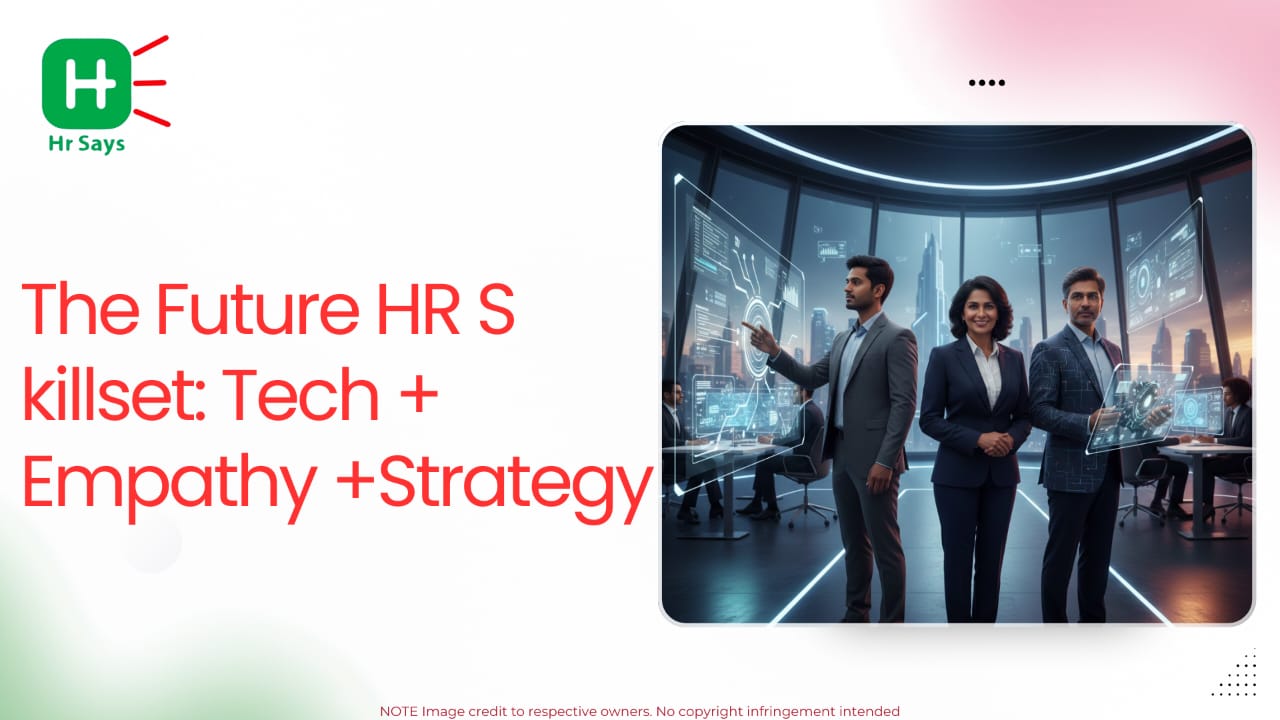
 The future HR skillset blends technology, empathy, and strategy. This blog explores how digital fluency, human understanding, and business alignment together define modern HR roles and long-term organisational success.




The workplaces are transforming insidiously but totally. HR is no longer a policy, payroll or hiring paper work. It is currently at the core of people, technology, and direction of business. The HR competency of tomorrow is being redefining on a daily basis.
Technology as the New HR Backbone
The current HR is digital-first. It is becoming a norm to use recruitment platforms, HR analytics tools, AI-based screening, and employee management systems. Technology is no longer a choice.
Digital fluency is no longer a bonus
Modern HR professionals are expected to understand HR tech tools, people analytics, and automation workflows. Decisions are
increasingly data-backed. Gut feeling alone no longer works.
Key technology-focused HR skills include:
● HR analytics and data interpretation
● Applicant tracking systems and HRIS platforms
● AI-assisted recruitment tools
● Remote workforce management software
When used well, technology reduces manual effort. Time gets freed for more human-focused work.
Empathy as the Human Advantage
Technology can process data. It cannot understand emotions. That responsibility still sits with HR.
People challenges are becoming more complex
Burnout, disengagement, mental health, and work-life balance issues are rising. Hybrid and remote work have changed how people connect at work.
Empathy-driven HR focuses on:
● Active listening during employee conversations
● Emotional intelligence in conflict resolution
● Psychological safety at the workplace
● Inclusive communication practices
Employees are not just resources. They are individuals with context, pressure, and personal realities. HR that fails to understand this often loses trust quietly.
Strategy as the Decision Lens
HR is now expected to think like a business partner. Strategy connects people decisions with long-term organisational goals.
HR must understand the business deeply
Talent planning, succession management, and workforce optimisation are strategic responsibilities today. Hiring without foresight becomes costly very quickly.
Strategic HR thinking includes:
● Aligning talent goals with business growth plans
● Workforce planning based on future skills demand
● Designing performance systems that support outcomes
● Advising leadership on people risks and opportunities
HR decisions now influence revenue, culture, and brand reputation. That influence requires clarity and intent.
Why the Combination Matters
Technology alone creates efficiency but feels cold. Empathy alone creates warmth but lacks structure. Strategy alone creates direction but can ignore people realities.
The future HR professional balances all three.
The real shift happening in HR roles
HR roles are quietly transforming from support functions into decision-making partners. Those who adapt stay relevant. Those who resist slowly fall behind.
Skills that sit at the intersection of tech, empathy, and strategy include:
● Data-informed people decisions
● Ethical use of AI in HR
● Change management during digital transformation
● Leadership advisory capabilities
This combination builds trust, efficiency, and sustainable growth together.
Conclusion
The future HR skillset is not about choosing between technology and people. It is about blending systems with sensitivity and aligning both with strategy. HR professionals who evolve thoughtfully will shape stronger workplaces.