 Sunday, September 20, 2026
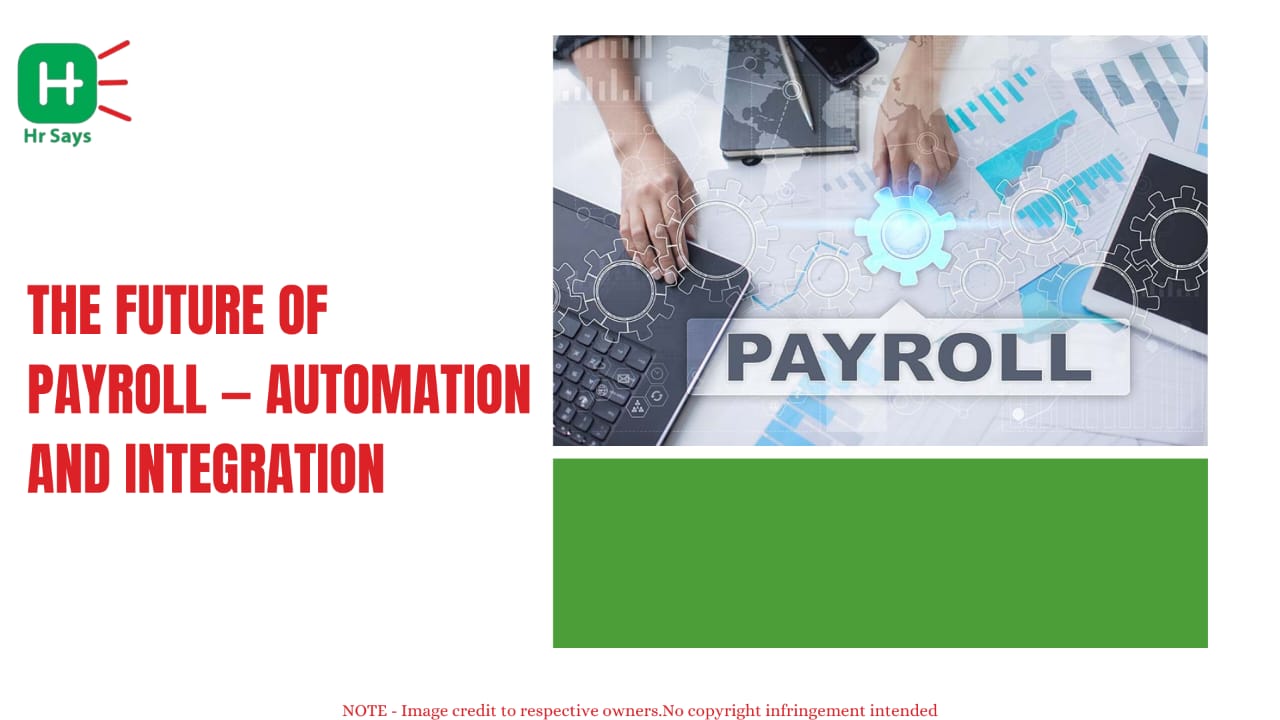
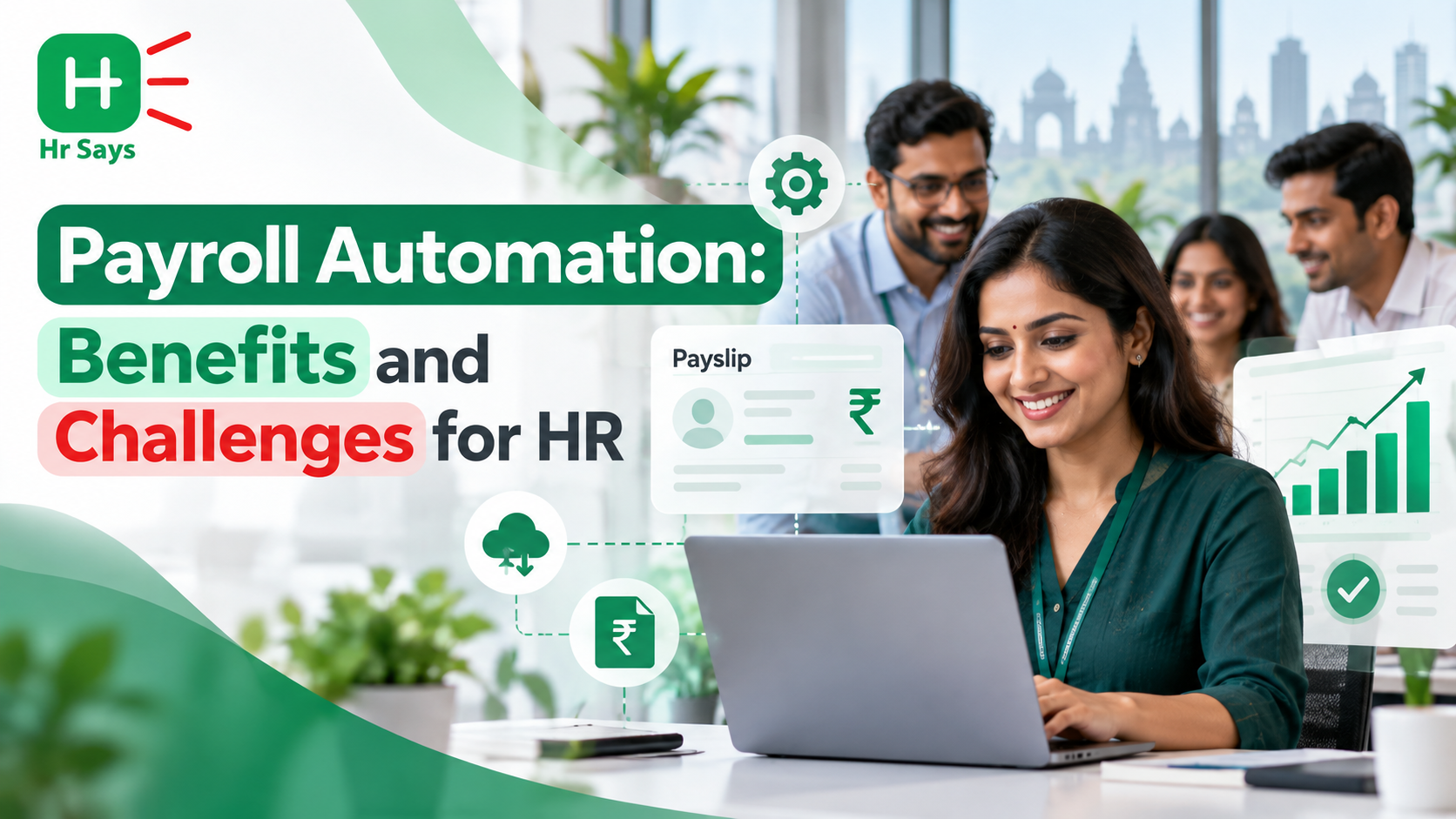
 This blog explores how payroll automation and integration are reshaping modern workflows. It highlights key drivers, essential automations, and the value of connected systems. The future of payroll moves toward accuracy, compliance, and adaptable digital ecosystems.




This is the way payroll is evolving quicker than most of the teams anticipate. Manual cycles are fading. Robotic systems and interlinked technology are emerging. The change is consistent, but strong. It has become desired by businesses that it does not strain them to find speed, accuracy, and compliance. It is an evolution that is developing a new payroll age of clarity and control.
Rising Need for Smarter Payroll Systems
A big number of organisations are trying to find out the trusted payroll automation to minimize delays. Such a change is conditioned by the adoption of digital and workforce mobility and complexity of compliance. The increased adoption of cloud payroll, intelligent integrations, AI assistants and compliance notifications indicate that teams desire foreseeable results under fewer risks.
What Drives This Change
● Frequent regulatory updates across regions
● A shift toward remote and hybrid workforces
● Need for unified tools that sync attendance and HR data
● Demand for real time visibility into payroll activity
How Businesses Benefit
● Reduced manual errors
● Faster processing cycles
● Better data security with modern payroll technology
● Improved transparency for employees and leaders
Automation as the Backbone of Modern Payroll
Automation now supports repetitive tasks. Calculations are handled in quiet precision. Compliance checks run thoughtfully in the background. Payroll teams focus more on strategy and less on corrections. This framework supports organisational stability in a time of change.
Key Automations Shaping the Future
● Auto calculation of salaries and deductions
● Automated tax updates
● Smart alerts for compliance risks
● Seamless integration with HRIS and time tracking
Why Automation Feels Essential
Automation ensures consistent payroll outcomes. Records remain clean. Data flows without friction. Oversight improves. Productivity rises. Many companies use automation to strengthen accuracy and reduce stress during closing cycles.
The Power of Integrated Payroll Ecosystems
Integration has become a leading trend in payroll management. Disconnected systems slow teams down. When payroll connects directly with HR, finance, and workforce data tools, the entire workflow becomes predictable. This shift guides companies toward smoother processes.
What Integration Enables
● Centralised data across platforms
● Sync between attendance, leave, and payroll
● Faster verification of employee records
● Simple reporting for audits and insights
Trending Technologies
● Cloud based payroll platforms
● AI driven compliance engines
● API centred integrations for scalability
● Unified HR and payroll suites
Conclusion
Payroll is moving toward a connected and automated future. Teams are seeking systems that think ahead. Accuracy remains a priority. Compliance remains a challenge. But the blend of automation and integration brings a practical path forward. Businesses that adapt early gain clarity and control in payroll operations.