Saturday, October 24, 2026
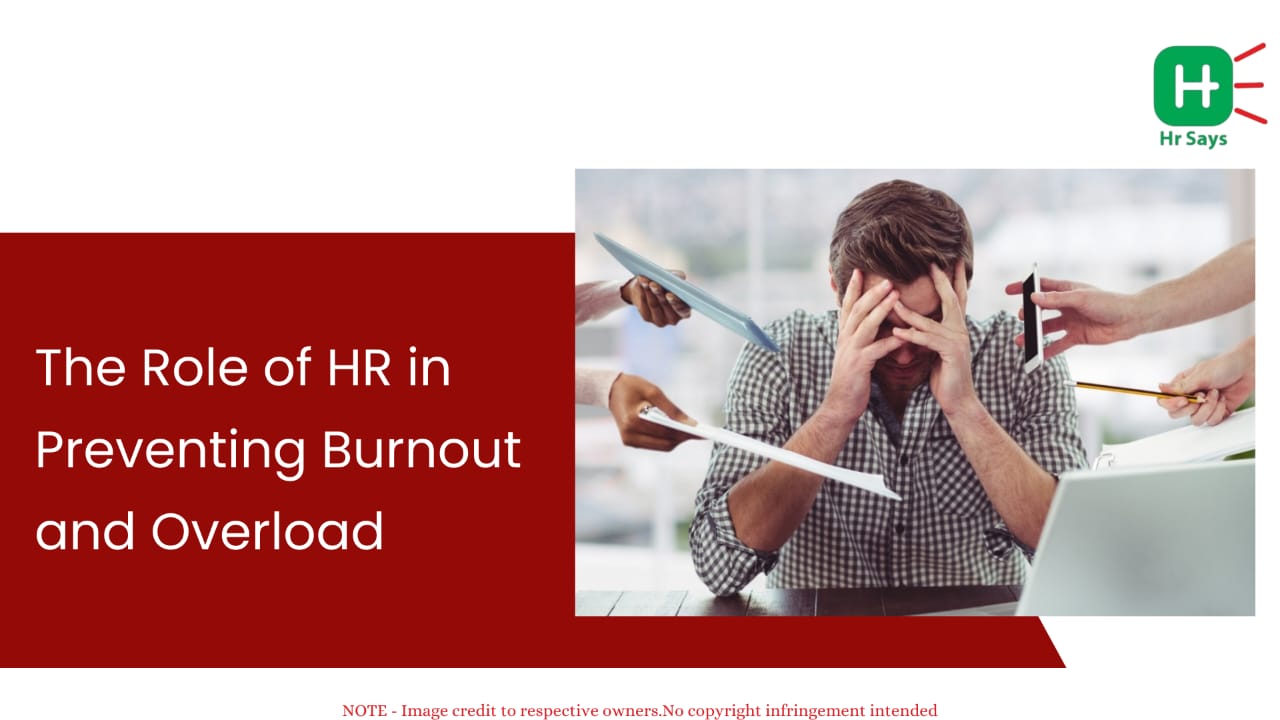
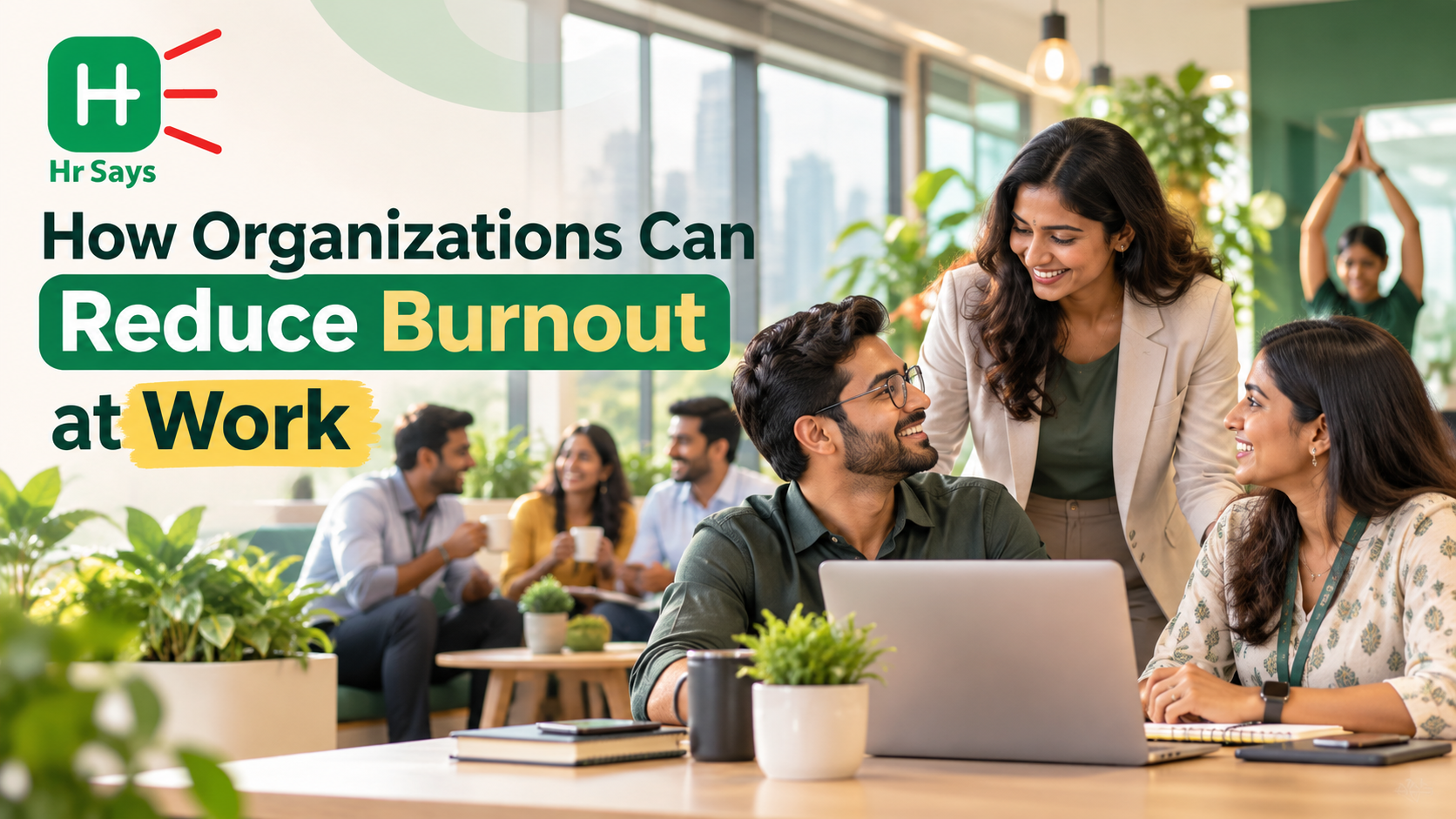
 HR prevents burnout by shaping balanced workloads, promoting communication, and using
data based interventions. Support systems, training, and wellness programs create healthier
environments where employees stay motivated and productive.
HR prevents burnout by shaping balanced workloads, promoting communication, and using
data based interventions. Support systems, training, and wellness programs create healthier
environments where employees stay motivated and productive.




Stress is likely to increase unobtrusively with the employees. Workloads stretch. Energy dips. The burnout comes and establishes itself. The HR teams frequently turn out to be the initial line of defence, formulating frameworks that have individuals nurtured, adjusted and entertained.
Understanding Burnout in Modern Workplaces
Burnout is one of the concerns that are gaining momentum within the hybrid and remote workplaces. Emotional exhaustion is caused by high workload, lack of clarity and expectations as well as lack of rest. The HR departments have now monitored trends associated with overworking, reduced productivity, and risk of attrition. Early warning is noted and overcome before it goes out of control.
Key Indicators HR Monitors
● Frequent mistakes
● Declining motivation
● Withdrawal from team activities
● Reduced creativity and slower task completion
Impact on Organisational Health
Burnout weakens culture. Collaboration suffers. Employee turnover increases. HR interventions help protect long-term performance by fostering balance and psychological safety.
Building a People Centric Work Environment
A workplace feels healthier when employees experience clarity, trust, and time to breathe. HR leads initiatives that support employee wellbeing while improving organisational outcomes.
Policies That Promote Work Life Stability
● Clear working hours
● Mandatory break guidelines
● Fair workload distribution
● Respect for offline time
Training Managers to Prevent Overload
Managers influence day to day experience. HR teams train them to assign tasks fairly, understand capacity, and communicate expectations transparently. Guidance is given to avoid micromanagement and pressure driven schedules.
Strengthening Communication and Support Systems
Burnout often grows in silence. HR encourages open communication channels where employees feel safe to express struggles without judgment.
Role of Regular Check Ins
Weekly or biweekly conversations help managers spot early signs of overload. HR suggests simple questions that uncover stress patterns and workload challenges.
Employee Assistance and Wellness Programs
Stress management workshops, counselling access, and mindfulness initiatives offer relief. These resources support overall employee morale and increase engagement levels.
Leveraging Data and Technology for Wellbeing
Modern HR analytics highlight overworking trends. Tools track attendance patterns, overtime surges, and engagement scores. Data helps HR design interventions that feel timely and personalised.
Using Predictive Insights
HR teams use insights to forecast burnout risk. Adjustments are made to team size, task flow, or project timelines. Patterns are studied continuously.
Encouraging a Culture of Rest and Recognition
Healthy workplaces offer recognition as well as rest. HR promotes quiet weeks, no meeting days, and reward systems. Acknowledging effort reduces monotony and brings motivation back into the workflow.
Small Actions That Bring a Big Shift
● Encouraging regular time off
● Celebrating small wins
● Allowing flexible hours
● Supporting boundary setting
Conclusion
HR plays a stabilising role when workloads intensify. Strong policies, open communication, and thoughtful wellbeing tools prevent burnout from taking root. When employees feel supported, organisations function with clarity and sustained energy.