 Sunday, September 20, 2026
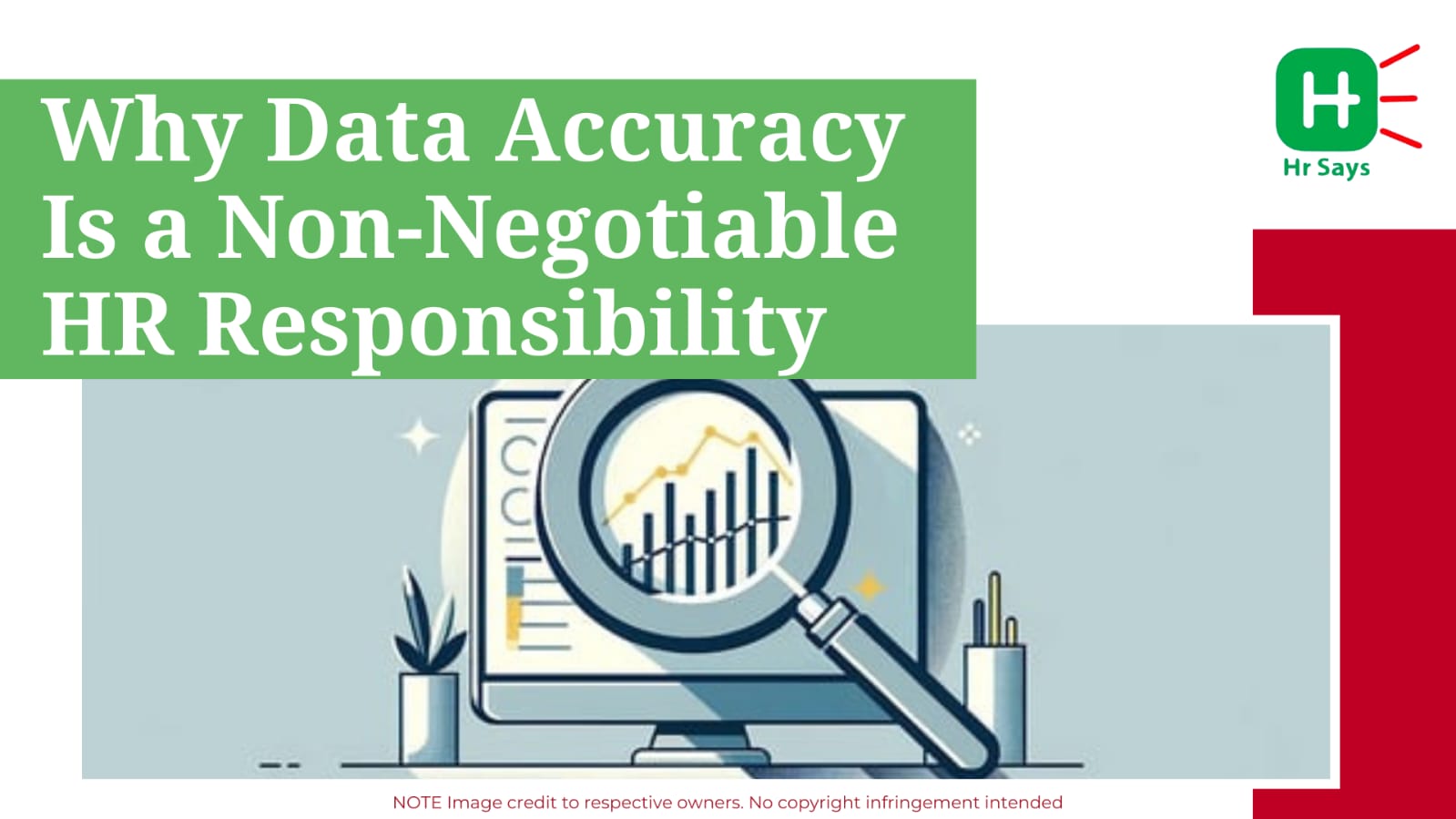
 This blog highlights the importance of accurate HR data. It explains its role in trust, compliance, digital transformation, and employee experience. It also offers simple strategies for building accuracy into everyday HR workflows.




The flow of data within an organisation is rapid. HR departments rely on any entry to be accurate, up to date, and validated. Any minor mistake can impact on the payroll, performance monitoring, or even recruitment. This blog discusses the reasons why accuracy becomes a non-negotiable aspect in the contemporary HR systems and processes.
Why Accurate HR Data Shapes Organisational Stability
There is core HR operations based on quality data. It safeguards intergroup trust. It maintains processes in a predictable manner. It also makes sure that compliance initiatives remain high. Clean data enhances better decision making in a world that operates on analytics and measurements of talent.
Core Benefits of Data Accuracy
● Payroll remains error free.
● Leave balances reflect real usage patterns.
● Offer letters, onboarding inputs, and employee records stay aligned.
● Regulatory submissions move smoothly.
● HR analytics deliver reliable insights for leadership.
The Rising Pressure From Digital Transformation
HR tools, cloud systems, and AI-powered dashboards depend on correct data. Minor inconsistencies slow processes. They interrupt automation. They weaken data security. The shift toward digital HR has created a renewed focus on precision. It has made accuracy a trending HR priority.
How Inaccurate Data Creates Hidden Costs
Errors may appear small. Their impact grows quietly. A wrong number, a misplaced field, or an outdated record affects entire workflows. HR leaders often face extra scrutiny because organisations rely on accurate employee information.
Common Issues Created by Data Inaccuracy
● Payroll disputes that hurt employee experience.
● Faulty headcount reports.
● Incorrect performance history stored in systems
.
● Delays in hiring or onboarding processes.
● Audit failures and compliance risks.
Why Accuracy Protects Employee Trust
Employees expect transparency. Data errors reduce confidence. HR teams are judged by how dependable internal systems feel. Trust grows when employee information stays consistent across platforms. This makes accuracy essential in culture building and workforce planning.
Building a Culture of Accuracy in HR Workflow
Accuracy improves through practice. Teams work better when a clear process guides data entry, validation, and review. Strong data hygiene transforms HR functions. It also reduces manual workload.
Strategies That Strengthen Data Accuracy
● Standardised templates for data collection.
● Defined access controls inside HR software.
● Regular internal audits.
● Training sessions on updated HR tools.
● Prompt correction of identified errors.
Supporting Accuracy With Smart HR Technology
Trending HR tech, including automation tools and integrated dashboards, supports accuracy. These systems reduce repetitive work. They improve validation efficiency. They allow HR leaders to track employee information with clarity. Good tools help teams maintain consistent data flows.
Conclusion
Data accuracy sits at the centre of reliable HR operations. It shapes payroll, compliance, culture, reporting, and trust. Clean data supports better decisions. It strengthens transparency across the organisation. HR teams grow stronger when accuracy becomes a daily habit.