 Sunday, September 20, 2026
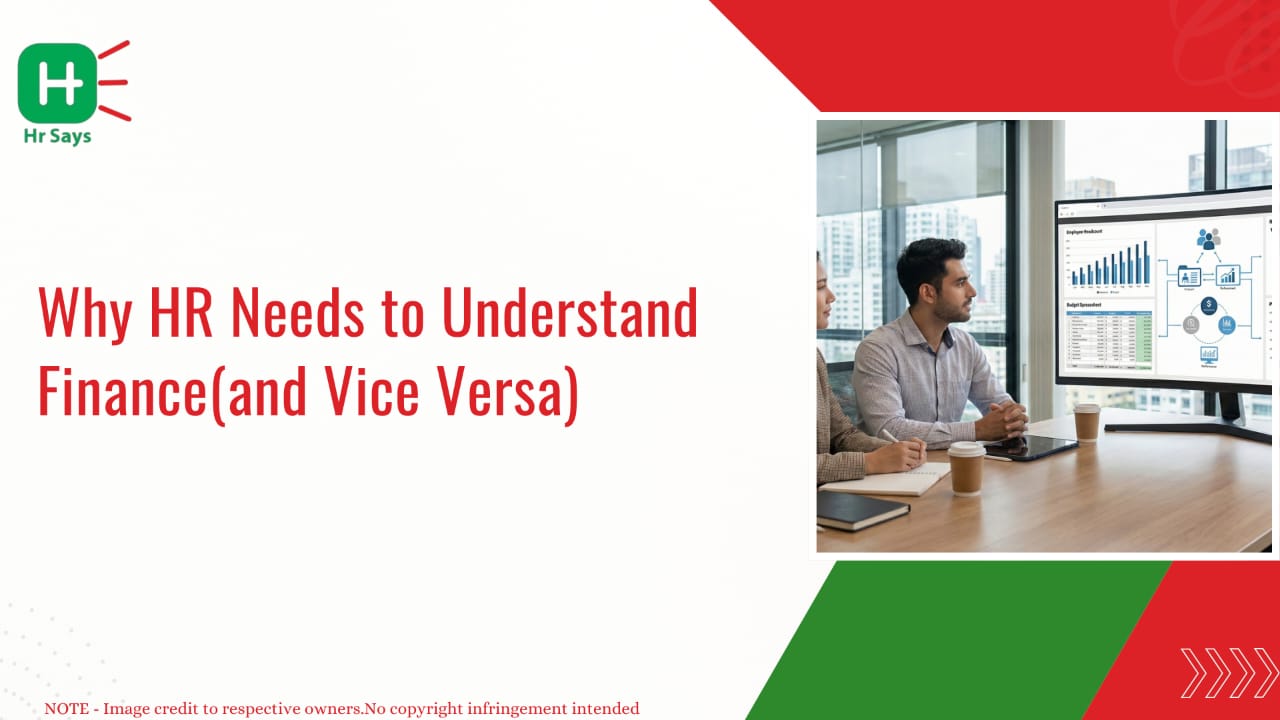
 This blog explains why HR and finance must understand each other. It highlights benefits, collaboration methods, and practical value for both teams. The insights help readers see how shared knowledge supports stable and efficient growth.




The modern day workplaces are people and number driven. Decisions are also more powerful when the two sides communicate. This could be a gap that is not always explored. Nevertheless alignment assists teams in being on track, stable or even in having plans that are well-planned.
The Hidden Link Shaping Business Decisions
HR focuses on people. Finance focuses on numbers. Both shape business health. Whenever HR knows the cost structures, then hiring will be strategic. Budgeting will be real when finance comprehends the dynamics of the workforce. With a common vision, teams are able to anticipate results with fewer surprises.
How HR Benefits From Basic Financial Literacy
HR choices influence budgets. Understanding financial language helps teams act with awareness. Trends show an increasing shift toward data-driven HR. Workforce planning feels sharper when numbers guide decisions.
Key advantages for HR teams
● Better hiring decisions aligned with revenue goals
● Improved compensation planning based on market insights
● Stronger business cases backed by financial logic
● Clearer communication with leadership
Why Finance Should Understand People Operations
Numbers alone do not reflect workplace dynamics. Finance teams gain context when HR data is understood. Turnover patterns, engagement levels, and skill gaps affect long-term costs. Strategic finance today depends on workforce insights.
Benefits for finance teams
● Accurate forecasting that considers people risks
● Better cost control using talent data
● Strong alignment with organisational growth plans
● Human-centric judgement during financial planning
Building Strong Collaboration Between HR and Finance
Connected teams reduce friction. Shared dashboards, cross-functional reviews, and transparent communication encourage trust. Trends highlight a rising focus on integrated workforce analytics. Collaboration becomes smoother when both sides act with clarity.
Practical ways teams can work together
● Regular joint planning sessions
● Shared access to data systems
● Agreed metrics for success
● Clear ownership of decision areas
What Strong Alignment Looks Like
Coordinated teams operate with awareness. HR hires with financial clarity. Finance budgets with people insights. Company goals feel realistic. Teams move with speed. Miscommunication is reduced. Outcomes appear consistent.
Conclusion
Alignment between HR and finance creates balanced decisions. Teams gain clarity. Plans become achievable. Organisations respond to change with stability. Collaboration becomes natural. A shared understanding builds long-term strength.