Sunday, September 20, 2026
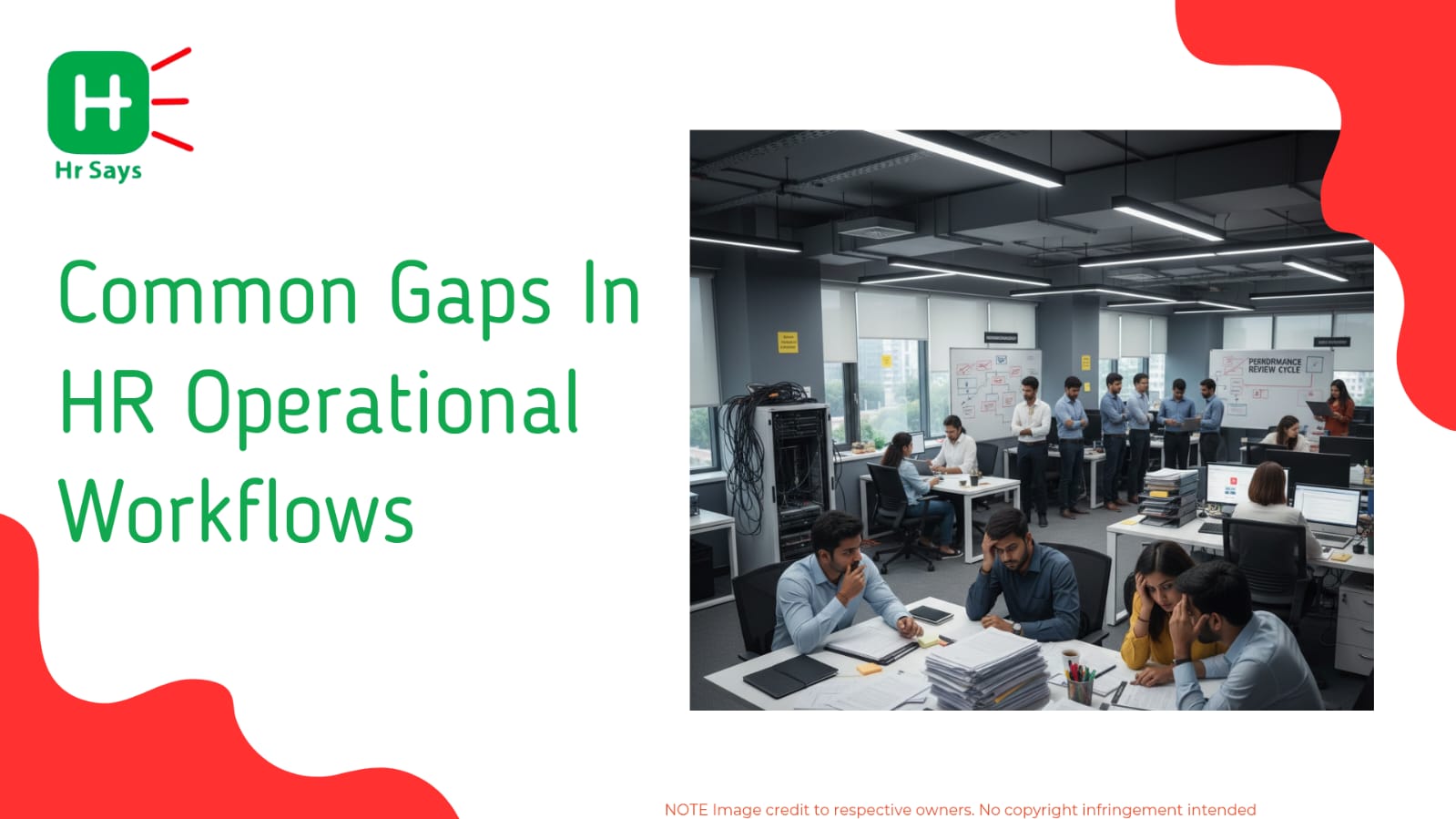
 HR operational gaps often stem from fragmented ownership, manual processes, and weak data
integration. When left unaddressed, they affect efficiency, compliance, and employee
experience. Structured workflows and intentional alignment can quietly restore operational
stability.
HR operational gaps often stem from fragmented ownership, manual processes, and weak data
integration. When left unaddressed, they affect efficiency, compliance, and employee
experience. Structured workflows and intentional alignment can quietly restore operational
stability.




The working of HR operations is usually assumed to be in the backdrop. Gaps will be neglected when the systems seem to be stable. In the long run, these gaps come out in terms of delays, misunderstanding and unnecessary employee dissatisfaction. Vast majority are unintentional, but they are products of the blurs in a process that is not addressed.
Fragmented Process Ownership
HR processes within most organizations are done in silos. Often recruitment, payroll, compliance and employee engagement are separate functions.
Lack of End to End Visibility
Processes are designed in isolation. As a result, handoffs between teams are poorly defined. Tasks are delayed, ownership becomes unclear, and accountability is weakened.
Impact on the Employee Lifecycle
When ownership is fragmented, the employee lifecycle feels disjointed. From onboarding to exit formalities, experiences are shaped by gaps rather than continuity.
Manual Dependency In Critical Tasks
Despite digital transformation efforts, manual intervention continues to dominate daily HR operations.
Over Reliance On Spreadsheets And Emails
Attendance tracking, leave approvals, and document storage are still managed manually in many setups. Errors are introduced silently and corrections are handled reactively.
Missed Opportunities For Automation
HRIS platforms and workflow automation tools are often underutilized. Efficiency is lost, and valuable HR bandwidth is consumed by repetitive tasks.
Inconsistent Onboarding And Offboarding
First and last impressions are formed during onboarding and offboarding. Yet, these processes are frequently treated as administrative checklists.
Unstructured New Hire Experience
Information is shared inconsistently. Access to tools, clarity on roles, and cultural orientation are delayed. Engagement is reduced before productivity is established.
Poor Knowledge And Asset Recovery
During exits, knowledge transfer is rarely formalized. Assets and access rights are recovered late, increasing compliance and security risks.
Weak Data Integration And Reporting
HR decisions are increasingly expected to be data driven. However, data quality and accessibility remain weak points.
Disconnected Systems
Payroll, performance management, and recruitment tools often do not communicate. Data is duplicated and reports are manually consolidated.
Limited Workforce Analytics
Insights into attrition trends, engagement levels, and workforce planning are delayed or unavailable. Strategic decisions are then based on assumptions rather than evidence.
Compliance Managed As A Reactive Task
Regulatory compliance is critical, yet it is frequently addressed only when audits approach.
Policy Updates Not Embedded In Workflows
Labor law changes and internal policy updates are communicated, but not operationalized. Execution gaps are created between policy and practice.
Risk Of Non Compliance
Documentation lapses, delayed filings, and inconsistent record keeping expose organizations to legal and financial risks.
Conclusion
Most HR operational gaps are created gradually. They are sustained by habit, workload pressure, and unclear accountability. When workflows are reviewed with intent, small structural changes can restore clarity, efficiency, and trust across the organization.