 Thursday, October 01, 2026
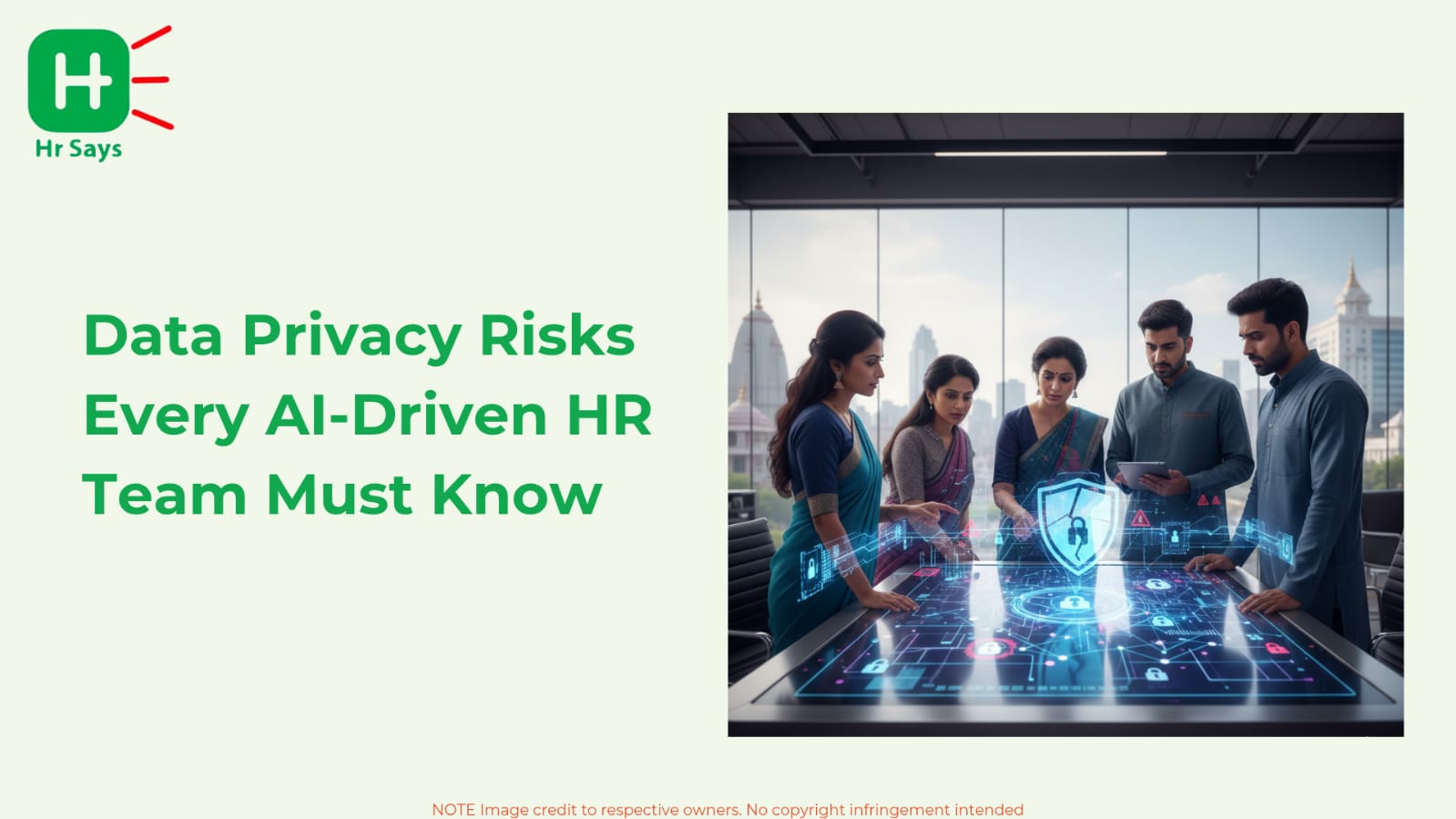
 AI-driven HR systems offer efficiency but introduce hidden data privacy risks. Consent gaps, bias, security exposure, and compliance challenges must be actively managed to protect employee trust and ensure responsible, transparent use of HR technology.




AI has moved into HR processes. Resumes are filtered, performance is forecasted and the behavior of employees is studied. Sensitive data will be continuously processed with this convenience. The risks tend to be hidden up until the time of broken trust, inquires of compliance or the fact that the damage has already been performed.
The Expanding Data Footprint in AI-Powered HR
HR systems that are continued by AI rely on data. Personal information, behavioral indicators, performance index, and even sentiment information are being gathered continuously. This information is very personal most of the times and is usually given without full knowledge of its intents and purposes.
Data accumulation is what is not regarded in most cases. Data gathered in a specific purpose is re-used, re-trained or integrated with a different set of data. The footprints of the data widen gradually making them more exposed and vulnerable.
Common data sources include:
● Resume parsing and candidate profiling tools
● Employee monitoring and productivity analytics
● Engagement surveys and sentiment analysis platforms
● Predictive attrition and performance models
Each layer adds convenience, but also risk.
Consent Gaps and Transparency Issues
In many HR environments, consent is assumed rather than clearly obtained. Privacy policies are shared, but rarely read. Employees may not fully understand how AI systems evaluate them or how long their data is stored.
Transparency is often sacrificed for efficiency. When decisions are automated, explanations become vague. This creates discomfort and mistrust, especially when outcomes affect hiring, promotion, or termination.
Risks arise when:
● Data usage extends beyond original intent
● Consent language remains generic
● Employees are unaware of automated decision-making
Over time, this gap erodes confidence in HR processes.
Algorithmic Bias and Data Misuse
AI systems learn from historical data. If that data carries bias, it is quietly replicated. Gender, age, location, or background biases can
be reinforced without direct human intent.
From a privacy standpoint, this becomes dangerous when sensitive attributes are inferred rather than explicitly provided. Behavioral patterns, speech analysis, or engagement scores can reveal more than intended.
Key concerns include:
● Inferred personal traits without disclosure
● Over-reliance on predictive analytics
● Limited human review of AI-driven decisions
What feels objective may quietly become invasive.
Security Vulnerabilities and Third-Party Exposure
Most AI HR tools rely on cloud infrastructure and third-party vendors. Employee data often travels across platforms, systems, and borders. Each transfer introduces another point of exposure.
Even when vendors claim compliance, responsibility ultimately falls on the organization. A single breach can impact thousands of records and permanently damage employer reputation.
Risks are amplified when:
● Vendor security audits are skipped
● Data retention policies are unclear
● Access controls are loosely managed
Security failures are rarely visible until they are irreversible.
Compliance Pressure and Regulatory Blind Spots
Data privacy regulations continue to evolve. Laws around employee data, AI governance, and automated decision-making are becoming stricter. Yet, many HR teams adopt AI tools faster than policies are updated.
Non-compliance is often accidental. Still, penalties, legal scrutiny, and employee disputes can follow.
HR teams are increasingly expected to balance innovation with accountability. That balance is not optional anymore.
Practical Safeguards for Responsible AI Use
Privacy risks cannot be eliminated, but they can be managed.
Helpful practices include:
● Clear data minimization policies
● Transparent AI usage communication
● Regular audits of HR technology vendors
● Human oversight in critical decisions
● Defined data retention and deletion timelines
When privacy is treated as strategy rather than compliance, trust is preserved.