 Thursday, October 01, 2026
.jpeg)
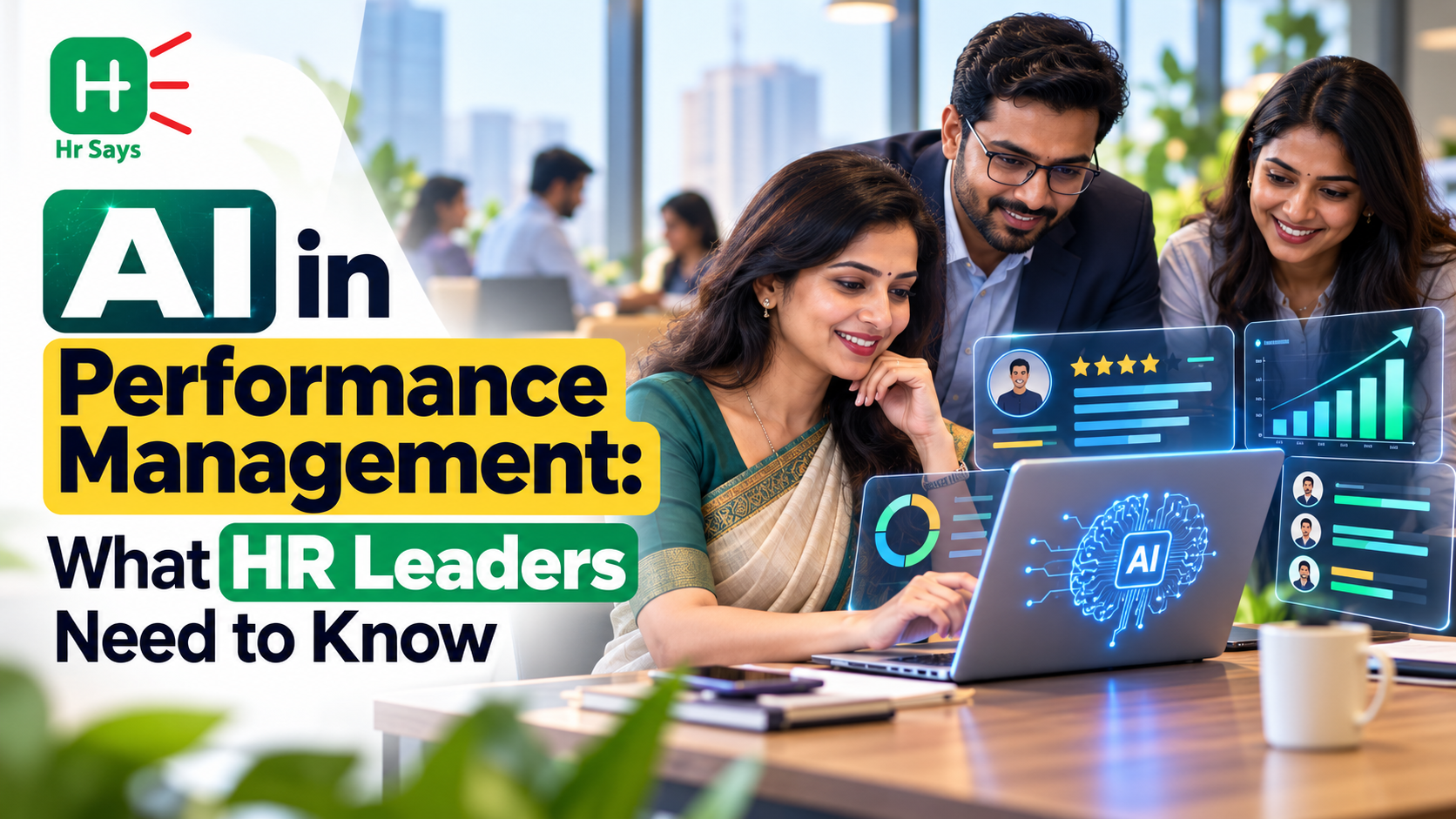
 AI is redefining modern HR work. This blog explores essential AI related skills HR professionals need today, covering data literacy, ethical awareness, AI assisted recruitment, and the growing importance of human judgment in technology driven workplaces.




Reform of workplaces is happening unobtrusively. Algorithms are assisting with decisions, resumes are being scanned, people analytics is being discussed at frequent everyday meetings. To the HR professionals, AI has ceased to be a luxury. It has already been embedded into everyday work, and it is sometimes hard to notice that.
Understanding AI Beyond Buzzwords
AI is also viewed as a technical term that should be applied by engineers. As a matter of fact, its place in HR is operative and practical. AI tools are affecting the recruitment, engagement, learning, and retention.
The elementary knowledge is now anticipated. This involves understanding the learning process of AI systems, the data source and the reasoning why data should be given out. The blind trust is being substituted with the informed use.
Key areas to focus on include:
● Difference between automation and AI
● Role of machine learning in HR tech
● Limits of AI decision making
Data Literacy for Smarter HR Decisions
HR has always worked with data, but AI has changed the scale and speed. Dashboards, predictive analytics, and workforce insights are now common.
Data literacy is being valued as a core HR skill. Numbers are not just being reported, they are being interpreted.
HR professionals are expected to:
● Read and question AI driven insights
● Understand basic metrics like attrition risk and performance trends
● Communicate data insights in simple language
This skill is not about complex statistics. It is about clarity and context.
Ethical Awareness and Bias Detection
AI systems are trained on historical data. Because of this, bias can be repeated silently. Hiring algorithms, performance scoring tools, and screening software can all carry hidden risks.
Ethical awareness is becoming non negotiable in HR.
Attention should be given to:
● Fairness in AI based hiring
● Transparency in employee monitoring tools
● Privacy and data protection norms
HR is being seen as the ethical checkpoint between technology and people.
AI Assisted Recruitment Skills
Recruitment has been one of the fastest areas of AI adoption. Resume screening, candidate matching, and chatbots are now routine.
HR professionals are expected to work alongside these tools, not against them.
Practical skills include:
● Writing AI friendly job descriptions
● Reviewing AI screened candidate pools critically
● Using recruitment analytics without losing human judgment
Efficiency is gained, but accountability still rests with HR.
Human Skills That AI Cannot Replace
As AI grows, human skills are being valued even more. Empathy, judgment, and communication are not being automated.
HR professionals are expected to balance technology with trust.
Core human skills include:
● Emotional intelligence in AI driven workplaces
● Change management during digital transformation
● Clear communication about AI usage with employees
These skills create stability when systems change quickly.
Continuous Learning as a Career Skill
AI tools are evolving fast. What works today may feel outdated tomorrow. Because of this, continuous learning is being treated as a survival skill.
Short courses, HR tech updates, and peer learning are being preferred over deep technical training. Curiosity is being rewarded more than perfection.
Conclusion
AI is not replacing HR. It is reshaping it. Professionals who understand AI, question it, and use it responsibly are being valued more. The role is becoming more strategic, more analytical, and quietly more human.