 Tuesday, November 17, 2026

 HRsays is redefining India’s HR knowledge ecosystem by creating a collaborative platform that
connects professionals, shares insights, and promotes continuous learning in human resource
management. It bridges gaps, drives meaningful dialogue, and empowers India’s HR community
to grow together





What are the favourite sources of new ideas and trends on the workforce of HR professionals in India? That place is HRsays. It is a Web-based movement which is transforming the way individuals learn, share as well as develop in human resources.
Shaping the Future of HR Conversations
The HR in India is evolving at a rapid pace. New learning is necessary at all times due to the new challenges presented by technology changes down to taking care of employees. HRsays assists by developing a system in which there is a free exchange of HR information and everybody benefits.
What makes it unique is its focus on knowledge-sharing, community learning, and practical HR insights. Instead of following the old format of HR publications, HRsays brings together professionals, thought leaders, and organizations on one platform to exchange real-world experiences.
Through expert-led discussions, articles, and trend analyses, HRsays is setting a new standard for HR communication and collaboration across industries.
Building a Culture of Continuous Learning
The strength of any HR ecosystem lies in how well it promotes learning beyond job titles. HRsays encourages HR professionals to upskill, reflect, and connect with emerging ideas that shape the future of work.
Its content revolves around:
● Workforce transformation and HR tech
● Employee engagement and retention strategies
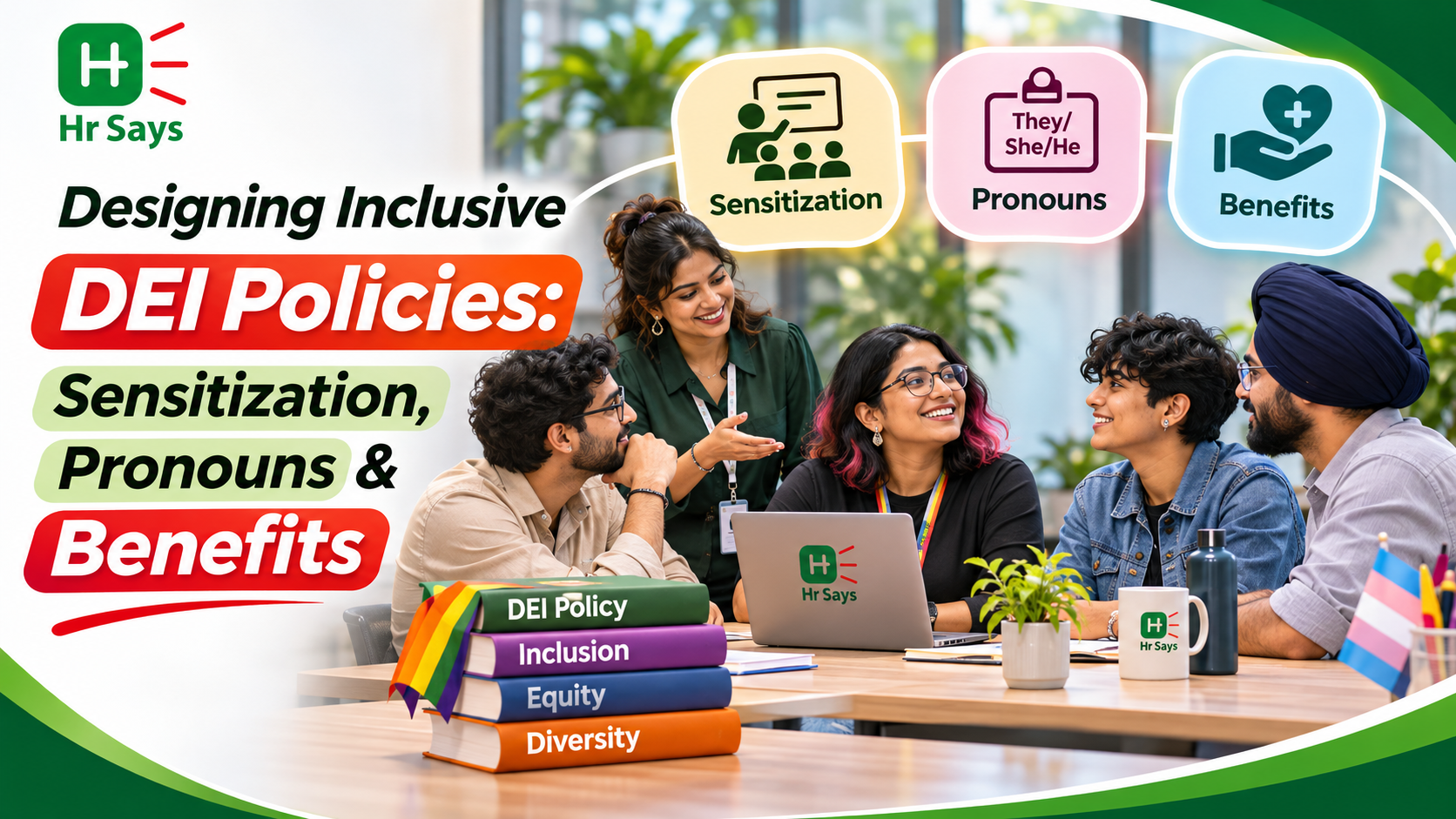
● Diversity, equity, and inclusion (DEI)
● Leadership and talent management insights
● Evolving HR policies and compliance trends
By simplifying complex HR concepts and presenting them through meaningful stories, the platform keeps learning both relevant and relatable.
Empowering India’s HR Community
HRsays is not just a content hub; it’s a community-driven HR platform where people find value in real conversations. With contributions from HR practitioners, consultants, and academicians, it captures every layer of the Indian workplace narrative.
It focuses on connecting professionals who want to make an impact through people-centric practices. Each published piece aims to spark discussion, provide perspective, and inspire change within HR circles.
The platform also plays a crucial role in bridging academia and industry, ensuring that both students and professionals stay updated with practical knowledge that complements theoretical learning.
Why HR Knowledge Ecosystems Matter
The idea of a “knowledge ecosystem” goes beyond information sharing—it’s about collaboration. In a space where HR policies, laws, and workforce expectations shift rapidly, having an integrated platform like HRsays helps professionals:
● Access curated HR insights easily
● Stay ahead with the latest HR trends in India
● Learn from real-time workplace experiences
● Strengthen decision-making with credible resources
This collective growth mindset is what turns HRsays into a cornerstone of India’s evolving HR landscape.
Conclusion
HRsays is steadily shaping India’s HR knowledge ecosystem—one story, one voice, and one shared experience at a time. By turning information into insight, and readers into contributors, it’s fostering a culture where HR truly becomes the center of organizational growth and transformation.