Sunday, September 20, 2026
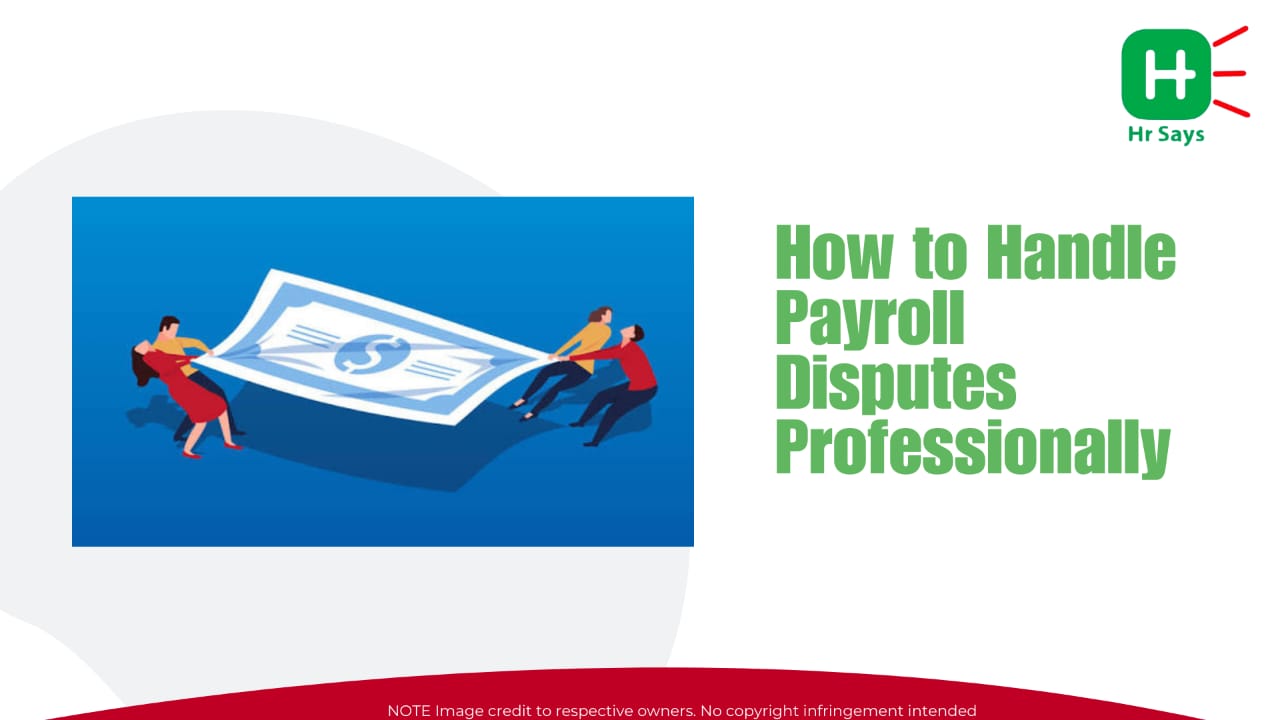
 This blog explains how payroll disputes can be handled with clarity and professionalism. It
highlights documentation, communication, transparency, and HR best practices. A structured
approach supports trust, reduces confusion, and improves workplace harmony.
This blog explains how payroll disputes can be handled with clarity and professionalism. It
highlights documentation, communication, transparency, and HR best practices. A structured
approach supports trust, reduces confusion, and improves workplace harmony.




Payroll problem may affect trust, crush and cause stress. Calm communication and speed of documentation with an effective process is the most appropriate. Payroll disputes can be cleared in a professional and confident way when handled professionally.
Understanding Payroll Disputes
Delay, miscalculation, overtime confusion, or tax deductions are some of the causes of the payroll disputes. The problems turn out to be minor initially but can be bigger when timely addressed is ignored. The systematic method assists employees as well as HR to remain transparent and in balance in the work environment.
Common Causes
● Incorrect attendance logs
● Unapproved overtime disagreements
● System errors
● Misapplied deductions
● Changes in tax rules or updated salary structures
Why a Professional Approach Matters
Professional handling builds trust. It supports fair communication and helps organisations maintain compliance with payroll policies and labour regulations. It keeps conflicts controlled and prevents miscommunication.
Steps to Handle Payroll Disputes
A simple, organised process works best. Employees feel respected when a dispute is treated with seriousness and pace.
Step 1: Document Everything
Collect payslips, attendance reports, communication screenshots, shift schedules, and employment agreements. Documentation removes confusion. It allows HR teams to track exact numbers and timestamps.
Step 2: Communicate Early
A clear message sent at the earliest prevents tension. Employees can outline concerns in brief. HR can respond with timelines and next steps. Quick communication supports transparency and professionalism.
Step 3: Stay Objective
Neutral language reduces friction. The focus stays on resolving the discrepancy rather than assigning blame. This approach reduces emotional escalation and keeps the conversation centred on facts and compliance.
Step 4: Request an Internal Review
An internal payroll review verifies calculations and system data. HR teams recheck overtime rates, deductions, allowances, and leave balances. This step reassures employees that the organisation values fairness.
Step 5: Keep Follow Ups Structured
Short, polite reminders show consistency without pressure. Follow ups keep the process active. Clear timelines help prevent delays. This builds confidence on both sides.
HR’s Role in Smooth Resolution
HR acts as a bridge between employees and payroll systems. A proactive HR team reduces repeated payroll concerns. This supports workplace culture and satisfaction.
Best Practices for HR Teams
● Maintain updated payroll software
● Communicate policy changes clearly
● Train managers on reporting accuracy
● Encourage employees to review payslips monthly
● Create a simple dispute resolution workflow
Building a Transparent Payroll Culture
Payroll transparency reduces future disputes. It builds a stable workplace where employees feel heard. Clear guidelines and accurate monthly reports strengthen accountability.
What Transparency Looks Like
● Accessible payroll policies
● Clear breakdown of deductions
● Predictable salary timelines
● Regular system audits
● Open channels for raising concerns
Conclusion
Payroll disputes happen in every organisation. A calm, structured process helps resolve them faster. Professional communication, timely reviews, and transparent practices create a workplace where people feel respected and assured.