Saturday, October 24, 2026
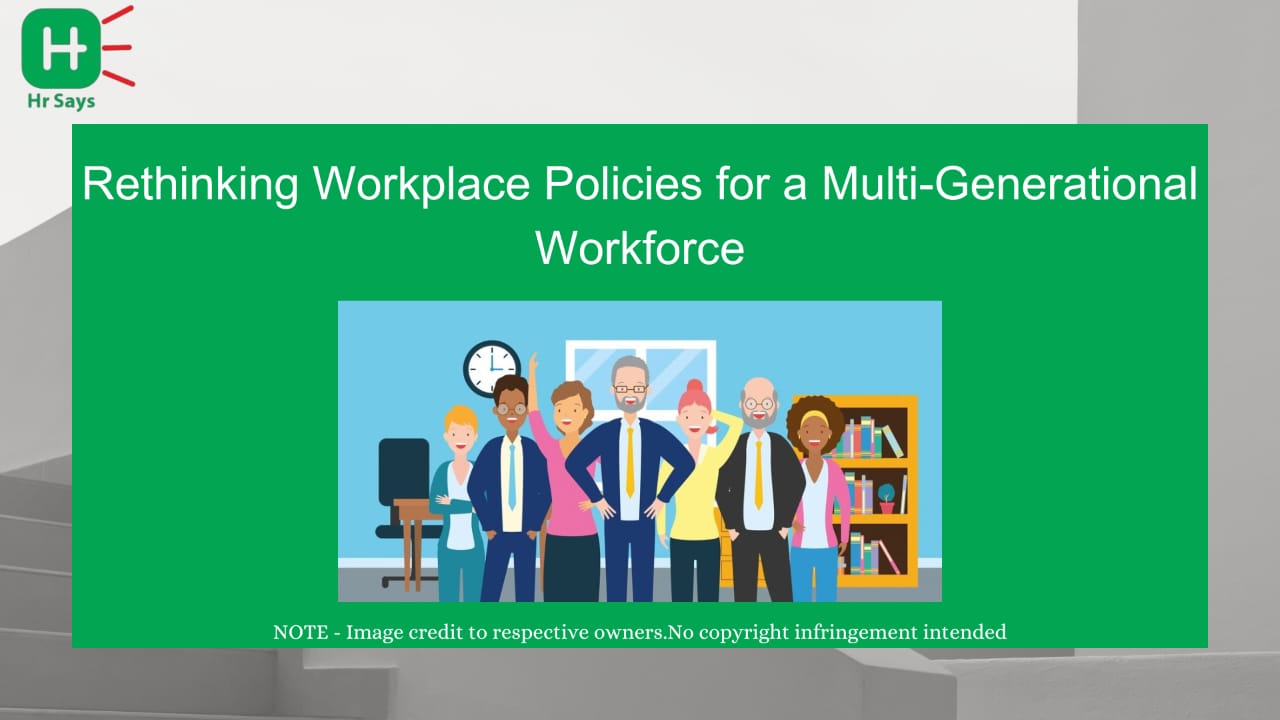
 A multi-generational workforce demands inclusive, flexible, and adaptive workplace policies. By
understanding generational needs and focusing on communication, well-being, and leadership,
organizations can bridge differences and create stronger, more connected teams.
A multi-generational workforce demands inclusive, flexible, and adaptive workplace policies. By
understanding generational needs and focusing on communication, well-being, and leadership,
organizations can bridge differences and create stronger, more connected teams.




Ever thought of how workplaces could equally accommodate the needs of such a variety of workers as Baby Boomers, Millennials and Gen Z all in a single building? However, the contemporary workforce is no longer defined by age but by its combination of experiences, expectations and the changing values of work.
The Changing Face of the Workforce
The current day work environment is no longer governed by a single generation. Rather, it is an active combination of traditionalists who prefer stability, Gen X employees who want independence, millennials who want purpose and Gen Z employees who require innovation. Both of them have different communication styles, motivations, and learning habits. Employers are finding out that old policies of having one size fits all do not work any more.
As organizations shift towards hybrid models and digital tools, understanding generational diversity has become a strategic advantage. By adopting inclusive workplace policies, companies can enhance employee engagement, reduce turnover, and build trust across all age groups.
Understanding Generational Diversity
Before policies are redesigned, it’s vital to understand what drives each generation. While some prefer structured work environments, others seek autonomy and flexibility. Recognizing these patterns helps organizations create balanced systems that cater to all.
● Baby Boomers value loyalty, clear hierarchies, and consistent communication.
● Generation X prefers independence and outcome-based evaluations.
● Millennials prioritize collaboration, purpose-driven work, and growth opportunities.
● Gen Z expects inclusivity, digital integration, and mental well-being support.
These differences, if managed thoughtfully, can turn into strengths that foster innovation and intergenerational learning.
Building Inclusive Workplace Policies
The key to managing a multi-generational workforce lies in flexibility. Policies should be adaptable enough to accommodate varied work styles while maintaining fairness and efficiency.
Flexible Work Arrangements
Flexible schedules and remote options have become vital. While younger employees appreciate autonomy, older workers value stability. A well-designed hybrid policy ensures both comfort and accountability.
Learning and Development Programs
Continuous learning should be accessible for all. Micro-learning modules and mentorship programs can connect generations, helping seasoned professionals share knowledge while younger employees introduce new technologies.
Benefits and Well-being Initiatives
Not everyone prioritizes the same benefits. Some seek health coverage and retirement plans, while others look for mental health support or upskilling opportunities. Offering customizable benefits gives employees a sense of control and value.
Recognition and Communication
Acknowledgment matters differently across age groups. Regular feedback, appreciation programs, and transparent communication channels create a sense of belonging, bridging generational gaps.
The Role of Leadership
Leaders play a crucial role in fostering harmony among generations. They must promote empathy, inclusivity, and open dialogue. Training managers to identify generational strengths and avoid biases can build stronger, more cohesive teams. Effective leadership also means adapting to communication preferences—whether it’s formal meetings or quick digital updates.
The Road Ahead
As workplaces evolve, organizations that embrace diversity and inclusion will stand out. The goal is not to favor one generation over another but to create an environment where every employee feels seen and supported. Policies built on understanding, flexibility, and respect can bridge generational divides and strengthen company culture.
Conclusion
Workplace policies must evolve as fast as the people who shape them. When organizations value generational differences, they don’t just improve productivity—they build workplaces where ideas flow freely, respect grows naturally, and collaboration thrives. The future of work depends on how well we rethink and reshape these foundations today.