 Sunday, September 20, 2026
 Strategic HR focuses on converting people insights into meaningful action. This blog explores how data-driven decisions, aligned with business goals, help HR create lasting organizational impact through thoughtful strategy and practical execution.




Individual information is ubiquitous yet hardly effective. Dashboards are reviewed. Reports are shared. However, decisions tend to remain the same. Strategic HR commences where the observation halts. It begins with insights being converted into action that silently transforms the culture, performance and trust.
The Shift From Operational HR To Strategic HR
HR was formerly regarded as a servicing department. Processes were followed. Policies were enforced. That role is evolving. Strategic HR has turned out to be expected to have an impact on business outcomes.
That transformation can be facilitated by the workforce analytics, employee experience metrics, and altering talent expectations. Compliance is no longer collected singularly on data. It is applicable to make hiring, retention, learning, and leadership decisions.
Information gathering is not the true worth, but rather interpretation.
Insights That Actually Matter
Not all insights deserve attention. Strategic HR focuses on signals that affect people and performance directly.
Some insights that tend to matter more are:
● Patterns behind employee turnover, not just exit numbers
● Engagement drivers, not survey scores alone
● Skills gaps that affect future readiness
● Manager behaviours linked to team burnout or growth
When insights are connected to business priorities, they become actionable. Otherwise, they remain decorative.
Turning Insights Into Action
Insights are wasted if they stay in presentations. Strategic HR is measured by what changes after the insight is shared.
Action often looks simple, but intention matters.
● Hiring criteria may be adjusted based on performance data
● Learning programmes may be redesigned around real skill gaps
● Manager training may be prioritised where attrition risk is higher
● Policies may be refined to support flexibility and wellbeing
These actions are rarely dramatic. Impact is built quietly, over time.
Aligning HR Strategy With Business Goals
Strategic HR does not operate in isolation. Business alignment is essential.
Workforce planning should reflect growth goals. Performance management should support productivity, not paperwork. DEI initiatives should be tied to culture and innovation, not optics.
When HR insights are framed in business language, they are taken seriously. Cost, risk, and growth are understood across leadership. This alignment builds credibility.
The Role Of HR As A Trusted Advisor
Strategic HR requires confidence. Difficult insights must still be shared. Comfort should not dilute truth.
Leaders rely on HR to provide perspective on people impact. This trust is earned through consistency, data-backed recommendations, and ethical judgement.
HR becomes influential when it is seen as thoughtful, not reactive.
Measuring Organizational Impact
Impact should be observed, not assumed. Strategic HR tracks outcomes over time.
Common indicators include:
● Improved retention in critical roles
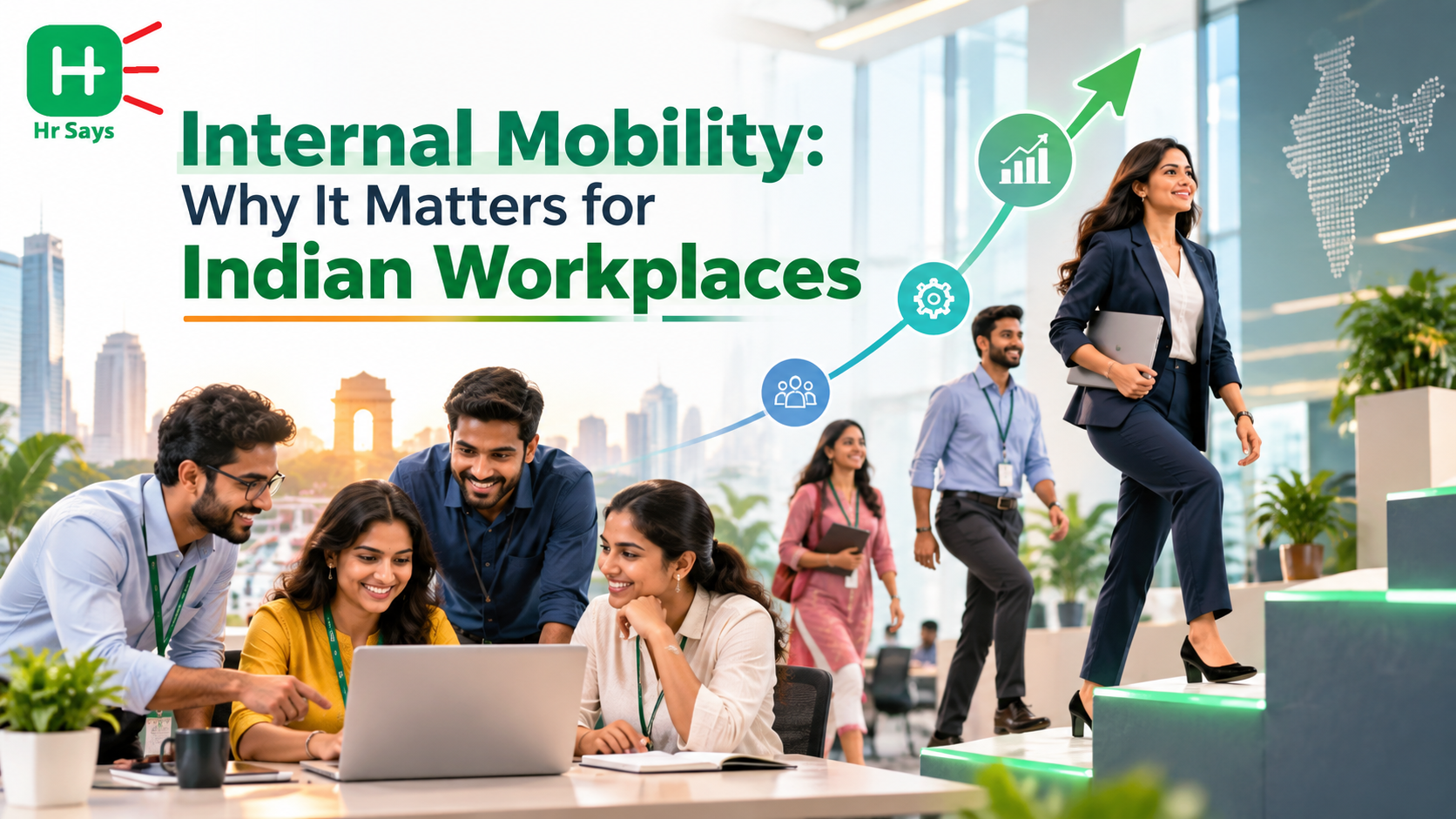
● Stronger internal mobility
● Better manager effectiveness scores
● Healthier engagement trends
These signals confirm whether insight-led actions are working.
Conclusion
Strategic HR is not about doing more. It is about doing what matters. When insights are respected and acted upon, HR becomes a quiet driver of organizational strength. Impact follows intention, clarity, and patience.