 Sunday, September 20, 2026
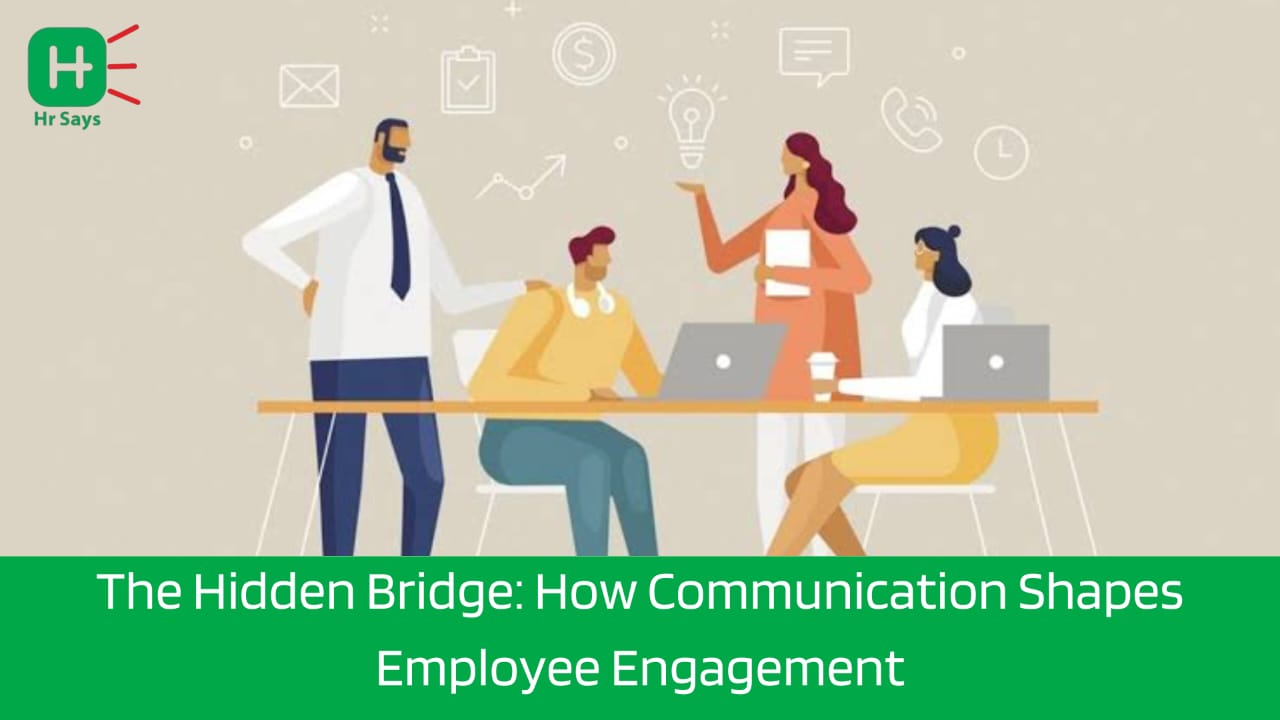
 Communication is the core of employee engagement. Clear, transparent, and two-way conversations build trust, culture, and loyalty. In hybrid workplaces, digital and AI-driven tools will define how HR strategies sustain meaningful engagement.




Why do people remain really interested at work? Sometimes it is not the pay checks alone, benefits or even the promotions. Communication is at the centre of it. By using scarce words, the connection between leaders and employees is made and culture and trust flourish. Any plans, the best strategies, are ruined without it.
Why Communication is the Foundation of Engagement
Any working environment lives by dialogue. Workers do not only desire updates. Their desire is a purpose, an orientation, and a feeling that their voice counts. Interaction begins with a human and not a corporate communication.
● Clear communication reduces confusion
● Honest words create trust
● Timely updates avoid disconnect
● Listening builds belonging
When these elements are missing, disengagement slowly grows. Silence speaks louder than words in such cases.
How Communication Strengthens Employee Engagement Strategies
Communication is not a side task. It is the thread running through every engagement strategy. Without it, recognition feels hollow, and policies look distant. In Indian companies, employee engagement strategies depend on how openly leaders share goals, challenges, and feedback.
Leadership as Communicators
A leader’s voice shapes how teams behave. When leaders share struggles, not just successes, employees feel part of the journey. This makes engagement personal, not procedural.
Feedback as a Two-Way Street
Feedback should not be limited to annual reviews. Continuous, honest conversations keep employees aligned and valued. Silence after efforts only breeds dissatisfaction.
Building Workplace Culture Through Words
Culture is not painted on walls. It is carried in everyday exchanges. In Indian workplaces, where hierarchy often sets the tone, open dialogue helps break barriers. Employees feel respected when their opinions are heard, not just tolerated.
● Daily check-ins encourage openness
● Recognition in meetings builds pride
● Transparent announcements prevent rumors
● Storytelling in communication makes culture real
Strong culture is less about policies and more about how people speak and listen daily.
The Future of Communication in HR
As workplaces shift towards hybrid models, digital platforms become the new meeting rooms. Communication is no longer just face-to-face. HR digital transformation trends 2025 show that technology will shape how employees engage and stay connected.
Role of AI in HR Communication
AI in HR management is not replacing human interaction but supporting it. Automated updates, data-driven insights, and personalized feedback tools help HR managers focus on meaningful conversations.
Communication in Hybrid Work Trends
Hybrid work trends in India highlight the need for structured digital communication. Without it, remote employees risk being left out. Virtual town halls, chat platforms, and digital storytelling will define engagement in this space.
Conclusion
Employee engagement does not grow from policies alone. It grows when communication turns workplaces into communities. Words connect people, shape culture, and make strategies real.
Without communication, engagement remains just an idea. With it, organizations find loyalty and growth.