Sunday, September 20, 2026
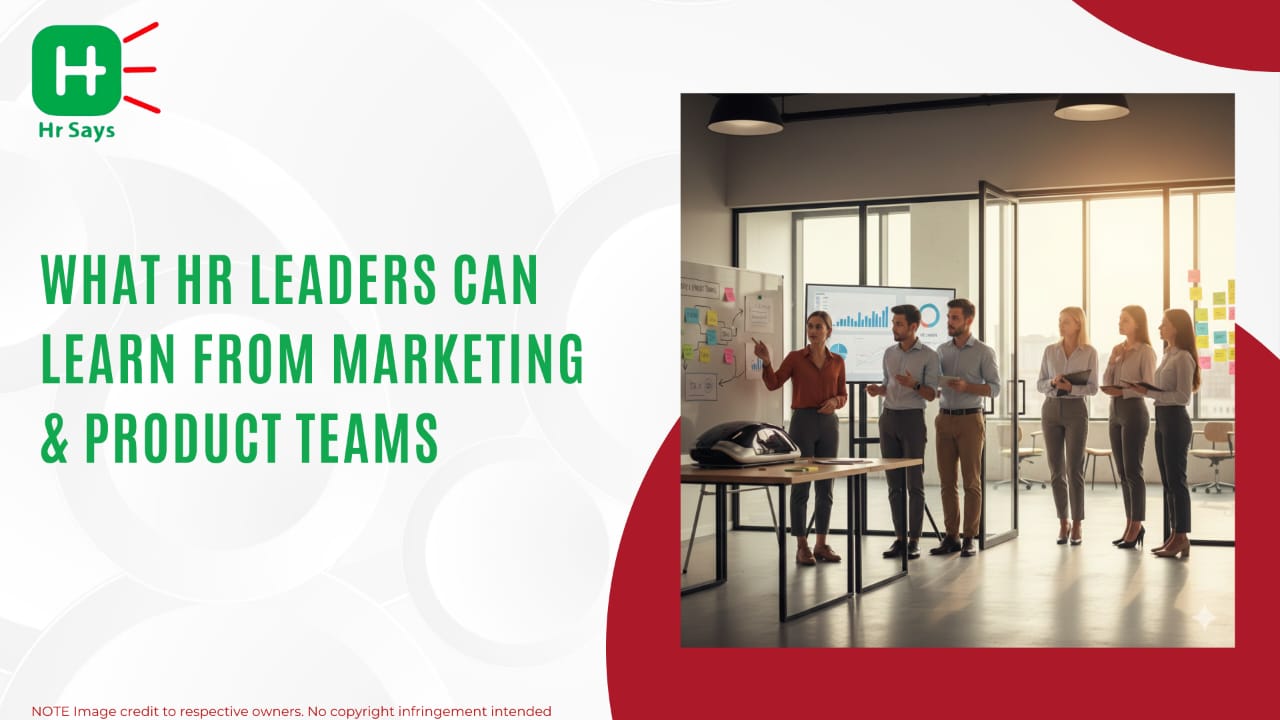
 HR leaders can learn valuable lessons from marketing and product teams by adopting audience-first thinking, product-led experience design, data-informed decisions, and continuous feedback loops. These shifts help create more human, consistent, and effective employee experiences.




Decision making among people is no longer an act of lone ranger. Perception, experience and value delivery create the impression of hiring, engagement and retention. These areas have been mastered by the marketing and product teams to the customers. HR can stolenly use their playbook and change the way work is lived.
Thinking in Terms of Audience, Not Just Employees
Marketing does not always address everybody in the same manner. Personas are built. Messages are shaped. Context is respected. Here, the HR communication tends to fail.
Employee experiences are varied depending on position in life, employee motivation and motivation. One message rarely fits all. As soon as HR engages in audience-first thinking, clarity gains and trust comes.
● Segment employees by needs, not hierarchy
● Personalise internal communication where possible
● Choose channels employees already trust
A simple shift in mindset can reduce disengagement and misalignment.
Employer Branding Is More Than Careers Pages
Marketing understands brand as a lived promise. Product teams ensure the promise holds true after purchase. HR branding should work the same way.
Culture is not what is written. It is what is felt on a Monday morning.
If job descriptions promise growth, internal mobility must exist. If flexibility is marketed, policies should support it.
Consistency between message and experience protects credibility. Without it, attrition quietly grows.
Product Thinking Improves Employee Experience
Product teams obsess over users. Friction is identified. Feedback loops are constant. Iteration is normal. HR processes often remain static for years.
Employees interact with HR systems more than expected. Onboarding portals. Leave tools. Performance frameworks.
When these feel clunky, frustration builds silently.
Applying product thinking means:
● Mapping the employee experience end to end
● Identifying moments of friction
● Improving processes in small, testable steps
Employee experience then becomes intentional, not accidental.
Data Should Guide Decisions, Not Just Reports
Marketing and product teams track behaviour, not just opinions. HR data is often underused or reviewed too late.
Attrition trends. Engagement scores. Time-to-productivity. These signals reveal patterns early.
When data is used proactively, interventions feel timely and thoughtful. When ignored, issues become exits.
Data should inform decisions, not decorate dashboards.
Feedback Is a Continuous Loop, Not an Annual Event
Product launches are followed by feedback. Marketing campaigns are adjusted in real time. HR feedback cycles are still too slow.
Annual surveys capture sentiment, but miss momentum.
Short, regular feedback builds responsiveness and psychological safety. Employees feel heard when action follows quickly.
Listening without acting erodes trust faster than silence.
Collaboration Beats Control
Marketing and product teams thrive on cross-functional collaboration. HR often operates in parallel instead of partnership.
When HR collaborates with business teams early, policies feel practical. When involved late, resistance grows.
Influence works better than enforcement.
HR leaders who position themselves as partners, not gatekeepers, create shared ownership of people outcomes.
Conclusion
HR does not need to reinvent itself. Proven lessons already exist across the organisation. By borrowing customer-first thinking, product discipline, and data-led decision-making, HR can build workplaces that feel relevant, respectful, and resilient.