 Saturday, October 24, 2026
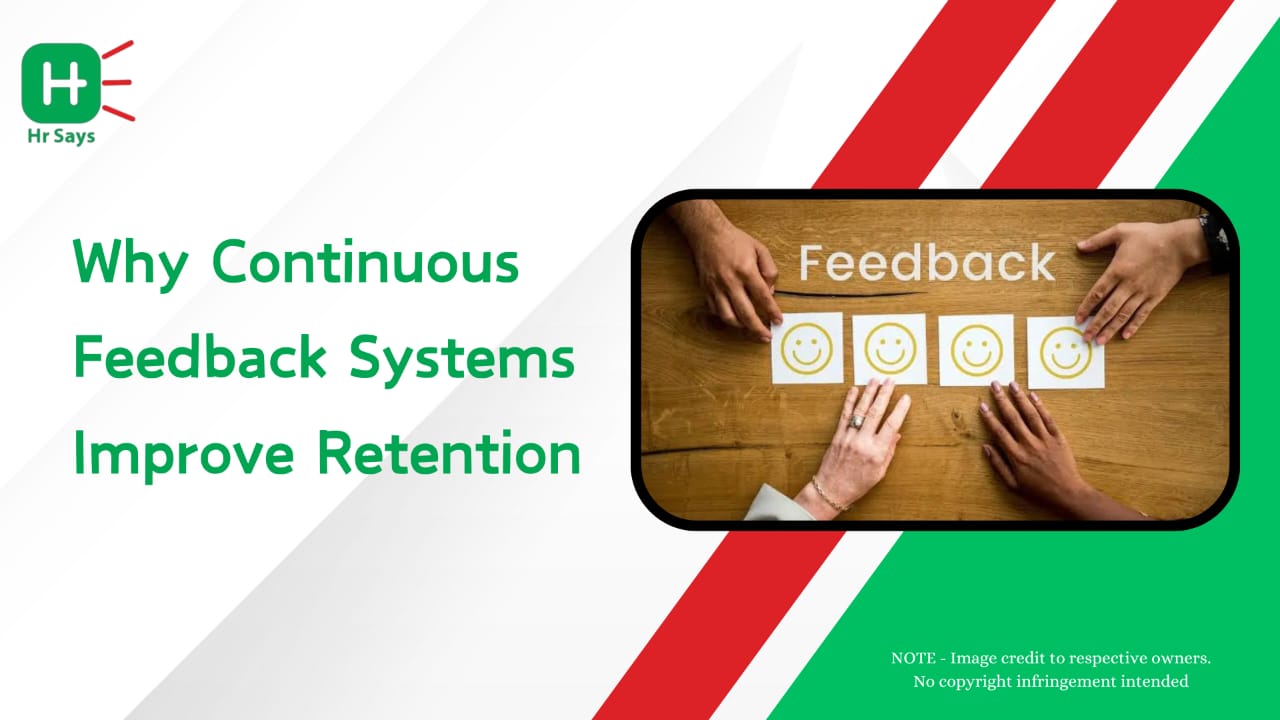
 Continuous feedback systems improve retention by creating clarity, reducing confusion, and
strengthening manager employee relationships. Short, regular check ins build trust, increase
transparency, and help employees feel supported throughout their work cycle.
Continuous feedback systems improve retention by creating clarity, reducing confusion, and
strengthening manager employee relationships. Short, regular check ins build trust, increase
transparency, and help employees feel supported throughout their work cycle.




What would it take to keep your very best employees based on something besides an annual appraisal but a few little backs and forwards that tend to give you your bearings? This question usually causes leaders to go silent, since it takes the emphasis out of the reviews on performance as it rotates towards the actual experience of work in the field. It is precisely what a continuous feedback system does to ensure that employees remain accountable, nurtured, and less inclined to leave by forming a loop of little understood ideas.
Understanding Continuous Feedback Systems
Managers in the present-day world have a hard time comprehending the reason why bright employees would jump ship even when the wages are high. This part leads into the working of a continuous feedback model as a real time method. It is concentrated on the routine interactions, immediate clarity, and straightforward conversations that are impossible to feel coercive.
Continuous feedback has become a trending HR practice because it helps managers stay connected with their teams. Instead of waiting for annual reviews, feedback is shared in small intervals. It builds trust. It reduces confusion. It helps teams stay balanced during fast paced work cycles. When used well, it becomes a core part of employee experience management.
Key elements usually include
• Frequent manager employee check ins
• Performance tracking in real time
• Goal alignment on short cycles
• Skill based feedback that supports growth
Why Retention Improves When Feedback Flows Regularly
This part gives readers a closer look at why consistent feedback matters. A continuous feedback platform does more than track performance. It creates an environment where people feel seen. That often becomes the biggest reason they stay.
Employees tend to remain in workplaces where their work is understood and their growth feels steady. Small feedback loops build clarity. They reduce unnecessary stress. When teams know what is expected, confusion drops, and performance anxiety lowers. Over time, this stability shapes retention.
Some core reasons retention rises include
• Clarity in expectations
• Reduced workplace friction
• Faster conflict resolution
• Stronger connection with managers
• A sense of progress even in busy periods
This system also gives managers a chance to spot burnout early. With regular conversations, changes in mood or output can be noticed quickly. It keeps people from silently struggling. That saves careers. It saves teams too.
How Continuous Feedback Strengthens Workplace Culture
A healthy culture is not built through long documents. It grows through actions. This section helps readers understand how culture shifts when continuous feedback becomes part of the workflow.
Teams often feel safer when communication is open. Feedback shared in short cycles is easier to accept. It does not feel like a verdict. It feels like guidance. This tone makes workplaces calmer. People trust the process more. Leaders become approachable. Misunderstandings fall. A simple rhythm of weekly or biweekly check ins changes how people interact every day.
Modern HR tools now support this process with real time dashboards and quick feedback notes. These tools make tracking progress simple and transparent. When transparency rises, politics reduces. Employees feel respected. That respect becomes a quiet but powerful reason to stay.
The Future of Employee Retention Through Continuous Feedback
This section guides readers toward what comes next. More companies now adopt continuous performance management because employee expectations have changed. People want clarity. They want guidance. They want acknowledgment. Not once a year, but consistently.
As hybrid and remote work expand, continuous feedback becomes even more essential. It keeps distributed teams aligned without pressure. It strengthens communication even when faces are not seen daily. Over time, workplaces that invest in this flow tend to see stronger productivity and better retention numbers.
Continuous feedback is not a trend. It is becoming a standard practice that supports long term engagement.
Conclusion
Continuous feedback systems shape retention by creating steady communication, real time insights, and a supportive work rhythm. When employees receive clear guidance without fear, they stay longer. They grow better. They feel connected. In a world where talent changes jobs fast, such a system keeps stability intact. This approach may not solve every challenge, but it builds a workplace where people feel valued.