 Saturday, October 24, 2026
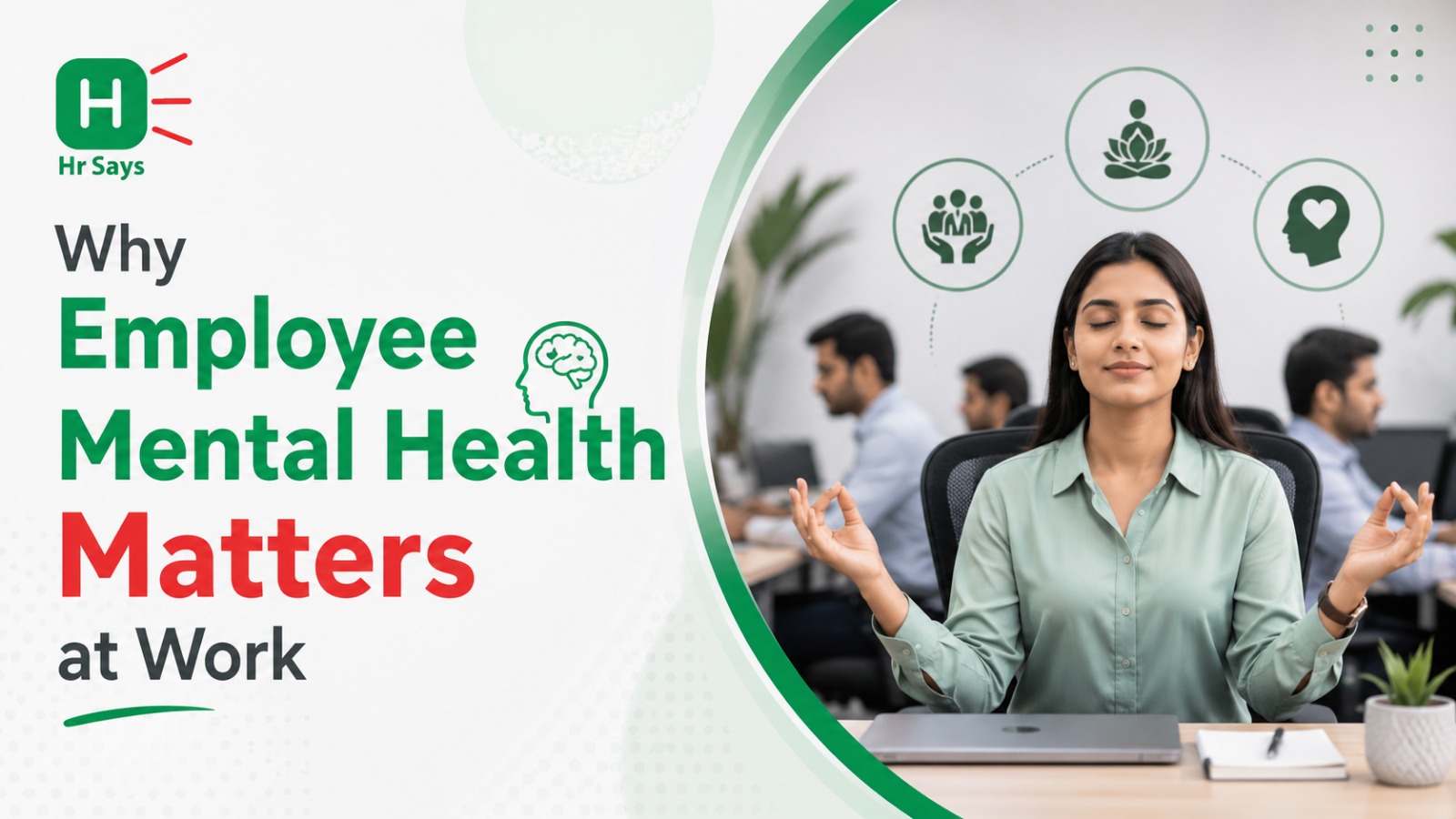
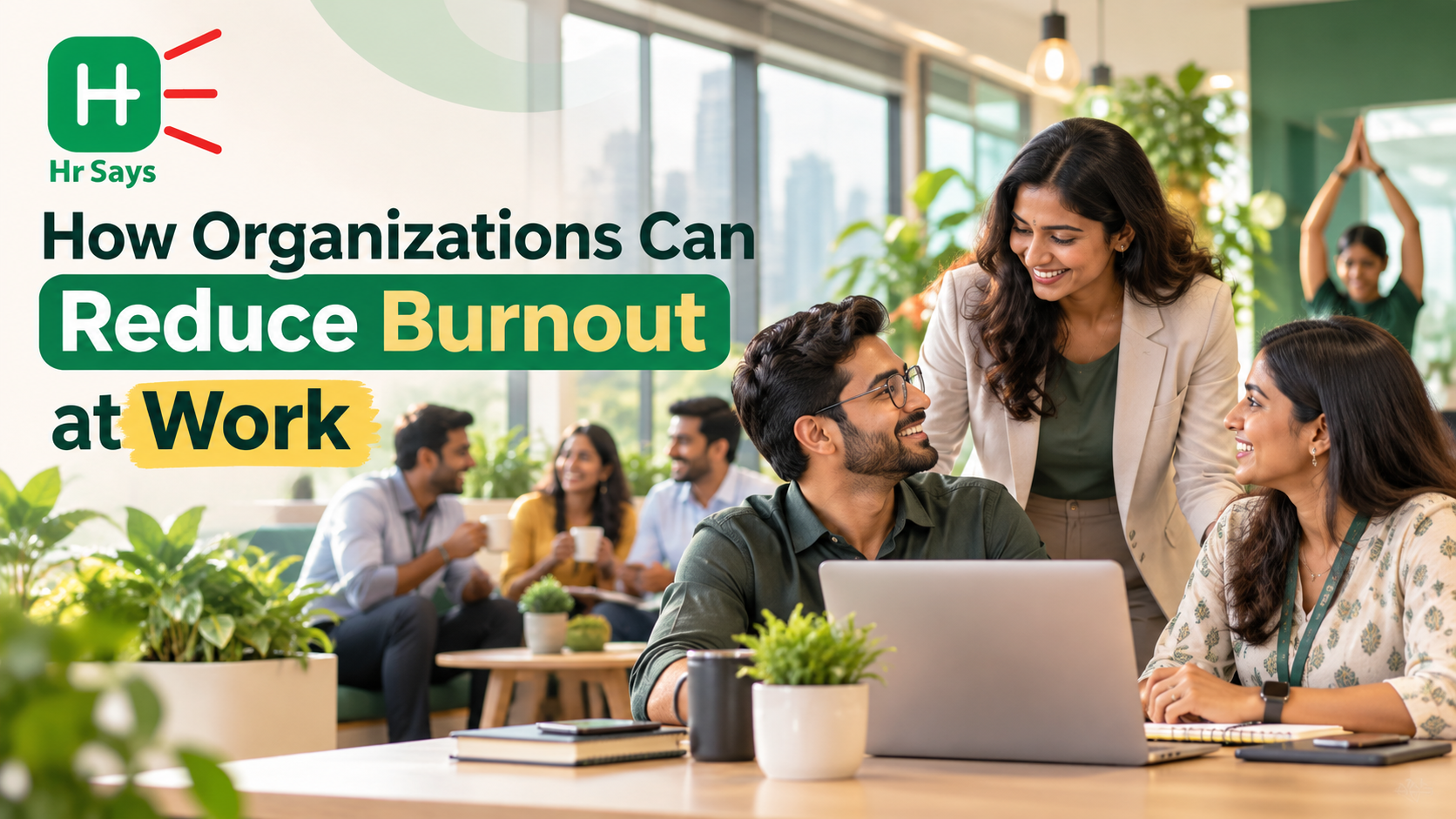
 Employee mental health influences productivity, communication, adaptability, and long-term workplace stability. Building psychologically safe environments and healthier work systems supports sustainable performance, emotional well-being, and stronger organizational culture.




Employee mental health is no longer a side conversation in modern workplaces. It directly affects productivity, decision-making, communication, creativity, and long-term business stability. Many organizations focus heavily on deadlines, targets, and performance metrics while overlooking the emotional and psychological pressure employees carry every day. Over time, this imbalance creates burnout, disengagement, and high turnover. Prioritizing employee mental health is not simply about offering support programs. It is about building a healthier workplace system where people can function sustainably, think clearly, and contribute effectively without constant emotional exhaustion.
The Shift From Productivity-Only Culture to Human-Centered Workplaces
For years, many organizations viewed performance as the ultimate measure of workplace success. Employees were expected to adapt continuously, manage stress privately, and maintain high output regardless of emotional strain. While this model may create short-term results, it often weakens long-term organizational health.
Modern workplaces are now beginning to understand that employee well-being influences every aspect of business performance. A mentally exhausted employee may still appear productive temporarily, but underlying stress eventually affects focus, communication, and motivation. This becomes especially visible in fast-moving industries where constant digital connectivity blurs the boundary between work and personal life.
The change toward human-centered workplaces is happening because organizations are seeing practical consequences of ignoring mental health. Increased absenteeism, quiet quitting, workplace conflict, emotional fatigue, and reduced creativity are no longer isolated issues. They are connected symptoms of unhealthy work environments.
Remote and hybrid work models have also changed how employees experience stress. Many individuals now struggle with isolation, unclear work-life boundaries, and pressure to remain constantly available online. This has expanded the conversation around workplace mental health beyond office culture alone.
Businesses that recognize these shifts early often create stronger employee trust, healthier communication patterns, and more sustainable performance systems.
Why Workplace Stress Builds Gradually Instead of Suddenly
Mental exhaustion rarely appears overnight. In most cases, stress develops slowly through repeated patterns that employees may not immediately notice. Long working hours, unclear expectations, constant multitasking, and lack of recovery time gradually affect emotional balance.
One important reason workplace stress becomes difficult to identify is because high-performing employees often normalize pressure. They continue functioning while mentally overwhelmed, which hides early warning signs from managers and even from themselves.
Common workplace patterns that slowly affect mental health- Continuous digital communication reduces mental recovery time
Many employees now work in environments filled with notifications, emails, instant messages, and virtual meetings throughout the day. Even when work officially ends, mental engagement often continues. This constant stimulation prevents emotional recovery and gradually increases cognitive fatigue over time. - Unclear expectations create silent anxiety and overthinking
Employees perform better when responsibilities and goals are clearly defined. In workplaces where expectations constantly shift without communication, individuals begin second-guessing their performance. This uncertainty often creates internal stress that quietly affects confidence and emotional stability. - Lack of recognition weakens long-term motivation
Employees who consistently contribute without acknowledgment may eventually disconnect emotionally from their work. Recognition is not only about rewards. It reinforces psychological value and creates a sense of belonging within the organization. - Work-life imbalance slowly affects emotional resilience
When employees rarely disconnect from work responsibilities, emotional recovery becomes difficult. Over time, even small challenges begin feeling overwhelming because the mind never receives adequate rest.
Understanding these gradual patterns helps organizations identify problems before they become severe. Prevention is often more effective than attempting to repair long-term burnout later.
How Employee Mental Health Influences Business Performance
Many businesses still separate emotional well-being from operational success, but in reality the two are deeply connected. Employee mental health affects how people communicate, solve problems, collaborate, and adapt under pressure.
A mentally healthy workforce generally performs with greater consistency. Employees are more likely to contribute ideas, participate in discussions, and maintain stable professional relationships. On the other hand, emotionally exhausted teams often experience communication breakdowns, low engagement, and reduced efficiency.
The impact becomes especially visible in customer-facing roles. Employees experiencing emotional strain may struggle with patience, empathy, or responsiveness. This directly influences customer experience and brand perception.
Mental health also affects decision-making quality. Chronic stress limits cognitive flexibility, making it harder for employees to think creatively or evaluate situations calmly. Over time, this can influence innovation and strategic thinking within organizations.
Businesses that prioritize workplace mental health often benefit from:
- Stronger employee retention
- Better team collaboration
- Reduced absenteeism
- More sustainable productivity
- Healthier organizational culture
These outcomes are not simply emotional benefits. They are operational advantages that influence long-term business growth.
The Different Ways Employees Experience Mental Health Challenges
Employee mental health is not experienced equally across all individuals. Different personalities, roles, age groups, and life circumstances influence how workplace stress is processed.
Young professionals entering competitive industries may struggle with performance anxiety and comparison culture. Mid-career employees often balance work responsibilities alongside financial and family pressures. Senior professionals may experience emotional fatigue from leadership demands and constant decision-making responsibilities.
Remote employees may feel isolated despite being digitally connected all day. Employees working in highly competitive environments may hesitate to discuss emotional challenges due to fear of appearing weak or less capable.
Cultural background also influences how individuals respond to workplace pressure. In many professional environments, discussing emotional stress is still viewed as uncomfortable or unprofessional. As a result, employees often internalize problems rather than seeking support.
This variation is important because workplace mental health strategies cannot follow a one-size-fits-all model. Effective support systems require flexibility, emotional awareness, and communication that adapts to different employee experiences.
Why Psychological Safety Is Becoming a Core Workplace Need
Psychological safety refers to an environment where employees feel comfortable expressing concerns, asking questions, and communicating honestly without fear of humiliation or punishment.
This concept has become increasingly important because modern work environments rely heavily on collaboration and communication. Employees who feel psychologically unsafe often avoid sharing ideas, hide mistakes, or remain silent during discussions. Over time, this reduces innovation and weakens team trust.
How psychologically safe workplaces improve employee well-being- Open communication reduces emotional isolation at work
Employees who feel heard are less likely to internalize stress silently. Honest communication creates emotional support within teams and helps individuals feel less alone during difficult periods. - Supportive leadership encourages healthier problem-solving
Managers who respond calmly to mistakes or concerns help employees approach challenges with confidence instead of fear. This reduces anxiety-driven behavior and improves learning within teams. - Collaborative cultures improve workplace resilience
Teams that support each other emotionally often adapt better during periods of pressure or uncertainty. Shared responsibility reduces individual emotional overload. - Employees become more engaged when trust exists
People contribute more effectively when they believe their voice matters. Psychological safety strengthens participation, creativity, and workplace satisfaction over time.
Organizations that invest in psychologically safe environments often experience healthier communication and stronger long-term employee loyalty.
The Connection Between Mental Health and Workplace Adaptability
Modern workplaces evolve rapidly. Technology, market conditions, and work structures continue changing faster than before. Employees are constantly expected to learn new systems, adapt to digital tools, and manage uncertainty.
Mental health plays a major role in how effectively people adapt to these changes. Employees experiencing chronic stress often resist change more strongly because emotional exhaustion reduces mental flexibility.
This is particularly relevant in industries undergoing digital transformation. Constant adaptation without emotional support can eventually create resistance, frustration, and disengagement.
Organizations that support mental well-being during periods of change usually experience smoother transitions because employees feel more emotionally secure. Adaptability becomes easier when people are mentally supported rather than emotionally overwhelmed.
Why Prevention Matters More Than Crisis Management
Many organizations still respond to employee mental health only after problems become severe. However, prevention-based approaches are usually more effective and sustainable.
Healthy workplace systems reduce the likelihood of burnout before it develops. Flexible schedules, realistic workloads, supportive leadership, and healthy communication practices create environments where employees can maintain emotional balance consistently.
Preventive approaches also reduce stigma around workplace mental health. When organizations openly discuss emotional well-being as part of normal workplace culture, employees feel safer acknowledging challenges earlier.
This proactive mindset shifts mental health from being viewed as an emergency issue to being recognized as an essential part of organizational sustainability.
Building a Workplace Culture That Supports Mental Well-Being
Creating a mentally healthier workplace does not require dramatic corporate campaigns. Small, consistent changes often create the strongest long-term impact.
Organizations can improve workplace mental health by encouraging healthier communication, reducing unnecessary pressure, and allowing employees realistic recovery time. Leadership behavior is especially influential because employees often mirror workplace expectations set by managers.
Healthy work culture also involves respecting boundaries. Employees who feel pressured to remain constantly available often struggle to recover mentally from daily stress.
Most importantly, organizations should view employee mental health as part of long-term business strategy rather than temporary workplace trends. Sustainable performance depends heavily on emotional sustainability.
Conclusion
Employee mental health should be a priority because it directly influences how people think, communicate, adapt, and perform within modern workplaces. Healthy employees contribute more consistently, collaborate more effectively, and build stronger workplace cultures over time.
Organizations that invest in mental well-being are not simply improving employee satisfaction. They are strengthening long-term business stability, communication, productivity, and trust. In modern work environments, sustainable success increasingly depends on creating systems where people can perform well without sacrificing emotional health.
Frequently Asked Questions (FAQs)
1. Why is employee mental health becoming more important in modern workplaces?Employee mental health has become more important because work environments are now faster, more connected, and mentally demanding than before. Constant digital communication, pressure to perform, and blurred work-life boundaries affect emotional well-being over time. Building healthier systems through workplace well-being strategies and better emotional resilience helps employees function more sustainably.
2. How does poor mental health affect workplace productivity?Poor mental health often reduces focus, communication quality, and decision-making ability. Employees may appear physically present but mentally disengaged, which affects collaboration and performance. Supporting healthy work culture practices and improving psychological safety helps maintain long-term productivity more effectively.
3. What are the early signs of employee burnout at work?Early signs of burnout include emotional exhaustion, lack of motivation, irritability, and difficulty concentrating. Employees may also become withdrawn or less engaged in teamwork. Recognizing these patterns early through better mental wellness awareness and supportive workplace communication habits helps prevent deeper stress accumulation.
4. How can businesses support employee mental health naturally?Businesses can support employees by creating realistic workloads, encouraging healthier communication, and respecting personal boundaries. Flexible work systems and emotionally supportive leadership also make a significant difference. These approaches improve employee well-being and strengthen work-life balance practices over time.
5. Why do remote employees experience mental fatigue differently?Remote work changes how people experience stress because digital interaction often replaces social connection. Many remote employees struggle with isolation, overworking, or difficulty disconnecting mentally after work hours. Encouraging healthy digital work habits and supporting emotional balance at work helps reduce long-term fatigue.
6. What role does leadership play in workplace mental health?Leadership strongly influences how employees experience pressure and communication. Supportive managers create environments where employees feel safe discussing challenges without fear of judgment. This improves psychological safety and encourages stronger team trust and workplace stability.
7. How does workplace culture influence emotional well-being?Workplace culture affects how employees communicate, recover from stress, and interact with others daily. High-pressure cultures with little support often increase anxiety and emotional exhaustion. Building supportive workplace systems and promoting mental health awareness helps employees feel more secure and engaged.
8. Why do high-performing employees often hide stress?High-performing employees frequently normalize pressure because they associate productivity with personal value. Many continue functioning while emotionally exhausted, making stress harder to identify early. Encouraging open workplace conversations and stronger employee support environments helps reduce silent burnout patterns.
9. How can organizations improve psychological safety at work?Organizations improve psychological safety by encouraging respectful communication, accepting feedback calmly, and reducing fear-based management styles. Employees become more confident sharing ideas and concerns when trust exists. This strengthens both collaborative work culture and employee emotional resilience.
10. Why should employee mental health be viewed as a long-term business strategy?Employee mental health directly affects retention, creativity, communication, and adaptability within organizations. Businesses that prioritize emotional well-being often build healthier and more sustainable teams over time. Investing in workplace mental wellness and healthy organizational culture supports stronger long-term business performance.