 Saturday, October 24, 2026
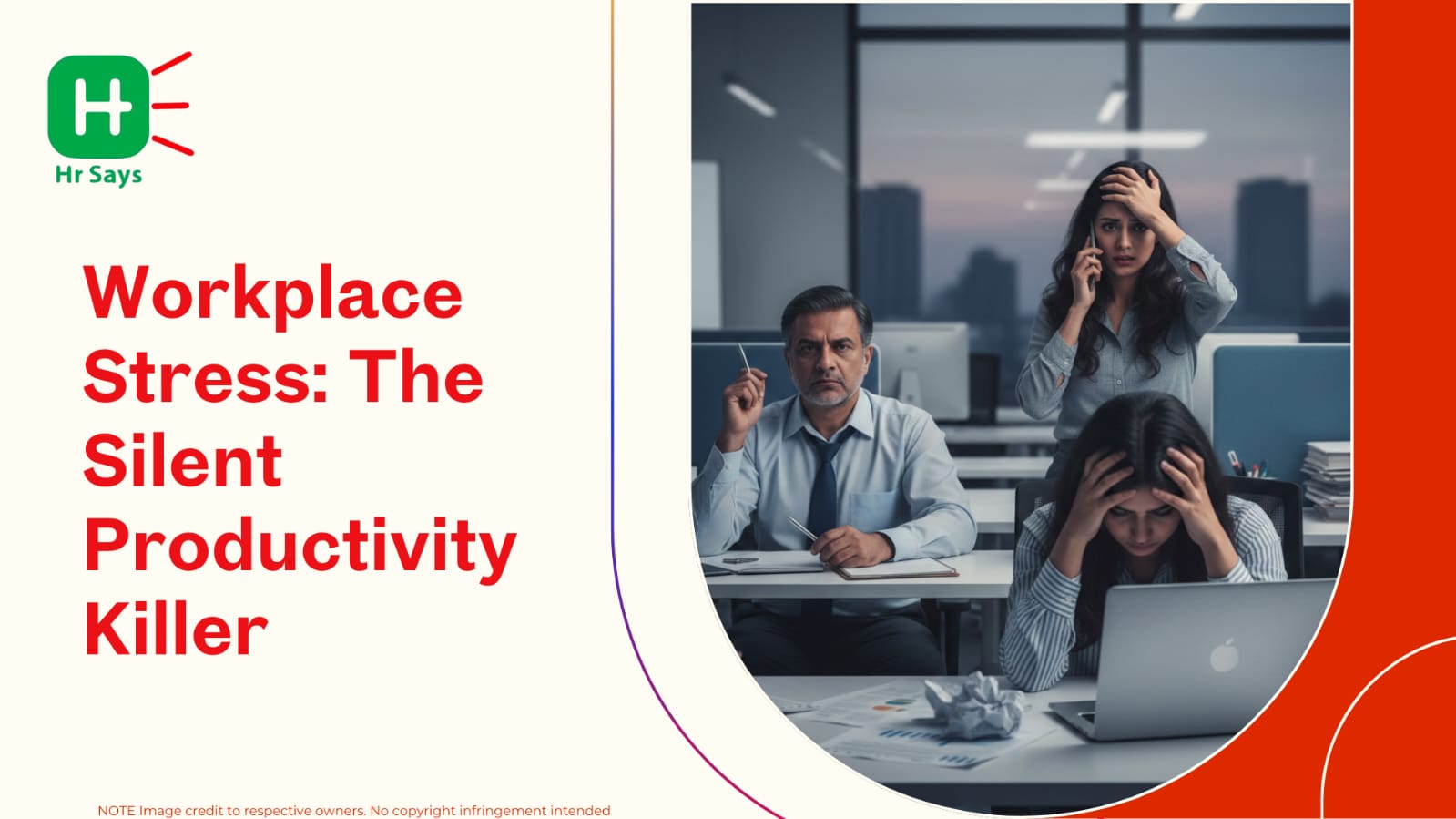
 Workplace stress quietly reduces productivity, engagement, and innovation. When unmanaged, it leads to burnout and turnover. By prioritizing mental health, clear communication, and sustainable performance strategies, organizations can protect both employee well being and long term business growth.




It hardly starts off with a breakdown. It starts quietly. A skipped lunch. A text message that is heavier than normal that is unread. A meeting where it is more of give than take. With time, the stress at the workplace establishes itself not with a bang, but gradually, in a manner that creates an impact on performance, morale, and well being.
When Pressure Becomes the Default Setting
Deadlines are tightened. Expectations are raised. Notifications continue to blink. What used to be termed ambition gradually starts to exhaustion. High performance culture is a phenomenon that is acclaimed in most modern organizations but the emotional cost is mostly disregarded.
Workplace stress is not always dramatic. It is subtle. Energy levels are reduced. Focus is fragmented. Sleep is disturbed. Productivity metrics may appear stable for a while, but beneath the surface, cognitive fatigue builds.
In remote work environments, boundaries are blurred. Work from home flexibility was expected to improve work life balance. Instead, digital burnout has quietly increased. Screens are rarely switched off. Availability is assumed.
Common workplace stress triggers include:
● Unrealistic deadlines and workload imbalance
● Poor communication or unclear expectations
● Lack of recognition or growth opportunities
● Job insecurity and performance anxiety
● Limited autonomy in decision making
When stress becomes chronic, employee engagement is lowered. Absenteeism may increase. Creativity declines. Decisions are rushed. Mistakes multiply. The organization pays for what it ignores.
How Stress Erodes Productivity Over Time
Productivity is often measured in output. Emails sent. Targets achieved. Hours logged. Yet true productivity is driven by clarity, focus, and sustainable energy.
Under prolonged stress, the brain operates in survival mode. Attention span is shortened. Problem solving ability is weakened. Collaboration becomes strained. Emotional intelligence is reduced.
The cost is not just emotional. It is strategic.
Impact on Mental Health
Mental health in the workplace has become a central HR priority. Anxiety, irritability, and emotional exhaustion are frequently reported in employee wellness surveys. When mental resilience is depleted, even simple tasks feel overwhelming.
Over time, burnout may develop. It is characterized by:
● Emotional exhaustion
● Cynicism toward work
● Reduced professional efficacy
These symptoms are often misinterpreted as lack of motivation. In reality, they are signals of prolonged stress exposure.
Impact on Organizational Growth
High employee turnover is rarely accidental. Retention strategies often fail when workplace culture is not examined. Talented professionals leave environments where psychological safety is missing.
Innovation is also affected. Risk taking requires mental space. Creative thinking requires calm focus. When teams operate under constant pressure, only immediate survival tasks are prioritized.
In competitive markets, sustainable productivity has become a leadership responsibility.
Building a Healthier, More Productive Workplace
Workplace stress cannot be eliminated entirely. Pressure is part of growth. However, it can be managed intentionally.
Practical strategies that support employee well being include:
● Setting realistic deadlines and clear performance metrics
● Encouraging flexible work policies with defined boundaries
● Providing mental health resources and counseling support
● Promoting open communication and feedback culture
● Recognizing effort, not just outcomes
Leaders play a critical role. When managers model balanced behavior, it is normalized across teams. When rest is respected, productivity improves.
On an individual level, small practices can reduce daily strain:
● Structured work schedules
● Regular screen breaks
● Prioritized task lists
● Mindfulness or breathing exercises
Stress management is not a luxury. It is a productivity strategy. When employees feel supported, engagement increases. When psychological safety is strengthened, innovation follows.
The silent productivity killer can be addressed. It requires awareness, accountability, and consistent action. Sustainable success is built not on pressure alone, but on balanced performance.