 Sunday, September 20, 2026
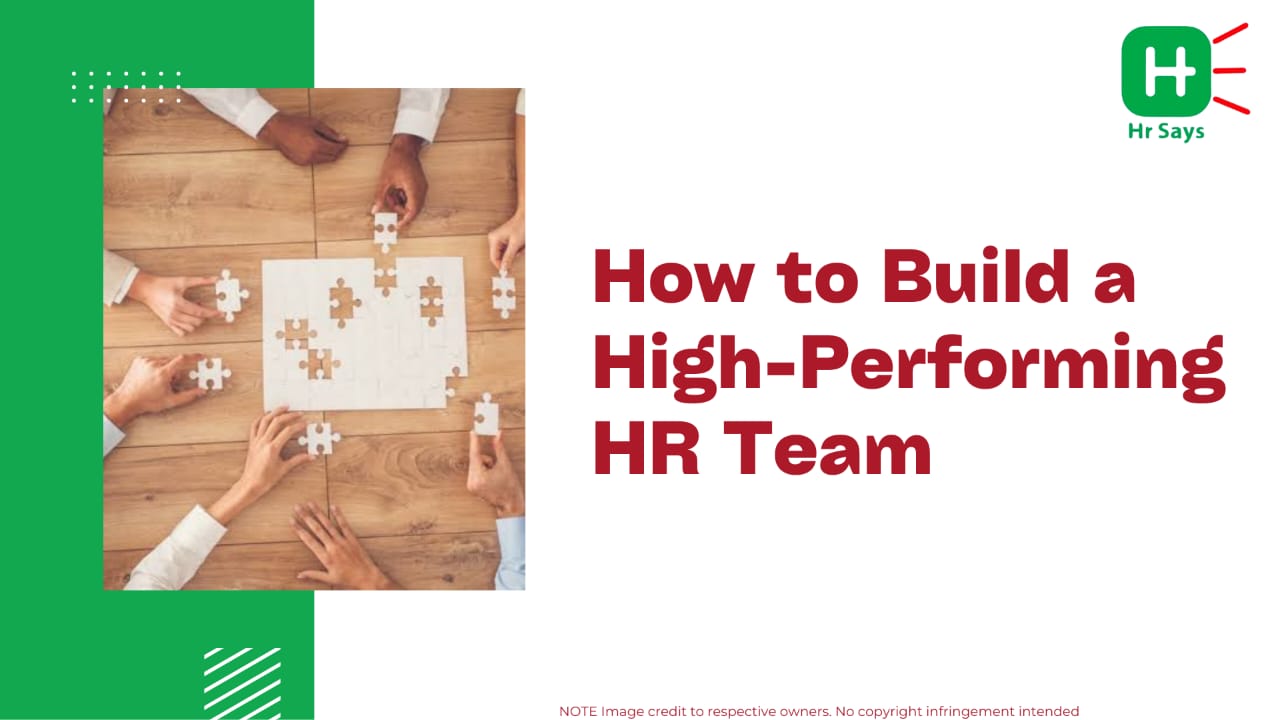
 This blog explains how strong HR teams develop through structure, clarity, collaboration, and
continuous capability building. It highlights practical steps, trending HR focus areas, and culture
factors that support sustainable team performance.
This blog explains how strong HR teams develop through structure, clarity, collaboration, and
continuous capability building. It highlights practical steps, trending HR focus areas, and culture
factors that support sustainable team performance.




The HR team cannot be developed in a short period of time. It is influenced by focus, organization and people first attitude. It is an easy to follow guide that takes simple and practical steps that assist HR teams operate with focus and impact.
Understanding the Core of HR Performance
Alignment is the basis of good HR performance. In cases where teams understand their intention, their implementation is more acute. The current HR operations are based on data-driven hiring, employee engagement approaches, and nimble HR operations.
Key Foundations
● Clear understanding of organizational goals
● Defined roles across HR functions
● Strong communication loops
● Measurable HR metrics and insights
Why It Matters
A well-structured HR team supports retention, culture, and talent development. It also enables fast decision making in a competitive hiring environment.
Building the Right Structure
The structure of an HR team influences how well it functions. Teams perform better when workflows stay simple and responsibilities remain visible.
Essential HR Roles
H3 Recruiters bring strong sourcing skills that support talent pipelines.
H3 HR Generalists manage daily operations that keep the workplace stable.
H3 HR Business Partners align people strategies with business needs.
H3 Learning and Development Specialists drive capability building.
Workflow Clarity
Teams operate with better focus when processes become predictable. Task ownership becomes clear. Confusion reduces. Productivity rises.
Developing Skills and Capabilities
A high-performing HR team depends on continuous skill growth. HR trends shift quickly. Talent intelligence, digital HR tools, and compliance updates shape modern operations.
Critical Capability Areas
● Data literacy for analytics driven decisions
● Strong communication across all levels
● Problem solving for employee relations
● Knowledge of HR technology and automation
Practical Steps
Teams benefit from regular training cycles. Peer learning circles create shared knowledge. Clear improvement plans help members grow with purpose.
Creating a Culture of Trust and Accountability
Culture shapes performance. HR teams grow stronger when trust becomes visible. Accountability keeps work grounded.
Building Trust
Open conversations create psychological safety. Feedback becomes easier. Mistakes are handled constructively.
Strengthening Accountability
Defined goals guide performance. Regular check ins help track progress. Recognition builds ownership and commitment.
Driving Collaboration Across the Organization
High performing HR teams stay connected to business outcomes. Collaboration with leadership,
managers, and employees keeps HR strategies relevant.
Ways to Improve Collaboration
● Participate in business reviews
● Support managers with clear tools
● Use HR dashboards for transparency
● Encourage cross functional communication
Conclusion
High performing HR teams emerge through clarity, skills, structure, and trust. The shift takes time. Small improvements built consistently create long term performance and impact that benefits the whole organization.