Sunday, September 20, 2026
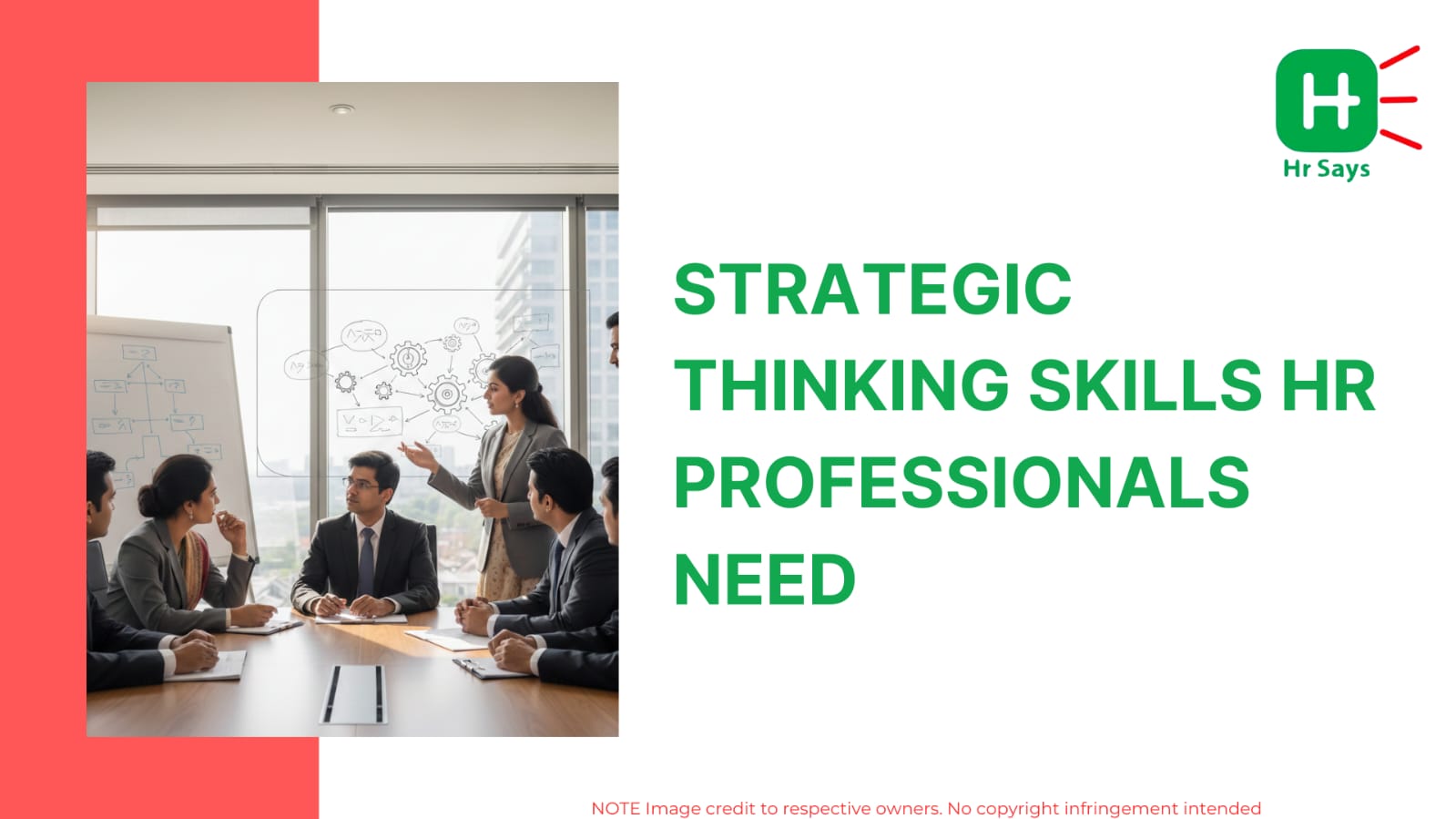
 Strategic thinking skills help HR professionals align people decisions with business goals.
Through data use, workforce planning, stakeholder influence, and change management, HR
can drive sustainable value and long-term organizational success.
Strategic thinking skills help HR professionals align people decisions with business goals.
Through data use, workforce planning, stakeholder influence, and change management, HR
can drive sustainable value and long-term organizational success.




Strategic HR thinking is no longer considered as an option. Individual choice has become closely entangled with corporate performance. HR practitioners are progressively anticipated to look in advance, bring the talent into focus and help administration navigate uncertainty with intellect and insight.
Understanding The Business Beyond HR
The strategic HR thinking commences with business awareness. The HR decision-making no longer does not revolve around policies and compliance.
Reading Business Signals
Market trends, revenue pressures, and growth plans must be understood clearly. When business priorities are known, workforce strategies are shaped with purpose rather than reaction.
Aligning People With Strategy
Hiring, learning, and performance systems are most effective when they support long-term goals. HR value is strengthened when people plans reflect where the organization is headed.
Data-Driven Decision Making In HR
Intuition alone is no longer enough. Strategic HR functions are being built on data-backed insights.
Using Workforce Analytics
Attrition trends, engagement scores, and productivity metrics help risks and opportunities to be identified early. Decisions feel more credible when numbers support them.
Translating Data Into Action
Data is useful only when interpreted well. Insights must be converted into clear actions that leadership can understand and support.
Long-Term Workforce Planning Skills
Strategic thinking requires looking beyond immediate hiring needs.
Anticipating Future Skill Gaps
Changing technologies and roles demand proactive skill planning. Upskilling and reskilling strategies are more effective when future needs are anticipated early.
Building Talent Pipelines
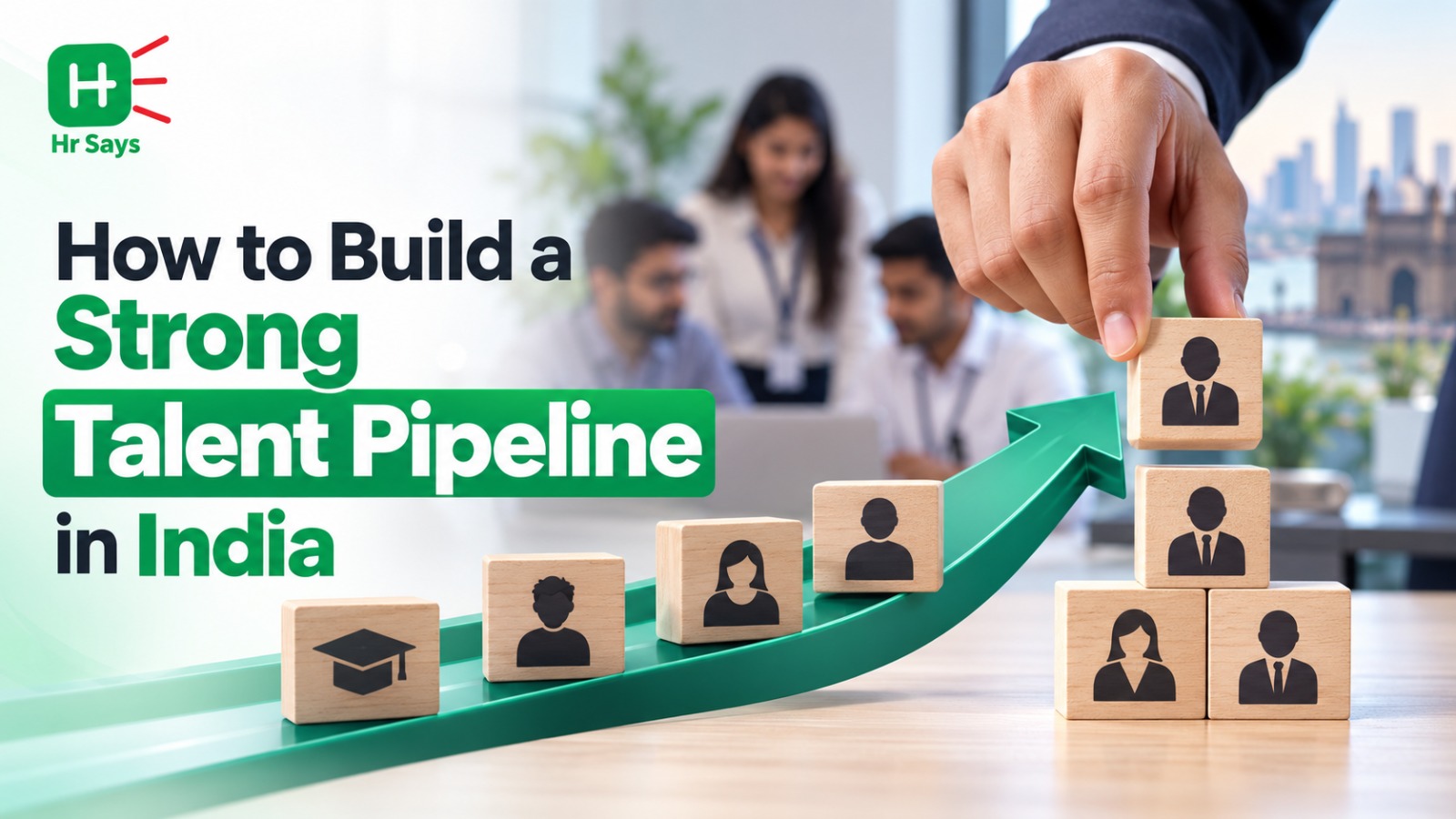
Succession planning and internal mobility reduce dependency on external hiring. Stability is created when talent continuity is planned in advance.
Stakeholder Management And Influence
HR strategy succeeds only when trust is built across the organization.
Partnering With Leadership
Business leaders expect HR to act as a thought partner. Recommendations are valued more when they reflect business realities and people impact together.
Managing Multiple Expectations
Employees, managers, and leadership often want different outcomes. Strategic balance is achieved when priorities are negotiated with clarity and empathy.
Change Management As A Core Skill
Organizations are constantly evolving. HR often becomes the bridge during transitions.
Leading Through Change
Clear communication and structured processes reduce resistance. People respond better when change feels guided rather than imposed.
Managing Organizational Agility
Flexible policies and adaptive mindsets help organizations respond faster. Strategic HR supports agility without creating confusion.
Critical Thinking And Problem Framing
Not every problem requires an immediate solution.
Asking The Right Questions
Root causes are identified when assumptions are challenged. Better outcomes are achieved when problems are framed correctly from the start.
Avoiding Short-Term Fixes
Quick solutions may offer relief but create long-term issues. Strategic thinking encourages sustainable decisions over temporary comfort.
Conclusion
Strategic thinking in HR is shaped through awareness, analysis, and intentional action. When people strategies are aligned with business direction, HR evolves from support function to strategic partner with measurable impact.