 Thursday, October 01, 2026
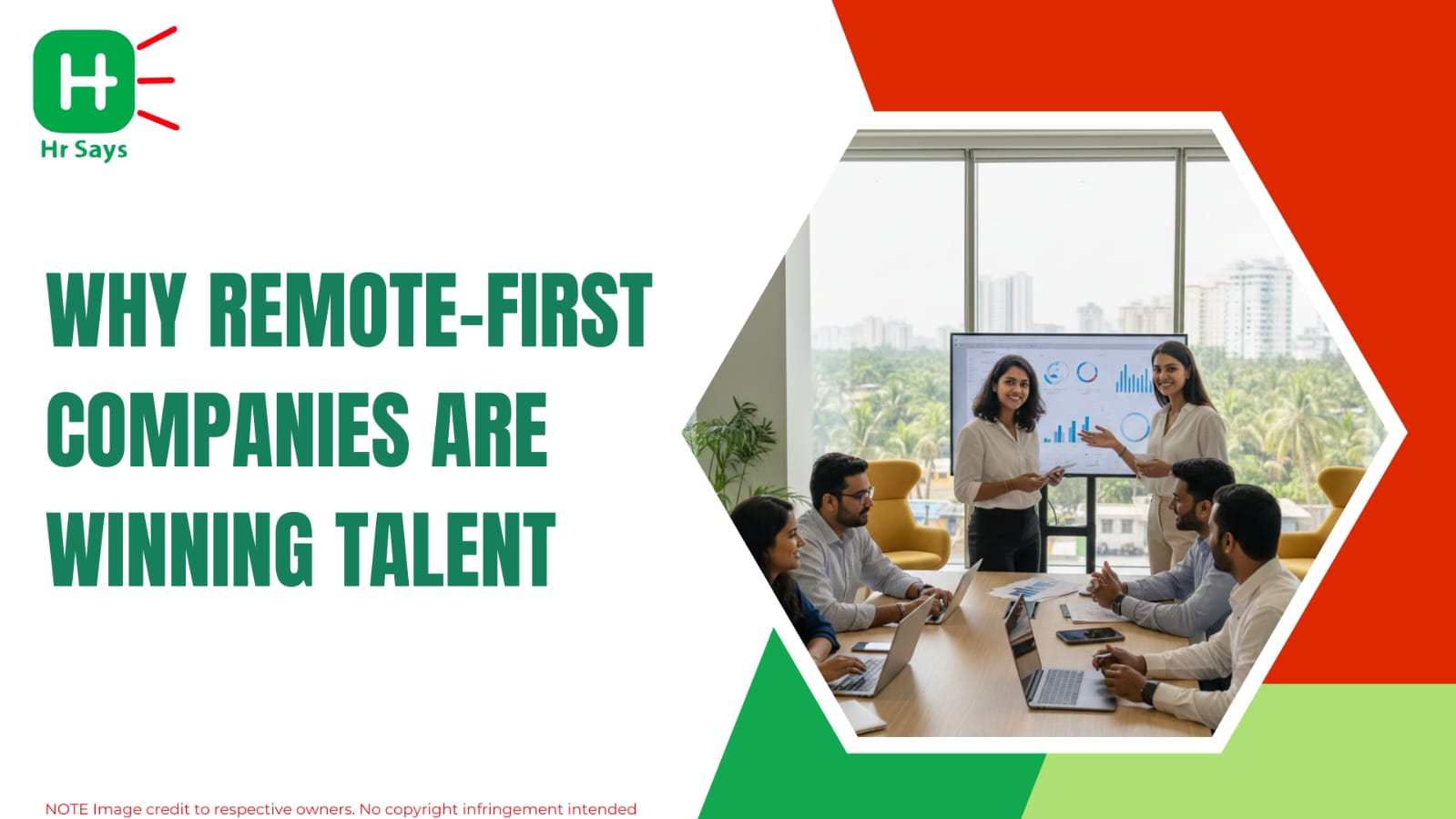
 Remote-first companies are attracting talent by prioritising flexibility, trust, and global access. Through people-centric structures and outcome-based work models, hiring has been reshaped into a more sustainable and competitive process.




The imagining of work has slipped under the carpet. Offices no longer are the place of ambition. The careers have been changed so as to be formed around autonomy, balance, and trust. Remote-first companies are not accommodating only in this shift. The modern intelligentsia is picking them out, that is, time and again.
The Shift From Office-Centric To People-Centric Work
There was a time when work was organized in terms of buildings, desks, and discomfortable schedule. That is a structure that is being challenged. Talent is getting attracted to organisations where performance is more important than attendance.
Remote-first companies are constructed in such a way. Policies have been drafted with employees operating everywhere. Flexibility is not an exception, but a default positioning of systems. Subsequently, the work is less limiting and is more sustainable.
Global employment trends, technological platforms of teamwork and evolving staff demands have expedited this move. The concept of freedom is no longer considered as a privilege. It is being considered as a normalcy.
Access To A Global Talent Pool
When location is removed as a barrier, opportunity expands on both sides. Companies are no longer limited to local candidates. Skilled professionals are no longer forced to relocate or compromise.
This approach allows roles to be filled based on ability, not geography. Diverse perspectives are brought in naturally. Teams are strengthened through varied cultural and professional experiences.
For talent, this means access to better roles, fairer pay discussions, and global exposure without physical disruption. For employers, stronger matches are being made, leading to longer retention.
Flexibility As A Competitive Advantage
Flexibility has become one of the most searched employment benefits. In remote-first environments, flexibility is embedded into daily operations.
Work hours are often structured around outcomes rather than fixed schedules. This allows personal routines to be respected. Burnout risks are reduced. Productivity is often improved, not forced.
Key aspects valued by talent include:
● Control over work schedules
● Location independence
● Better work-life integration
● Reduced commuting stress
When flexibility is normalised, trust is built. That trust is noticed and valued by high-performing professionals.
Cost Efficiency Without Quality Loss
Remote-first models reduce overhead costs related to office spaces, utilities, and physical infrastructure. These savings are often
redirected into better salaries, learning opportunities, and employee benefits.
From a talent perspective, personal expenses are also lowered. Daily commuting costs, relocation stress, and city-based living pressures are eased.
This balance creates a practical, mutually beneficial system where quality is maintained without unnecessary spending.
Culture Is Being Built Differently
A common assumption is that culture requires physical proximity. Remote-first companies challenge this idea. Culture is being built through communication, clarity, and shared values rather than office rituals.
Clear documentation, transparent leadership, and intentional collaboration practices are prioritised. Employees are included through purpose, not proximity.
When culture is designed consciously, it often feels more inclusive and less performative.
The Future Of Work Is Already Here
Remote-first work is no longer experimental. It has been tested, refined, and adopted at scale. As digital skills rise and employee priorities evolve, this model continues to gain credibility.
Talent is choosing environments where autonomy is respected and performance is measured fairly. Companies that recognise this shift are not struggling to hire. They are being sought out.