 Thursday, October 01, 2026
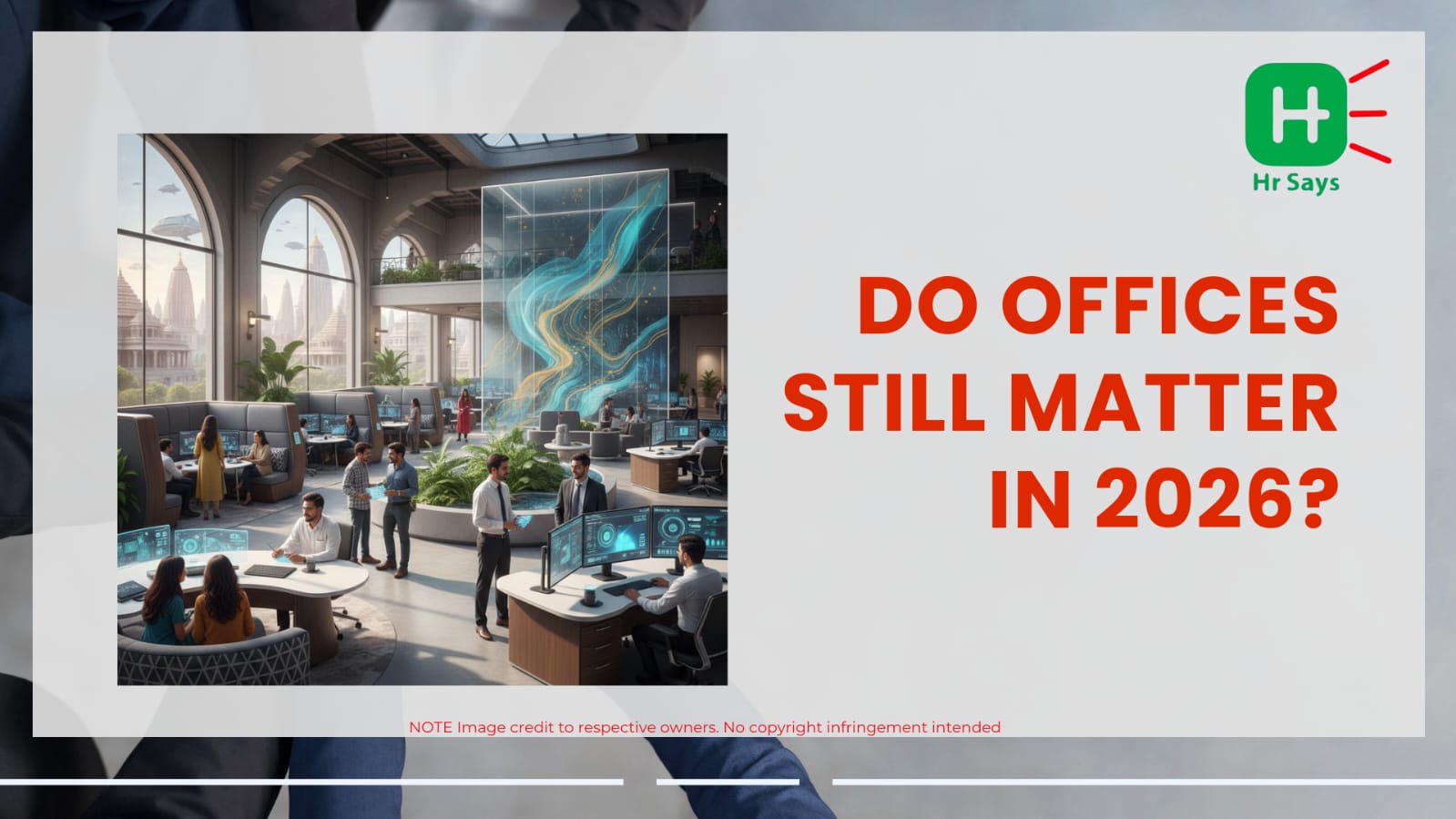
 Offices in 2025 have shifted from mandatory spaces to purposeful environments. Their relevance depends on collaboration needs, culture building, and employee choice. Flexible, hybrid models have reshaped how and when offices are used.




Everyone does not have to make a commute to work adn dining tables are now desks, conferences have been switched to a screen and flexibility has become the new standard. However, offices have not vanished. It has just been their role, redefined, restructured and transformed in a muted manner.
The Shift That Changed Everything
Remote work had been viewed as a privilege. It has become a norm in most industries. Decision making is more focused on work life balance, autonomy in the productivity, and wellbeing of the employees. Simultaneously, the concept of a single and permanent place of work has been relaxed. Working is being done at homes, coworkings, cafes and even offices. This change has not eliminated offices but their pre-eminence has been diminished.
Why Offices Still Exist
Despite flexibility, offices continue to be maintained for specific reasons. Their value is no longer measured by daily attendance but by purpose.
Collaboration That Happens Faster
Certain conversations are resolved more easily in person. Brainstorming sessions, creative planning, and complex problem solving are often supported by shared physical space. Energy is exchanged more naturally when people are present together
Culture Is Easier to Feel
Company culture is difficult to explain but easy to sense. Offices are often used to reinforce values, norms, and identity. New hires are introduced to teams, rituals are observed, and informal learning is absorbed without effort.
Boundaries Are Created
For some employees, separation between work and personal life is protected by an office. Focus is supported, distractions are reduced, and routines are stabilised. This structure is still preferred by many.
Why Offices No Longer Feel Essential
The reasons offices are being questioned are equally strong. Convenience and control have become major priorities. ● Commute time is avoided and energy is conserved
● Productivity is measured by outcomes, not presence
● Hiring is done globally without location limits
● Hybrid work models are widely accepted
Flexibility has been linked with higher retention and satisfaction. As a result, mandatory office attendance is being resisted, especially by younger professionals.
What Offices Look Like in 2025
The modern office is not designed for everyone, every day. It is being used selectively and intentionally.
Fewer Desks, More Purpose
Rows of desks are being replaced with collaboration zones, meeting rooms, and quiet focus areas. Offices are treated as tools rather than defaults.
Hybrid Is the Middle Ground
Most organisations are settling into hybrid work structures. A few days in office are suggested, not enforced. Trust is placed in employees to choose what works best.
The Real Question Being Asked
The question is no longer whether offices matter. It is about when and why they matter. Work is being centred around people, not buildings. Offices are useful when they add value and unnecessary when they do not.
Conclusion
Offices still matter in 2025, but their role has softened. They are no longer symbols of control or productivity. They are optional spaces, used with intention, supporting connection when it is genuinely needed.