Thursday, October 01, 2026
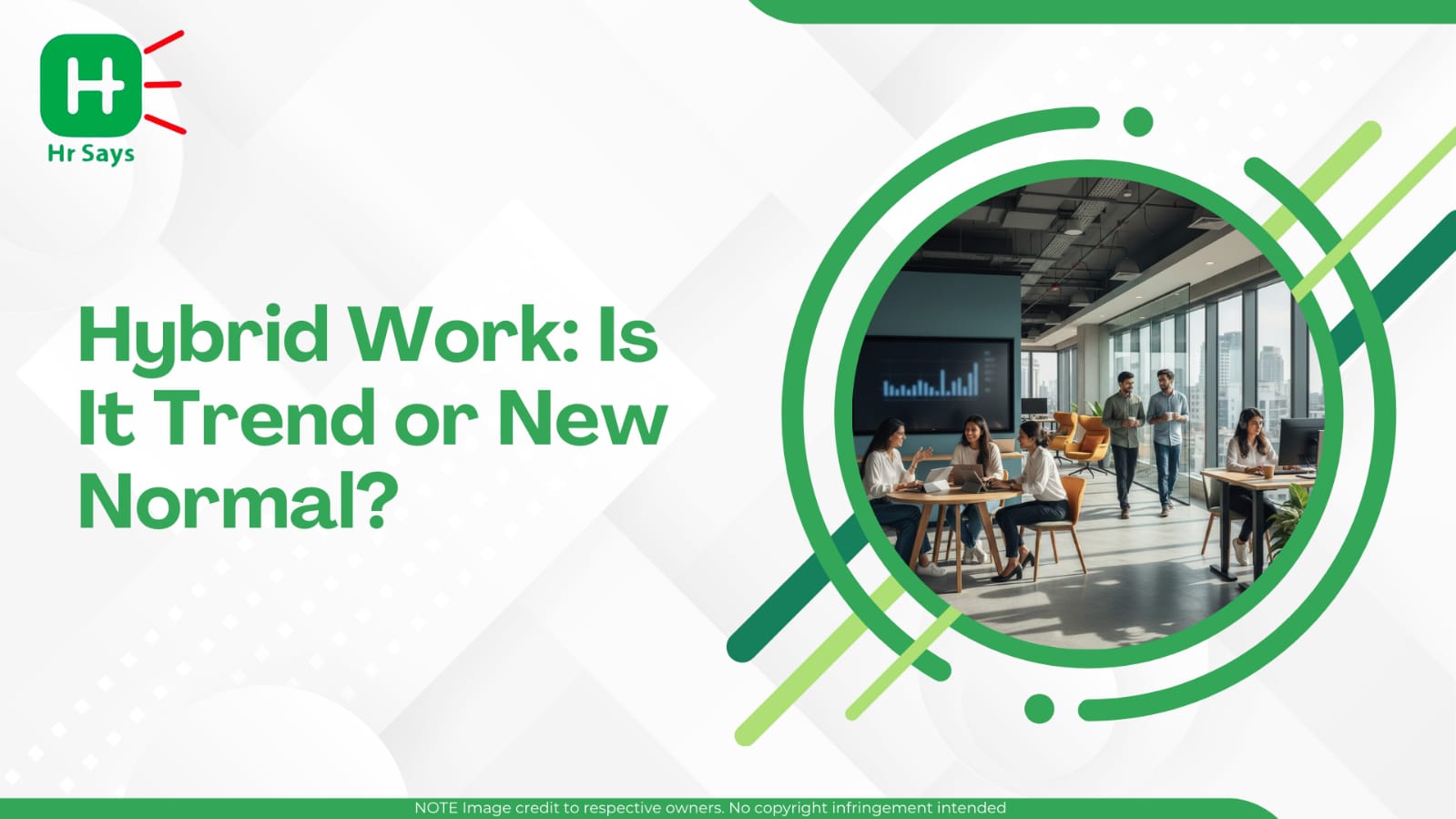
 Hybrid work blends remote and in office models to meet evolving workplace needs. This blog explores productivity, employee experience, and sustainability, offering a balanced view on why hybrid work is increasingly being treated as the new normal.




A silent change has been observed in offices, households and any other common working environment. Work is not a place anymore. Laptops are being taken at kitchen tables and conference rooms. The query reiterates mellow and monotonous, but nevertheless. Is hybrid work a dispositional adjustment or has a permanent shift become activated?
The Rise of the Hybrid Work Model
Hybrid work was initially regarded as the reaction to disruption. It has been developed to become a planned work model over the years. There has been a strike brought between home work and office attendance. To most organizations, flexibility has not been provided as an advantage, but a need.
This shift has been driven by multiple factors.
● Employee expectations have been redefined.
● Technology adoption has been accelerated.
● Productivity has been measured differently.
What was once considered unconventional is now being written into workplace policies. The hybrid work model is being positioned as a middle path, neither fully remote nor fully traditional.
Productivity and Performance in a Hybrid Setup
Concerns around productivity were raised early. Output was expected to drop. Supervision was expected to weaken. Instead, a different reality was observed. Work has often been completed more efficiently when autonomy is allowed.
At the same time, challenges have been noted.
Communication Gaps
When teams are split across locations, clarity can be lost. Messages are delayed. Context is sometimes missed. These gaps are usually felt when processes are not redesigned for hybrid work.
Performance Measurement
Traditional performance metrics have been questioned. Time spent at a desk is no longer a reliable indicator. Focus has been shifted toward outcomes, deadlines, and quality of work.
Employee Experience and Work Life Balance
The employee experience has been reshaped in subtle ways. Commutes have been reduced. Personal routines have been respected. A better work life balance has been reported by many professionals.
However, boundaries have also been blurred. Workdays have been stretched. Availability has been assumed. Without clear expectations, flexibility can quietly turn into pressure.
To support employees effectively, the following elements are often emphasized.
● Clear communication norms
● Defined working hours
● Regular check ins without micromanagement
Is Hybrid Work Sustainable Long Term?
Sustainability depends less on location and more on intent. Hybrid work cannot be treated as an informal arrangement. Structure is required. Leadership alignment is required. Trust is required.
Organizations that invest in systems, culture, and people are more likely to see long term success. Those expecting hybrid work to manage itself often face disengagement and inconsistency.
The future of work is being shaped by these decisions, one policy at a time.
Conclusion
Hybrid work does not appear to be a passing trend. It reflects a broader change in how work is valued and performed. While challenges remain, the model continues to evolve. With thoughtful execution, it is being positioned as a lasting part of modern work culture.