 Thursday, November 19, 2026
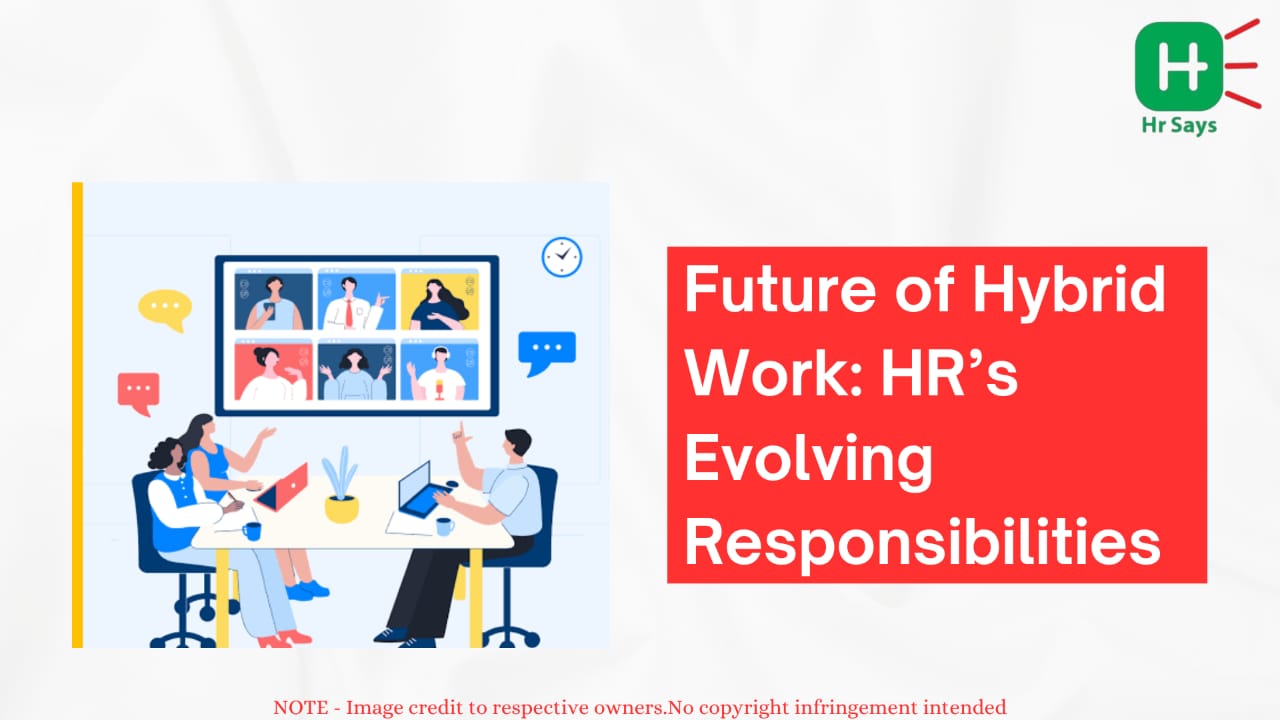
 Hybrid work has redefined the modern workplace. HR’s evolving role lies in balancing technology, flexibility, and culture to keep employees engaged and connected in both remote and physical environments. The future belongs to adaptable, human-centered HR strategies.





What can we expect when creating a workplace that did not fit inside office walls anymore? The hybrid work model has transformed how organizations operate and requires a total overhaul in terms of leadership and technology as well as employee engagement. With this change in play, the HR will be at the heart of it all.
The Changing Work Landscape
Working hybrid is no longer a temporized measure. It has already established itself in the contemporary work place. The logistics between remote and in-office arrangements are influencing the attraction, maintenance, and utilization of talent by companies. The professionals of HR are now assuming the control of not only of people, but also of experiences that are no longer physical but are virtual as well as physical bridges between two worlds.
No longer does the HR act as an administrative body, rather its responsibilities have shifted to being strategic in terms of revising the policies of the workplace as well as engineering schedules that are flexible. It is concerned with inclusiveness, productivity, and mental health in every setting. It is the process of making all the workers feel included, regardless of them working at home or present in the meetings.
Redefining Employee Engagement
Keeping employees engaged in a hybrid setup isn’t just about video calls or online team-building activities. It’s about building a culture that thrives on trust and transparency. HR leaders are finding creative ways to keep morale high and communication open.
Some approaches include:
● Encouraging frequent check-ins and feedback loops
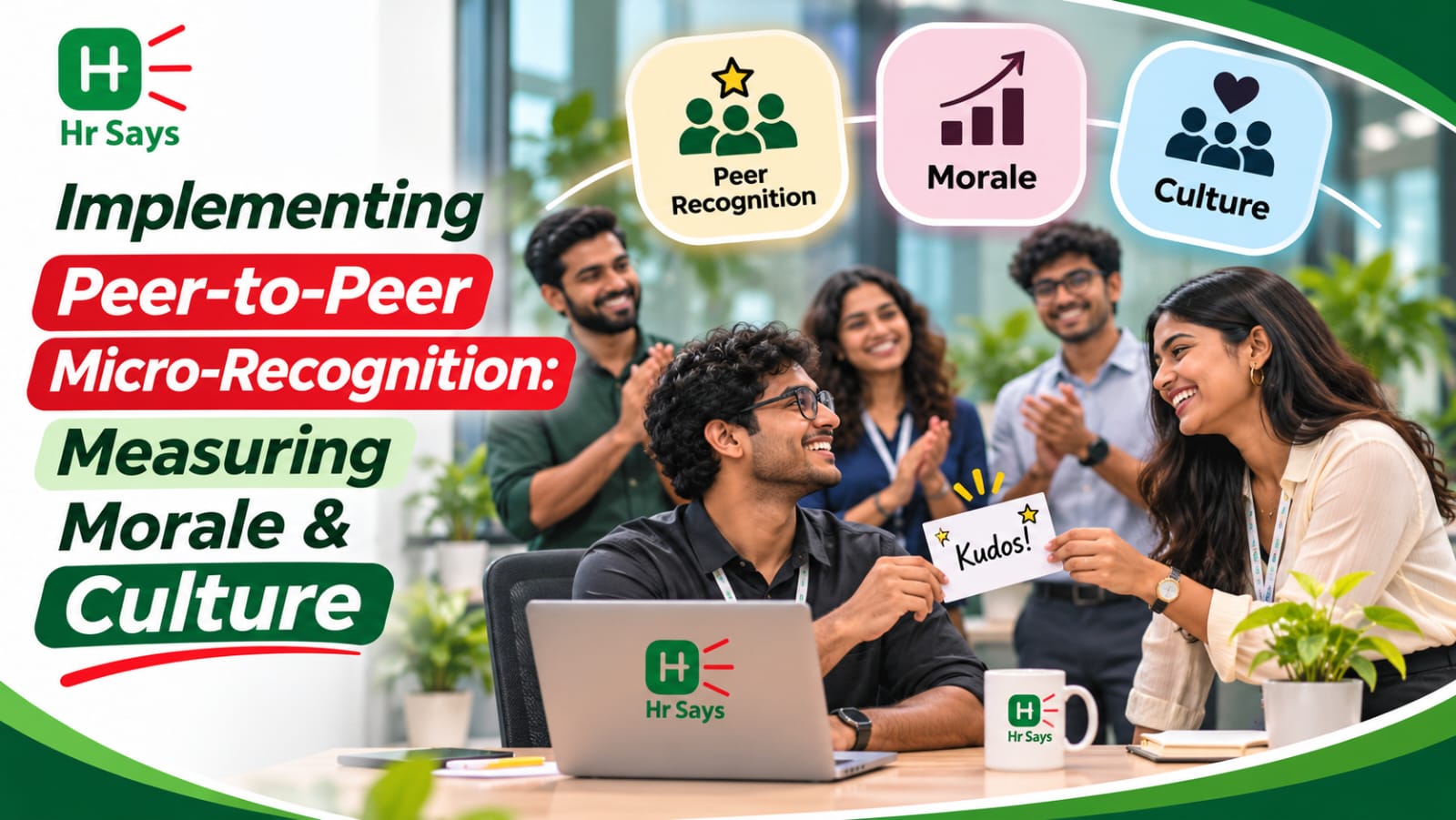
● Creating virtual recognition platforms
● Supporting flexible working hours and personalized growth paths
By doing so, HR helps employees stay motivated and valued even when they’re miles apart.
Technology as the Backbone
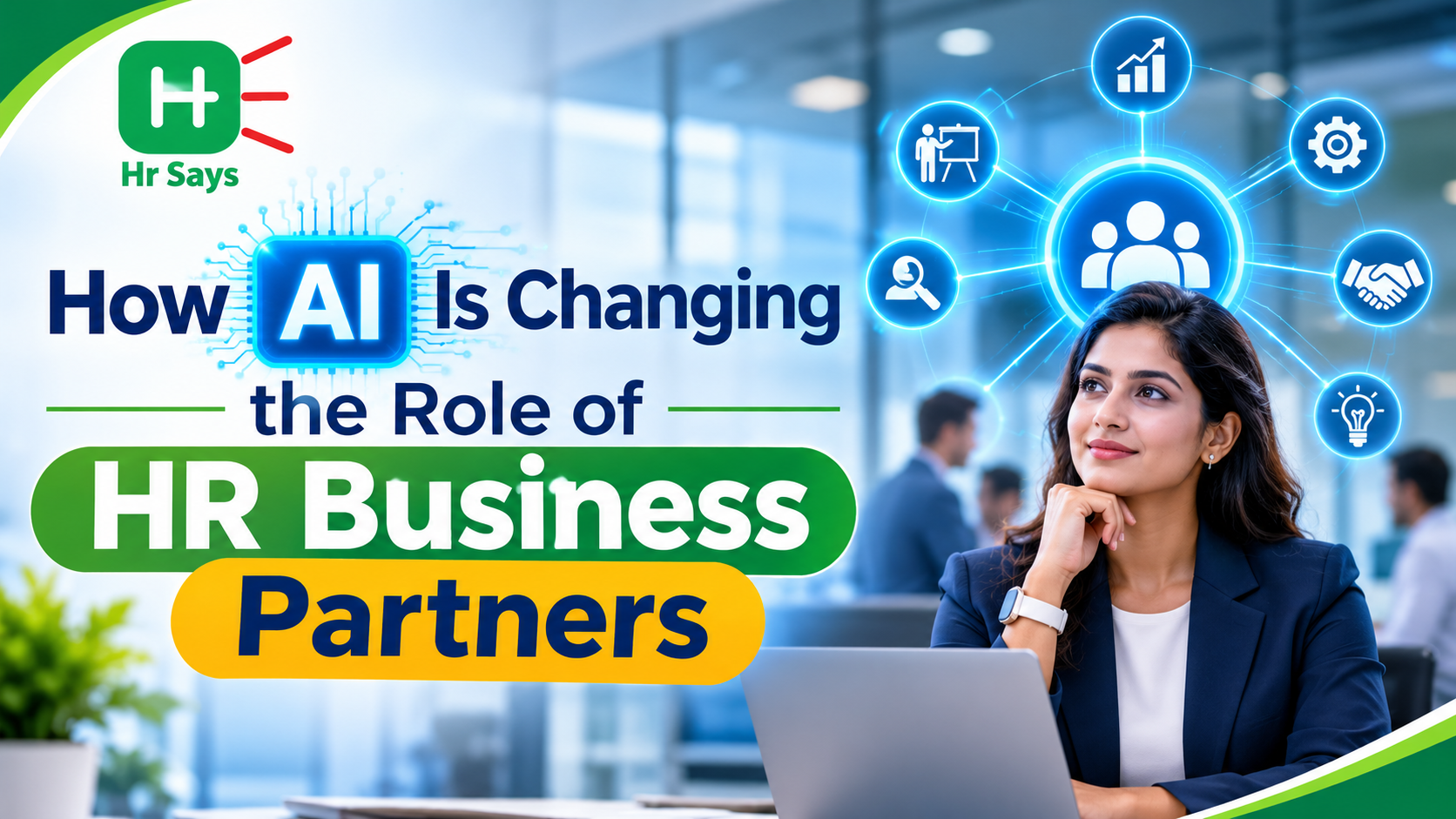
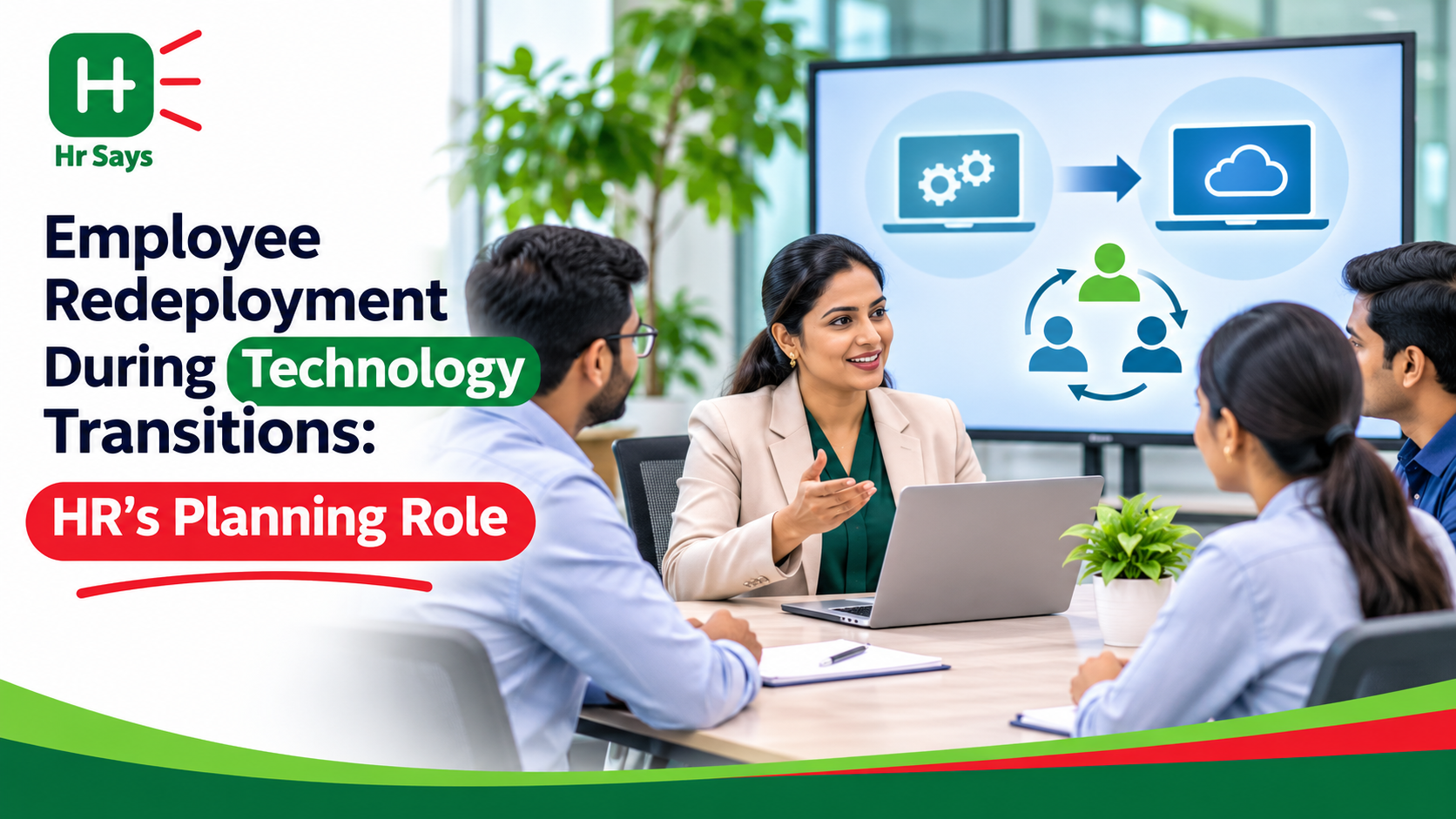
Technology has become the heartbeat of hybrid work. From cloud-based HR systems to virtual onboarding tools, the digital transformation of HR is unavoidable. Automation is simplifying routine tasks, while data analytics offers real-time insights into performance and engagement trends.
HR teams now rely on digital tools to monitor productivity, assess skill gaps, and even predict workforce needs. The future points to AI-powered recruitment, advanced analytics, and continuous digital learning as standard HR functions. Yet, the challenge lies in balancing automation with the human touch that defines good leadership.
Building a Culture of Flexibility and Trust
Hybrid work thrives on flexibility. But flexibility means different things to different people. For HR, this means crafting policies that respect diversity, equity, and inclusion while maintaining consistency across the organization.
Key focus areas include:
● Transparent communication channels
● Fair performance evaluation systems
● Equal growth opportunities for remote and on-site employees
By promoting a culture of accountability and empathy, HR ensures that hybrid work remains sustainable and human-centered.
The Road Ahead
The hybrid work model is here to stay. But it will keep evolving as employee expectations and business realities change. HR will continue to be the guiding force—adapting policies, introducing new technologies, and maintaining balance in a constantly shifting landscape.
The future of hybrid work depends on how well HR integrates strategy, technology, and empathy to shape workplaces that are both efficient and fulfilling.