 Saturday, October 24, 2026
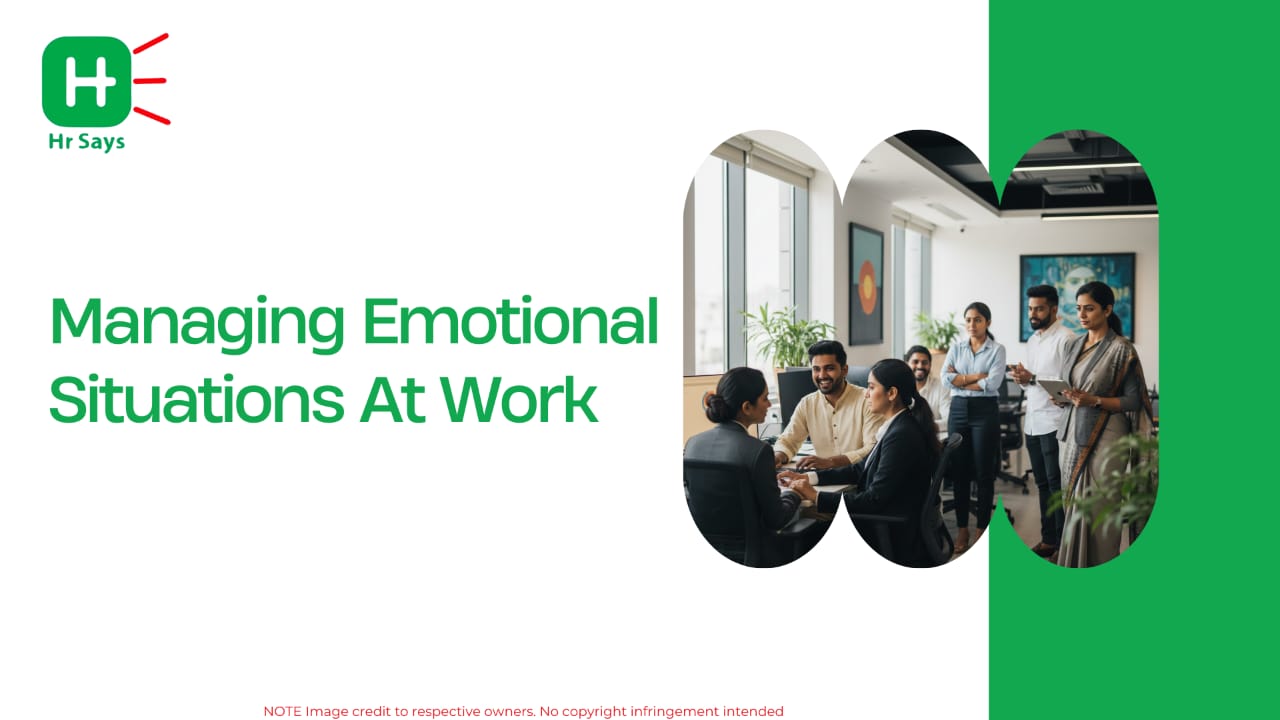
 Managing emotional situations at work requires awareness, restraint, and practical strategies.
When emotions are handled thoughtfully, communication improves, relationships strengthen,
and long term professional growth is supported without emotional burnout.
Managing emotional situations at work requires awareness, restraint, and practical strategies.
When emotions are handled thoughtfully, communication improves, relationships strengthen,
and long term professional growth is supported without emotional burnout.




Work places are hardly tasks and goals. They are stuffed with individuals, anticipations, stress and pressures, and half-feeling emotions. There is frustration, not expressing disappointment, or tension manifesting itself in dialogues at one point. Those situations, which are done, usually define careers better than performance statistics any time.
Understanding Emotional Situations In The Workplace
The discussed cases of emotional situations in the workplace are typically formed through the clashing of stress or miscommunication and expectations. Deadlines pile up. Feedback feels personal. Silence is misread. With time, emotions are brought into the meetings, emails, and decisions.
Even in most environments of professional life, feelings are anticipated to remain suppressed. They however, tend to come out indirectly in form of tone, withdrawal or conflict. In the absence of emotional intelligence in the workplace, minor problems are left unattended and they eventually develop into a feeling of discomfort.
Common Triggers That Lead To Emotional Reactions
● High workload and burnout
● Unclear roles or sudden changes
● Lack of recognition or feedback
● Interpersonal conflicts
● Fear of failure or job insecurity
These triggers are rarely dramatic. They are subtle and frequent, which makes them easy to ignore until damage is already done.
Why Emotional Management Matters More Than Ever
Modern workplaces are fast paced and deeply connected. One emotionally charged reaction can ripple across teams. Trust can be weakened. Collaboration can be slowed. Professional reputation can be quietly shaped.
When emotions are managed well, clarity is preserved. When they are not, productivity is affected and relationships are strained. Emotional regulation at work is no longer a soft skill. It is a survival skill.
Practical Ways To Manage Emotional Situations
Emotional control is not about suppression. It is about awareness and response. The goal is not to feel less, but to react better.
Pause Before Responding
In emotionally intense moments, immediate reactions are often driven by instinct, not reason. A pause allows perspective to return. Even a few seconds can change the outcome of a conversation.
Separate Emotion From Message
Feedback or conflict often carries both facts and feelings. When emotions are acknowledged internally, the actual message becomes easier to process without defensiveness.
Use Neutral Language
Words shape perception. Neutral, clear language helps emotional situations stay professional. Accusatory phrases are best avoided. Calm wording creates space for resolution.
Set Healthy Emotional Boundaries
Not every emotion at work needs to be absorbed. Professional boundaries protect mental well being and reduce emotional exhaustion. Responsibility for others’ feelings does not need to be carried alone.
Seek Constructive Support
Difficult emotions should not always be handled in isolation. Conversations with mentors, managers, or trusted colleagues can bring clarity. Support systems exist for a reason.
Building Emotional Resilience Over Time
Emotional resilience at work is built slowly. It grows through self awareness, reflection, and consistent practice. Patterns start to become visible. Triggers are recognised earlier. Responses become steadier. Growth is rarely loud. It often shows up as calm under pressure, thoughtful communication, and the ability to move forward without resentment.
Conclusion
Emotional situations at work are unavoidable, but damage is not. When emotions are understood, acknowledged, and managed with intention, workplaces become steadier and more human. Progress is made not by avoiding emotion, but by handling it with quiet strength.