Sunday, September 20, 2026
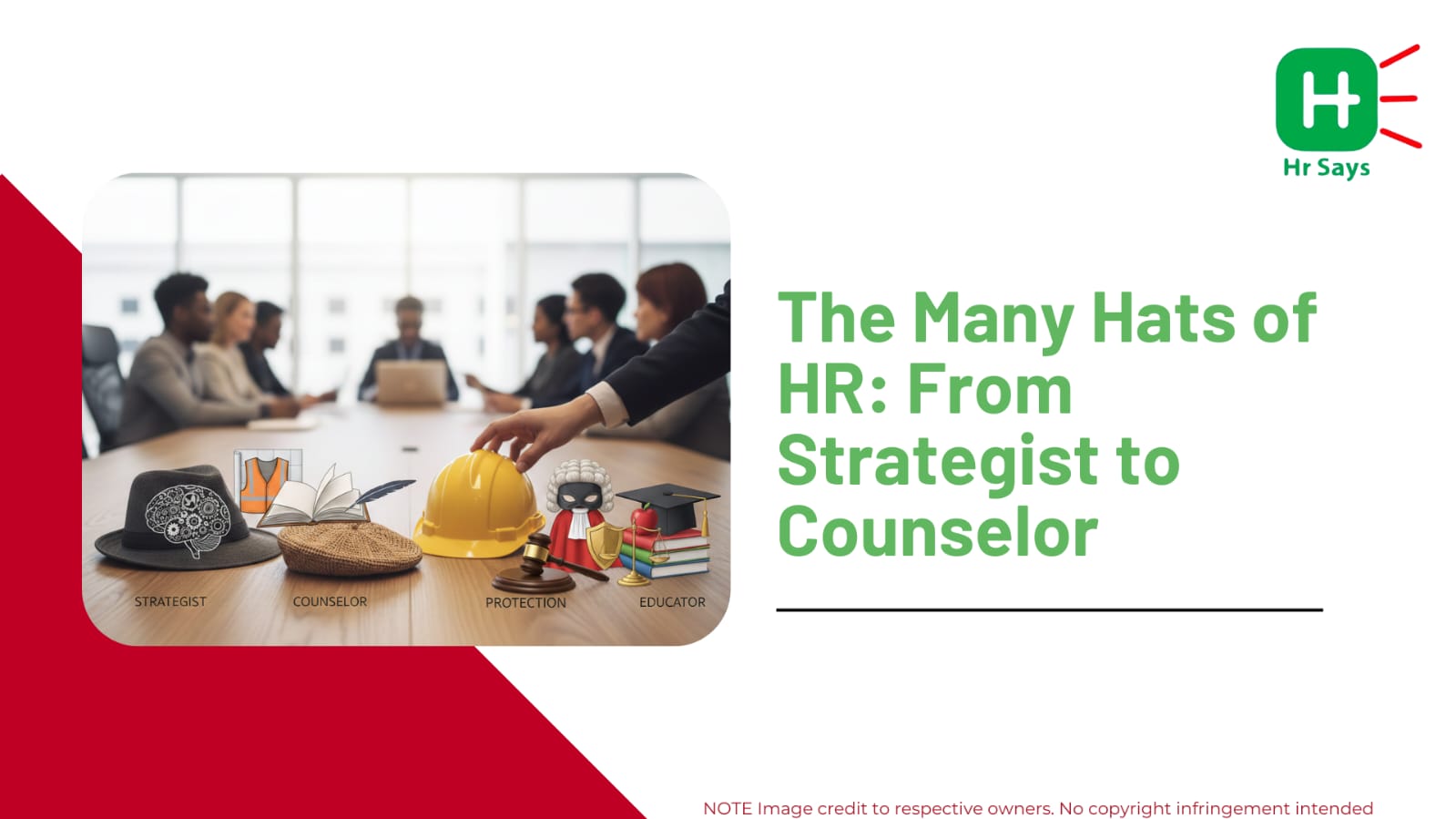
 This blog explores the diverse roles of HR as strategist, culture builder, counselor, and change driver. It highlights key responsibilities, employee centric practices, and organisational impact in a clear, simple, practical tone.




In the contemporary workplaces, human resources has ceased being a support aspect to a key cornerstone. The role is broad, diffuse, and can be a subjective one. HR professionals deal with people, culture and strategy, in such a way that it influences the growth of companies, as well as the sense of employees on their daily basis.
The Strategist
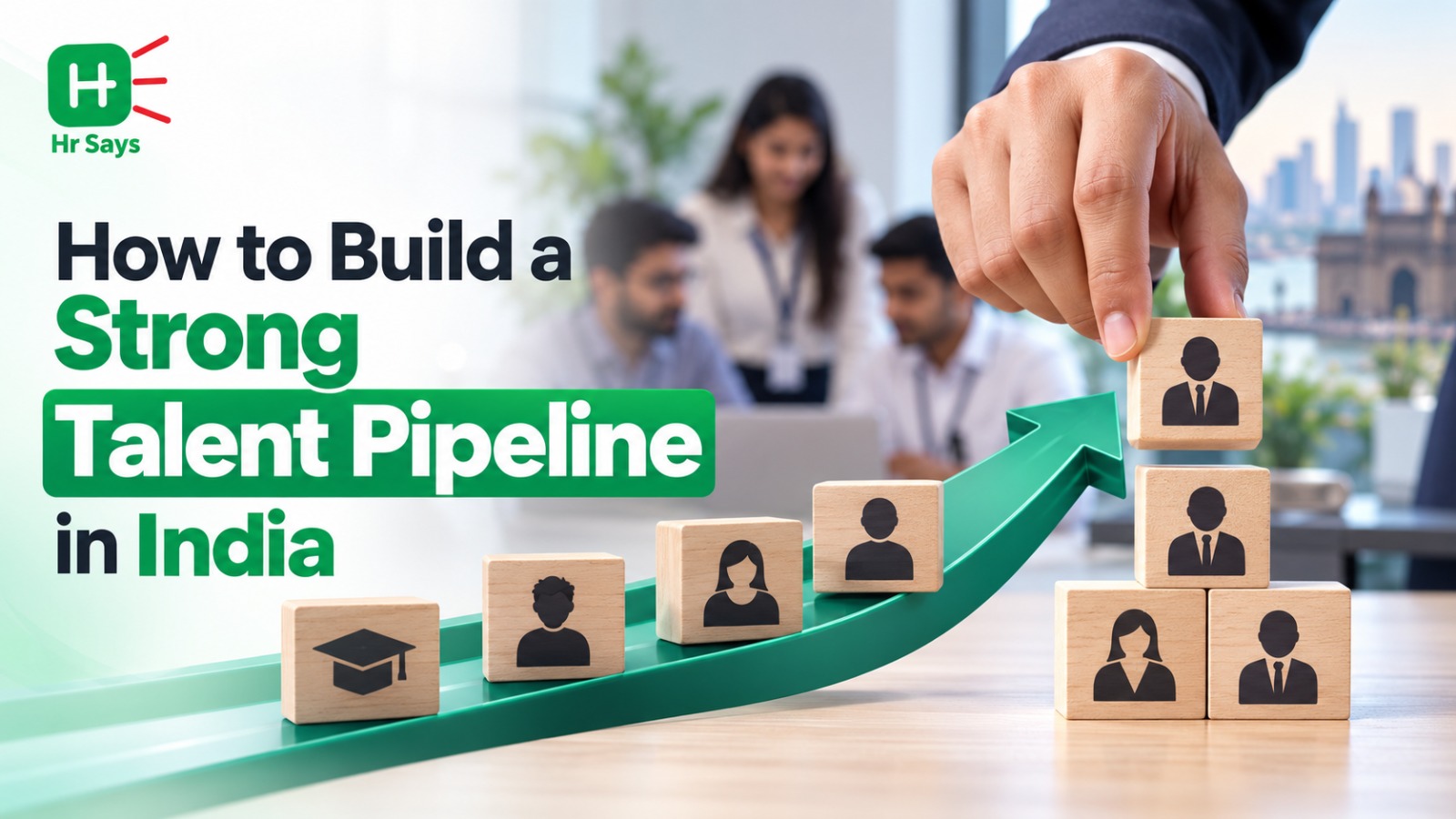
HR strategy is something that usually portrays itself as the silent workhorse of an organisation. The core of this role is the workforce planning, talent acquisition, and compliance. The aim stays simple. Make people fit to long term goals in the business.
Workforce Planning
HR teams analyse skills, trends, and organisational needs. Decisions become data driven. Recruitment channels, succession planning, and capacity forecasting flow from this.
Talent Development
Growth becomes steady when people learn with purpose. HR identifies gaps, builds training programs, and supports internal mobility. Key focus areas often include:
● Skill gap mapping
● Leadership development
● Performance review systems
The Culture Builder
Work culture grows through small actions. HR plays a core role in creating trust, clarity, and behavioural standards. This often shapes employer branding and employee experience.
Employee Engagement
Feedback sessions, surveys, and recognition systems guide engagement. When done well, they help teams feel seen and valued.
Diversity and Inclusion
HR ensures hiring practices, internal policies, and daily operations support fairness and equal opportunity. Inclusive workspaces help teams collaborate with confidence.
The Counselor
Many employees confide in HR when they feel uncertain or unheard. This role involves patience, empathy, and quiet listening. The focus remains on resolving issues with fairness.
Conflict Resolution
Disputes arise in every workplace. HR acts as a neutral guide. Problems get examined. Solutions stay practical. Confidentiality builds trust.
Employee Wellbeing
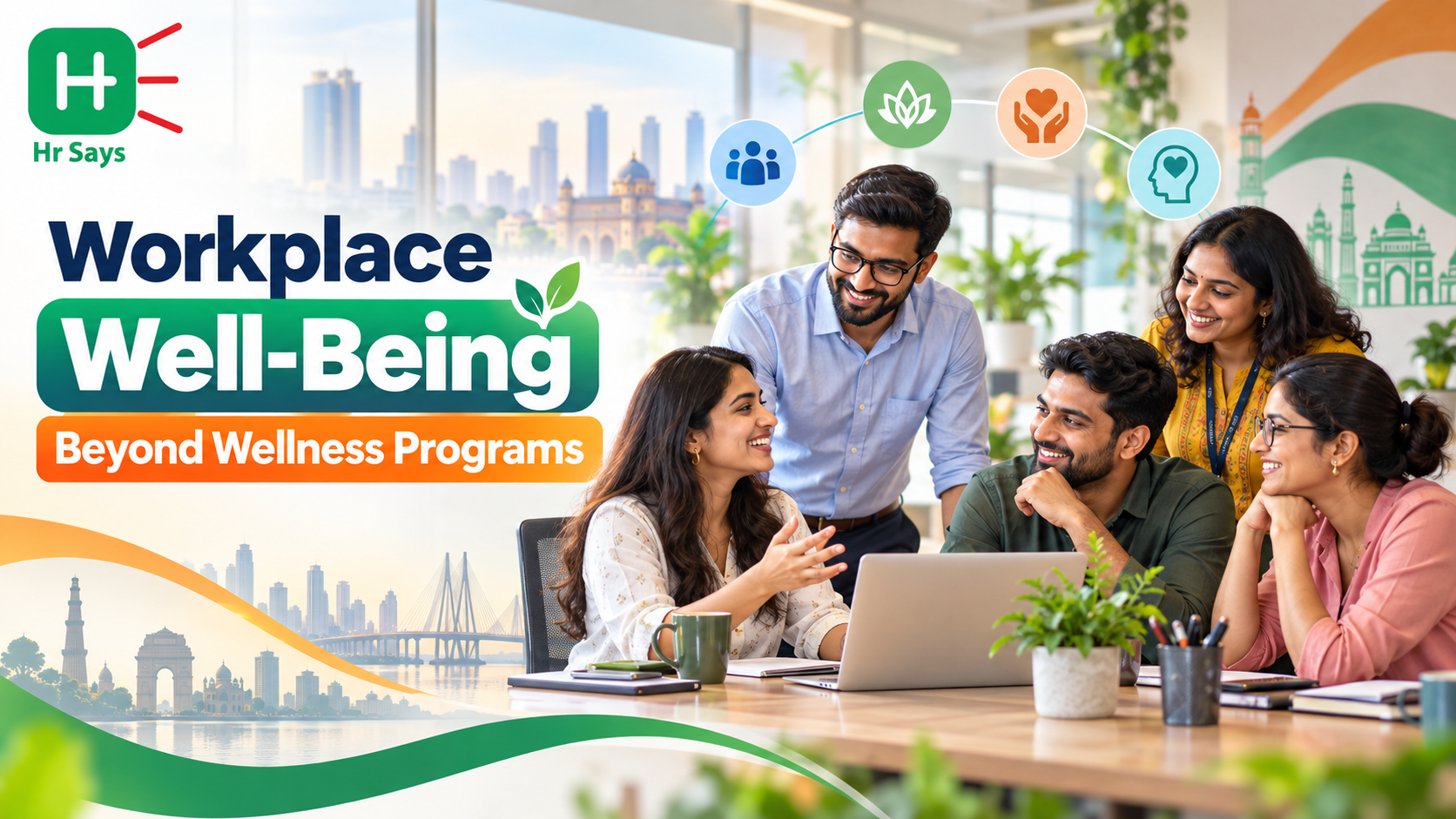
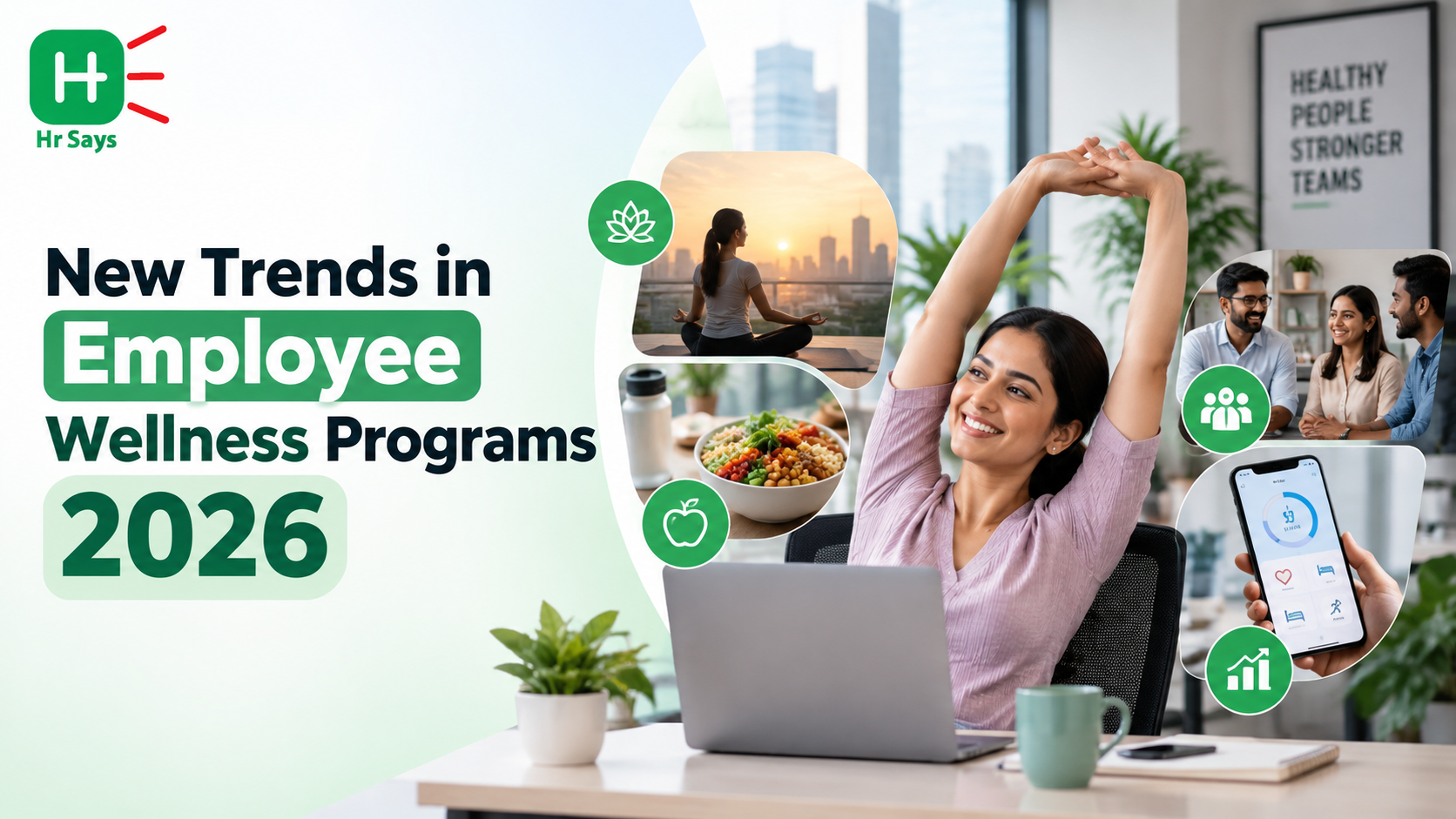
Support systems matter. HR teams guide employees to wellness resources, mental health support, and manageable workloads. Common wellbeing efforts include:
● Stress management support
● Clarity on policies
● Safe reporting channels
The Change Driver
Organisations move through shifts. HR helps teams adjust without chaos. The role connects leadership vision with real people.
Change Communication
Clarity in communication prevents uncertainty. HR shares the what, why, and how of change in ways employees understand.
Technology Adoption
Digital tools reshape HR processes. HR guides onboarding of HR tech, automations, and employee self service platforms to ensure consistent adoption.
Conclusion
HR wears many hats. The work spans strategy, culture, counselling, and change management. Each hat carries weight. The role grows with every shift in workplace trends, making HR a vital force in today’s evolving landscape.