 Saturday, October 24, 2026
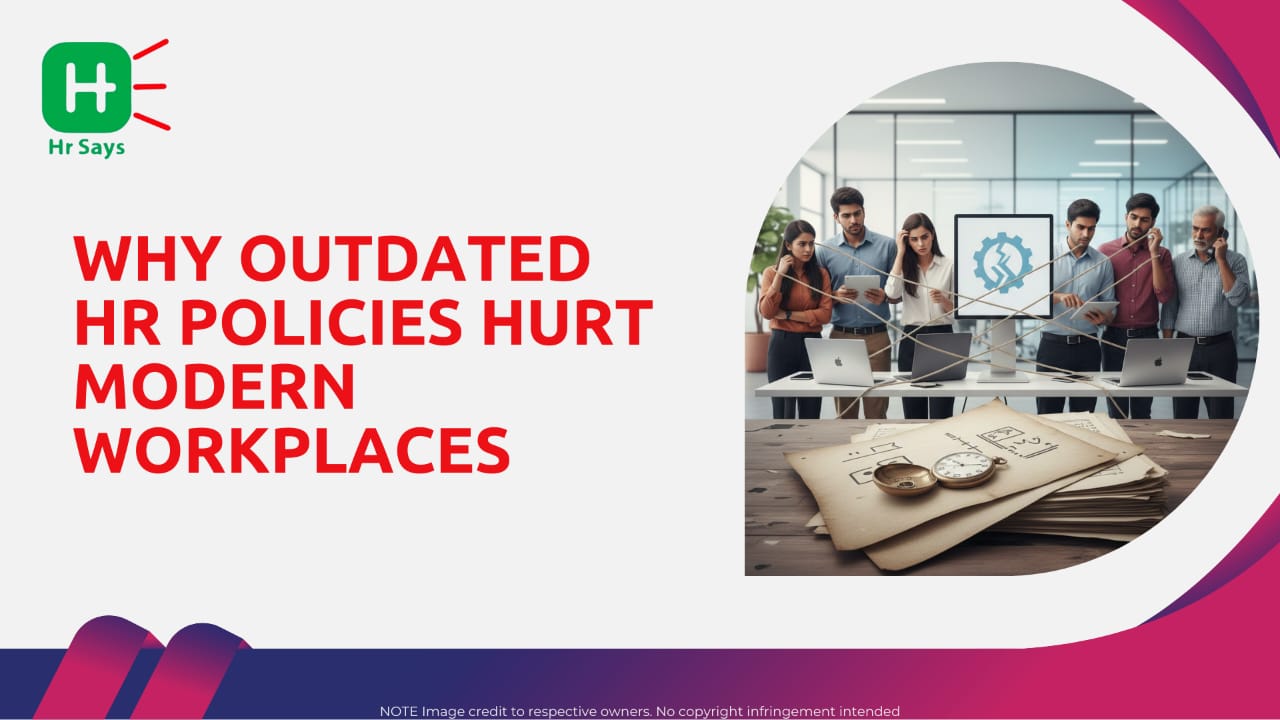
 Outdated HR policies quietly reduce productivity, engagement, compliance, and innovation.
When rules no longer reflect modern work realities, employees disengage and growth slows.
Updating policies helps organisations remain relevant, trusted, and people focused.
Outdated HR policies quietly reduce productivity, engagement, compliance, and innovation.
When rules no longer reflect modern work realities, employees disengage and growth slows.
Updating policies helps organisations remain relevant, trusted, and people focused.




The contemporary workplaces are becoming more dynamic than the policies can match. Technology has changed the manner in which work is performed. The anticipations have changed unobtrusively. However, most organisations continue to work on regulations that were drafted many years ago. The dislocation is experienced every day without necessarily being referred to.
When Policies Lag Behind People
The obsolete HR policies are usually fashioned with a noble intention. They are abandoned after some time. What was considered to bring order is becoming a point of conflict. Systems are rigid and employees should adapt.
They would typically generate a feeling of disconnection. The contemporary workers appreciate flexible working conditions, independence, and openness. Policies that were drafted many decades ago rarely feature these needs. They, instead place more emphasis on control as opposed to trust.
Productivity Is Silently Affected
Work output is not always reduced loudly. It declines in subtle ways. When processes feel outdated, energy is drained before work even begins.
Rigid attendance rules, unnecessary approval layers, and manual workflows slow momentum. Time is spent navigating rules rather than solving problems. Efficiency is promised, but frustration is delivered.
Common productivity barriers include:
● Fixed working hours in roles suited for flexible schedules
● Manual leave and performance tracking
● Approval-heavy decision structures
● Limited scope for remote or hybrid work
Employee Engagement Begins to Fade
Engagement is not lost overnight. It erodes slowly. When employees feel unheard, motivation is reduced. Outdated HR frameworks often ignore mental health, work life balance, and inclusive practices.
Policies that do not reflect real employee experiences create emotional distance. People show up physically but disengage mentally. Loyalty weakens. Retention becomes harder to maintain.
Compliance Risks Increase Over Time
Laws change. Workforce demographics evolve. Technology introduces new risks. When HR policies are not updated, compliance gaps are created unintentionally.
Data privacy, workplace harassment, diversity standards, and labour laws demand regular policy reviews. Without updates, organisations remain exposed. Risk is carried quietly until it becomes costly.
Innovation Gets Discouraged
Innovation thrives in flexible environments. Outdated policies discourage experimentation by design. When rules are rigid, ideas are filtered before being expressed.
Employees stop suggesting improvements when they believe nothing will change. Creativity is suppressed, not because of lack of talent, but due to lack of space.
Employer Brand Takes a Hit
Modern candidates research deeply. Workplace culture is evaluated before applications are sent. Outdated HR policies signal resistance to change.
Talented professionals prefer organisations that reflect modern values. When policies feel old, assumptions are made about leadership mindset. Opportunities are missed before conversations even begin.
Moving Forward Requires Intent
Policies are reflections of organisational values. When they are updated thoughtfully, trust is rebuilt. Change does not require complete overhauls. It requires listening, reviewing, and adjusting consistently.
HR policies should support people, not restrict them. When alignment is restored, workplaces feel lighter, more human, and more sustainable.