Sunday, September 20, 2026

 Employee retention in 2025 is driven by emotional connection, growth opportunities, and
wellbeing. Companies that emphasize empathy, purpose, and leadership psychology achieve
stronger engagement and loyalty, ensuring sustainable workforce stability in an evolving
professional landscape.
Employee retention in 2025 is driven by emotional connection, growth opportunities, and
wellbeing. Companies that emphasize empathy, purpose, and leadership psychology achieve
stronger engagement and loyalty, ensuring sustainable workforce stability in an evolving
professional landscape.




Why do other workers maintain with a company and the rest exit despite the fact that the other place has a higher pay? It all depends on the way they feel, what they are motivated to, and the way they will perceive their work. Companies in 2025 are getting to know that happy workers require much more than additional money.
Shifting Mindsets in the Modern Workplace
Work has changed. Employees do not work just because of money. They remain when they have a reason, opportunities to develop, and consider themselves a part of the whole. This change is altering the way the HR considers retaining individuals in the job by keeping them interested. Nowadays, with the hybrid working environment, automation, and increased attention towards mental health being all the buzz, core leadership should reconsider the very concept of loyalty.
The Emotional Connection
Retention often begins with an emotional connection. When employees feel valued and heard, they develop a stronger sense of attachment to the company. Recognition, empathy, and trust now hold as much weight as salary packages. The result? A deeper bond that keeps employees engaged even through challenges.
● Transparent communication fosters trust.
● Empathetic leadership builds loyalty.
● Recognition satisfies psychological needs for belonging.
The Role of Motivation and Growth
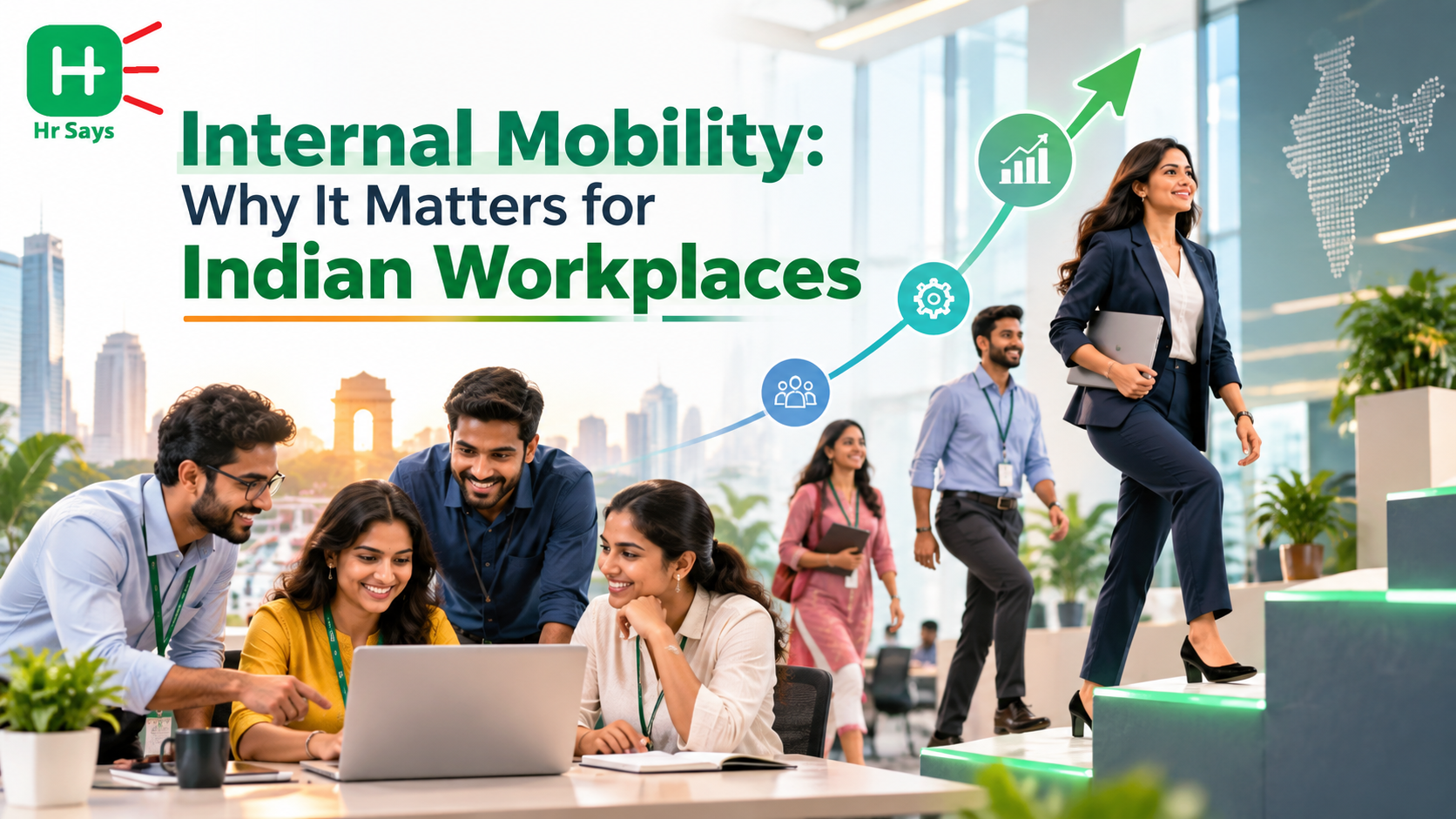
Every individual seeks progress. In 2025, career development opportunities, upskilling programs, and internal mobility are becoming essential tools to reduce turnover. Employees who see a clear path forward are less likely to look elsewhere. The sense of achievement, more than external praise, keeps motivation alive.
When organizations invest in personal and professional growth, they indirectly build long-term retention. It’s not only about offering training—it’s about ensuring people feel their skills are evolving with the times.
Work-Life Balance and Wellbeing
The pandemic redefined priorities. People realized that mental health, flexible work schedules, and wellbeing programs are not perks but necessities. A healthy work-life balance has now become a key retention factor. Employees prefer organizations that respect personal time and promote psychological safety.
Workplaces with supportive cultures tend to experience higher retention rates because employees associate their job with stability and emotional comfort rather than burnout and stress.
Leadership Psychology
The behavior of leaders shapes the emotional tone of the organization. A supportive manager can inspire commitment, while a disengaged one can trigger resignations. The psychology of leadership plays a huge role in how employees perceive their value. Effective leaders:
● Offer feedback that empowers rather than criticizes.
● Encourage autonomy to boost confidence.
● Create inclusive spaces where voices matter.
Adapting Retention Strategies in 2025
The modern workforce is more informed and selective. Retaining top talent now requires a balance of emotional intelligence and strategic planning. HR leaders are using employee satisfaction surveys, data-driven insights, and predictive analytics to understand attrition trends. However, numbers alone don’t solve the issue—human connection does.
Organizations focusing on empathy, flexibility, and learning are likely to thrive in 2025. Employee retention today is not about locking people in—it’s about creating environments they don’t want to leave.
Conclusion
In 2025, the key to retention lies in understanding human psychology rather than relying solely on perks or policies. Emotional connection, purpose, and growth are now the pillars of commitment. When organizations respect both the mind and the heart of their people, they don’t just retain employees—they build loyal advocates for their culture.